

















Why Choose Gluten-Free Desserts for the Holidays?
Understanding Gluten Intolerance and Celiac Disease
The holiday season is a time for family gatherings and celebrations where food plays a central role. For those with gluten intolerance or celiac disease, enjoying festive desserts can sometimes be challenging. Gluten intolerance refers to the inability to digest gluten, a protein found in wheat, barley, and rye. Celiac disease is an autoimmune disorder where gluten triggers damage to the small intestine. These conditions require strict adherence to a gluten-free diet to avoid symptoms like stomach pain, fatigue, and nutritional deficiencies.
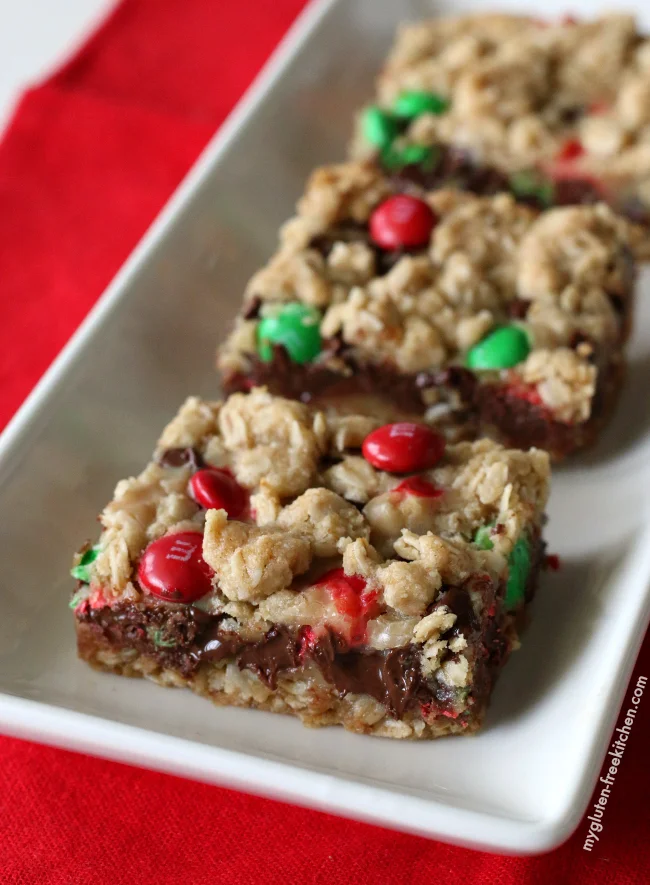
Recognizing the impact of gluten on health makes it essential to provide gluten-free options during the holidays. Offering desserts that are free from gluten ensures that everyone at the table can partake in the festive treats without worry. It also shows consideration and inclusiveness for family and friends who must avoid gluten for medical reasons.
Benefits of Gluten-Free Desserts for Everyone

While gluten-free baking primarily benefits those with gluten-related health conditions, it can also appeal to a wider audience. Many people find gluten-free desserts easier to digest and often appreciate the diverse flavors and textures that alternative flours bring. Additionally, gluten-free treats made with natural ingredients can be lower in processed components, providing a wholesome dessert experience for all.
Moreover, when holiday desserts are crafted to be naturally gluten-free, it reduces the anxiety around cross-contamination and health risks, creating a more relaxed and enjoyable environment. Whether for health, taste, or diet variety, gluten-free holiday desserts can enhance the festive experience for the entire family.
Top Ingredients for Delicious Gluten-Free Holiday Treats
Gluten-Free Flours and Alternatives
A critical factor in making delightful gluten-free desserts is selecting the right flours and flour blends. Almond flour, coconut flour, and rice flour are popular alternatives that add unique textures and flavors. Each flour behaves differently, so combining them or using a reputable gluten-free flour blend helps mimic the properties of wheat flour. For example, almond flour brings moisture and density, while rice flour offers a lighter crumb.
Gluten-free baking often benefits from the addition of binders like xanthan gum or guar gum, which provide structure and elasticity. Some traditional recipes can be adapted by substituting with gluten-free alternatives, such as using gluten-free Chex cereal for pumpkin pie crusts or gluten-free oats in apple crisps to achieve that familiar comfort and texture without gluten.
Natural Sweeteners and Flavor Enhancers
Using natural sweeteners elevates the taste and nutritional profile of holiday desserts. Maple syrup, honey, and coconut sugar can replace refined sugars to offer depth and balanced sweetness. Incorporating warm spices such as cinnamon, nutmeg, and ginger enhances the seasonal flavors that everyone loves during the holidays.
Flavor enhancers like vanilla extract, citrus zest, and candied fruit lend authenticity to traditional holiday cakes and cookies. These ingredients work well with gluten-free bases, ensuring the desserts are not only safe but also rich in taste. For instance, a gluten-free fruit cake with warm spices and candied fruit replicates the classic holiday flavor with gluten-free benefits.
Simple and Festive Gluten-Free Holiday Dessert Recipes
Classic Pumpkin Pie with a Gluten-Free Twist
Creating a gluten-free pumpkin pie starts with the crust. Instead of traditional wheat crust, try using gluten-free pie crust or crushed gluten-free Chex cereal combined with butter for a flaky base. The pumpkin filling remains rich with spices like cinnamon and cloves, offering that nostalgic holiday flavor. This simple substitution ensures the pie is enjoyable for those avoiding gluten while maintaining a familiar taste and texture.
Chocolate Peppermint Brownies for Chocolate Lovers
For chocolate enthusiasts looking for festive treats, gluten-free chocolate peppermint brownies provide a perfect dessert option. Using a gluten-free flour blend in the batter keeps the brownies moist and fudgy. Adding peppermint extract or crushed candy canes gives a refreshing holiday twist. These brownies offer a rich, chocolaty experience, making them irresistible even to those without gluten restrictions.
Cinnamon-Spiced Apple Crisp with Gluten-Free Oats
Apple crisp is another holiday staple that is easily adapted for gluten-free diets. The secret lies in using gluten-free oats for the topping, which adds a delightful crunch. Spices such as cinnamon and nutmeg are combined with tender baked apples, producing warming flavors that resonate with the season. This dessert is straightforward to prepare and offers a comforting end to any holiday meal.
Tips for Baking Gluten-Free Desserts That Taste Amazing
How to Achieve Perfect Texture and Moisture
One of the biggest challenges in gluten-free baking is achieving the right texture and moisture. Gluten acts as a binder in traditional baking, so replacing it requires attention to detail. Incorporating ingredients like eggs, yogurt, or applesauce can improve moisture retention. Using a blend of gluten-free flours rather than a single type often leads to a better crumb and consistency.
Allowing the batter to rest before baking can also help hydrate the flours, producing a more cohesive texture. Additionally, carefully monitoring baking times ensures the desserts don’t dry out or remain undercooked. Practicing these steps will result in tender, flavorful desserts that rival their gluten-containing counterparts.
Common Mistakes to Avoid When Baking Gluten-Free
Beginners in gluten-free baking often make mistakes such as using only one type of gluten-free flour or skipping binders, which can lead to dense or crumbly results. Another common pitfall is overmixing the batter, which can affect the final texture. It’s important to follow recipes designed for gluten-free baking and pay close attention to ingredient measures.
Avoiding cross-contamination is also crucial. Using clean utensils, separate baking surfaces, and storing gluten-free ingredients separately can prevent inadvertent gluten exposure. By understanding and avoiding these mistakes, bakers can ensure their holiday desserts are both delicious and safe for everyone.
Celebrating Together: Making Desserts for All Diets
Inclusive Holiday Treats That Everyone Will Enjoy
Holiday desserts that cater to multiple dietary needs foster a spirit of inclusivity and joy. Gluten-free recipes can often be adapted to also be dairy-free or vegan, making them accessible to even more guests. For example, gluten-free spritz cookies can be made dairy-free, and pumpkin pie crusts can incorporate grain-free ingredients to appeal to various preferences.
Creating treats like peanut butter blossoms with a Hershey’s Kiss or thumbprint cookies filled with jam offers traditional flavors with allergy-conscious modifications. Using naturally colored chocolates and festive sprinkles provides a visually appealing finish that delights all ages. The key is to focus on flavors and textures that everyone can enjoy without feeling limited.
How to Safely Prepare Gluten-Free Desserts in a Shared Kitchen
When baking in a shared kitchen, preventing gluten contamination is paramount. Start by thoroughly cleaning all surfaces, utensils, and bowls before beginning. Use dedicated racks and trays for gluten-free items during baking and cooling. Label gluten-free ingredients clearly and store them separately from gluten-containing products to avoid mistakes.
It’s also helpful to bake gluten-free desserts either before or after non-gluten-free items, reducing the chance of airborne flour crossing onto gluten-free treats. By implementing these safety measures, families can confidently share delicious holiday desserts that accommodate everyone’s needs, making celebrations truly inclusive and joyful.