



















Understanding the Role of Protein in Weight Loss
Why Protein is Essential for Fat Burning
Protein plays a fundamental role in supporting weight loss by increasing satiety, reducing appetite, and boosting metabolic rate. When you consume protein-rich foods or smoothies, your body requires more energy to digest and metabolize the protein, which helps burn calories. Furthermore, protein preserves lean muscle mass during calorie restriction, ensuring your metabolism remains active. This is crucial because muscle tissue burns more calories at rest compared to fat tissue. Incorporating protein into your diet, especially through smoothies, makes it easier to stay full longer and reduce unnecessary snacking.
Types of Protein Suitable for Smoothies
Not all proteins are created equal when it comes to smoothies. Common protein types include whey, casein, pea, soy, and hemp protein powders, each offering distinct benefits. Whey protein is quickly absorbed and ideal post-workout, while casein digests slowly, perfect for sustained energy. Plant-based proteins like pea and hemp are excellent options for vegans or those with dairy intolerances. Additionally, natural protein sources like Greek yogurt, silken tofu, and kefir can boost your smoothie’s protein content while adding creaminess and probiotics. Choosing the right protein type depends on dietary preferences and digestion needs.
Key Ingredients for High Protein Weight Loss Smoothies
Fruits and Vegetables That Boost Nutrition
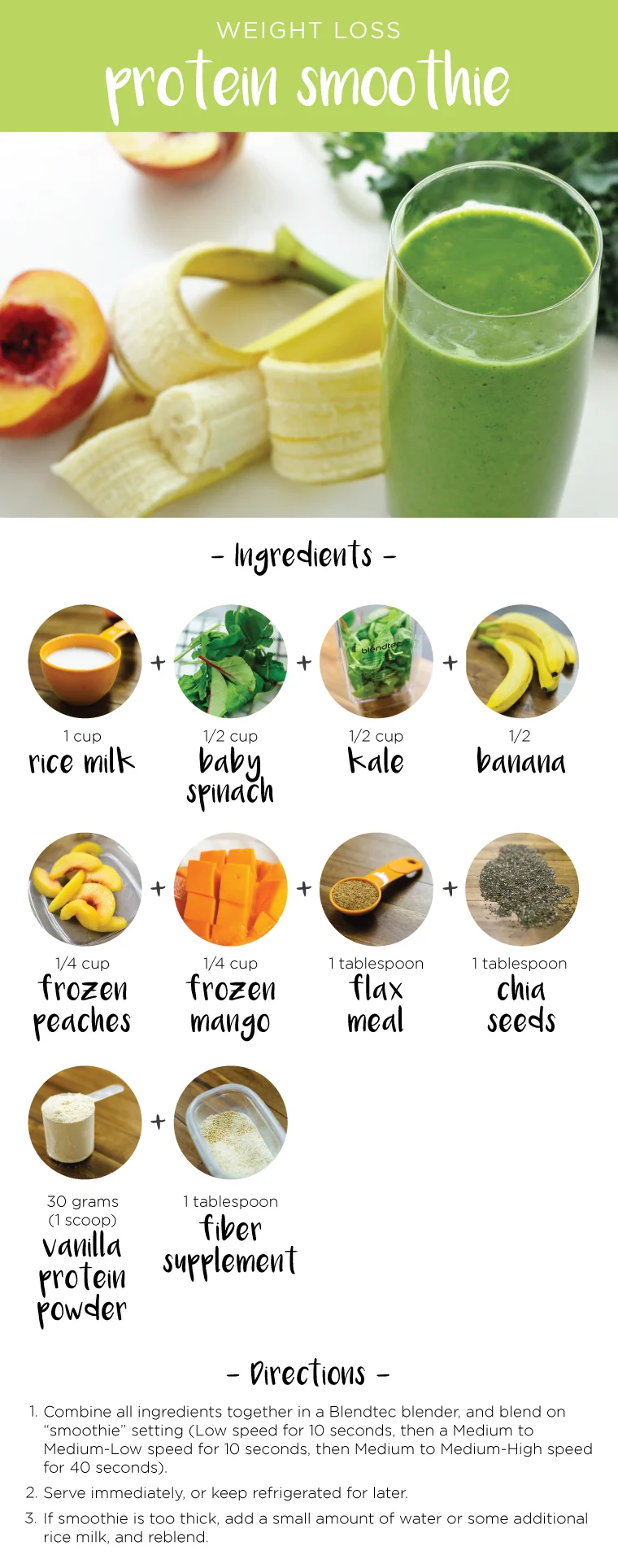
Fruits and vegetables not only add vibrant flavors and textures but also provide essential vitamins, minerals, and antioxidants to your smoothies. Sweet and tangy fruits like strawberries, peaches, and mangoes can balance the bitterness of leafy greens, making your smoothie more enjoyable. Frozen fruits are especially beneficial since they add coldness and thickness without needing extra ice. Adding vegetables such as spinach or even frozen cauliflower can increase fiber and nutrients without overpowering the taste. Beets can be blended in small amounts to impart a natural pink color and additional nutrients.
Best Protein Powders and Natural Sources
When selecting protein powders, aim for varieties that are low in added sugars and artificial ingredients. Unsweetened pea protein offers a plant-based option rich in protein and fiber, while whey protein remains a popular choice for its complete amino acid profile. Natural ingredients like Greek yogurt, kefir, and silken tofu not only contribute protein but also improve the creaminess and texture of your smoothie. Adding a scoop of collagen powder can further enhance protein content and support skin and joint health. Combining these powders with real whole food sources creates a nutrient-dense smoothie that supports weight loss and muscle maintenance.
Healthy Fats and Fiber Additions
Healthy fats play an important role by promoting satiety and helping your body absorb fat-soluble vitamins. Ingredients like peanut butter, almond butter, flaxseeds, and chia seeds add both fat and fiber to your smoothies. Fiber helps regulate digestion and keeps you feeling full longer. Adding a small amount of these fats balances flavors and texture, while contributing to your overall nutrient intake. Natural sweeteners such as maple syrup can be used sparingly in vegan smoothies to avoid added sugars, and incorporating probiotic-rich kefir further supports gut health.
Step-by-Step Guide to Crafting Your Smoothie
Measuring Protein Content Accurately
To create a smoothie that aids weight loss, aim to include around 40 grams of protein per serving. Start by checking the nutrition label on your protein powder to determine the scoop size equivalent to your protein goal. When using natural sources like yogurt or tofu, weigh the portions to calculate their protein contribution. Accurate measurement ensures your smoothie delivers enough protein to keep you feeling satiated and supports muscle preservation. Using tools like digital scales or nutrition apps can help maintain consistency in your recipes.
Balancing Macros for Optimal Results
While protein is a priority, balancing carbohydrates and fats is essential to optimize your smoothie for weight loss. Complex carbohydrates from fruits and vegetables provide energy without spiking blood sugar, while healthy fats promote fullness. Consider portion sizes carefully to keep calorie content in check; too many high-calorie ingredients can counteract your goals. Aim for a harmonious blend where protein, carbs, and fats complement each other, making your smoothie both nutritious and enjoyable.
Choosing Liquid Bases for Taste and Nutrition
The choice of liquid base significantly affects your smoothie’s texture and nutritional profile. Water or unsweetened almond milk are excellent low-calorie options that reduce overall calories compared to dairy milk. For those seeking creamier smoothies, kefir or Greek yogurt add both protein and probiotics. Unsweetened coconut beverage is a good alternative for vegan diets, providing a subtle tropical flavor. Adding ice cubes can give your smoothie a refreshing, frosty texture without altering the calorie count. Experimenting with different bases helps find the ideal taste and mouthfeel for your preferences.
Top 5 High Protein Smoothie Recipes for Weight Loss
Green Protein Power Smoothie
Start with a base of unsweetened almond milk, then blend in a scoop of pea protein powder, a handful of fresh spinach, a frozen banana to add natural sweetness, and a splash of kefir for probiotics. Add flaxseed for extra fiber and protein. This smoothie provides a balanced mix of nutrients to keep you energized and full.
Berry Blast with Greek Yogurt
Combine Greek yogurt with a mix of frozen strawberries, cherries, and peaches for a tangy and sweet flavor. Add a scoop of whey protein and a few ice cubes for thickness. This recipe packs antioxidants, protein, and probiotics, making it ideal for post-workout recovery and weight loss.
Chocolate Peanut Butter Muscle Fuel
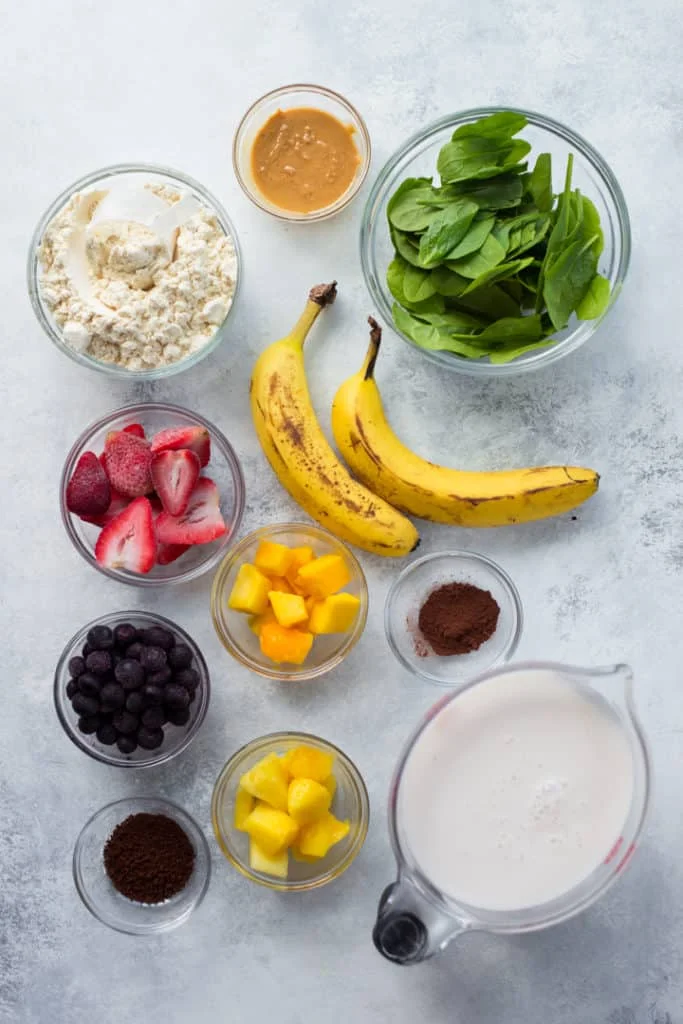
Blend a scoop of chocolate-flavored whey protein with natural peanut butter, unsweetened almond milk, and a frozen banana. This creamy smoothie provides healthy fats, protein, and satisfying flavor for muscle building and fat loss support.
Tropical Detox Protein Shake
Mix frozen mango, orange juice, a scoop of collagen or pea protein, and unsweetened coconut beverage. Add a small amount of maple syrup if needed for sweetness. This bright smoothie aids detoxification while delivering essential protein and vitamins.
Avocado and Spinach Creamy Shake
Use silken tofu, half an avocado, a handful of spinach, and a scoop of protein powder as your base. Add water or unsweetened almond milk to adjust consistency. The healthy fats from avocado and protein from tofu create a creamy, nutrient-dense smoothie that supports satiety and weight management.
Tips for Incorporating Smoothies into Your Daily Routine
Best Times to Drink Protein Smoothies
Timing your protein smoothie intake can maximize its benefits. Drinking a protein smoothie within 30 minutes after exercise helps muscle recovery and growth. Consuming smoothies as a breakfast option can kickstart your metabolism and curb overeating later. Additionally, enjoying a protein-rich smoothie as an afternoon snack can stabilize blood sugar and reduce cravings.
Portion Control and Calorie Awareness
Even healthy smoothies can contribute to weight gain if portion sizes are too large or calorie-dense ingredients are overused. Use portion control strategies by measuring ingredients and paying attention to total calories. Avoid adding excessive natural sweeteners or high-fat ingredients. Blending ice cubes or frozen vegetables like cauliflower can add volume without extra calories, helping you feel fuller with fewer calories consumed.
Common Mistakes to Avoid
One common pitfall is relying solely on fruit-based smoothies, which can be high in sugars and reduce weight loss effectiveness. Another is neglecting protein altogether or underestimating the serving size, leading to less satiety and slower progress. Overloading smoothies with high-calorie extras like nut butters or sweeteners can also hamper your results. Always blend ingredients thoroughly, especially when using fibrous items like apple skin, to improve texture and nutrient absorption. Finally, mixing up flavors regularly helps avoid smoothie fatigue and keeps your routine enjoyable.