



















Introduction to Budget Home Renovation
Embarking on a home renovation journey can be both exciting and daunting, especially when working with a tight budget. DIYers often look for ways to stretch their dollars while still achieving impressive results. The key lies not just in the materials you choose, but also in the tools you invest in. Having the right tools can make your project smoother, safer, and far more enjoyable.
Whether you’re refreshing a room or tackling a full-scale makeover, understanding which tools are essential helps you focus your money on what truly matters. This guide will walk you through the fundamental tools every budget-conscious DIYer needs and share smart tips to make your renovations efficient and cost-effective.
Planning Your Renovation: Setting a Realistic Budget
Before you pick up any tools, it’s crucial to set a clear, realistic budget for your renovation. This means accounting not only for materials but also the tools you’ll need. Surprises can quickly blow up costs if you’re unprepared. Start by listing all the tasks involved and identify the tools that will make those tasks easier.
Think about what you already have and what you must buy or rent. Some specialized tools might be worth renting to save upfront costs, while others are investments that you’ll keep using in future projects. Planning your budget with a balance between tool purchase and rental keeps you financially resilient throughout the renovation.
Must-Have Hand Tools for Every DIYer
Measuring Tools to Ensure Precision
Accuracy is at the heart of any successful renovation, so reliable measuring tools become your best friends. A sturdy tape measure and a speed square are indispensable for marking straight, clean lines and ensuring your cuts and placements are precise. These basics can save you from costly mistakes down the line.
Look for durable tools that hold up over time—even if you accidentally drop them. Investing in quality measuring instruments improves your confidence and helps maintain consistent standards throughout your project.
Cutting and Shaping Tools
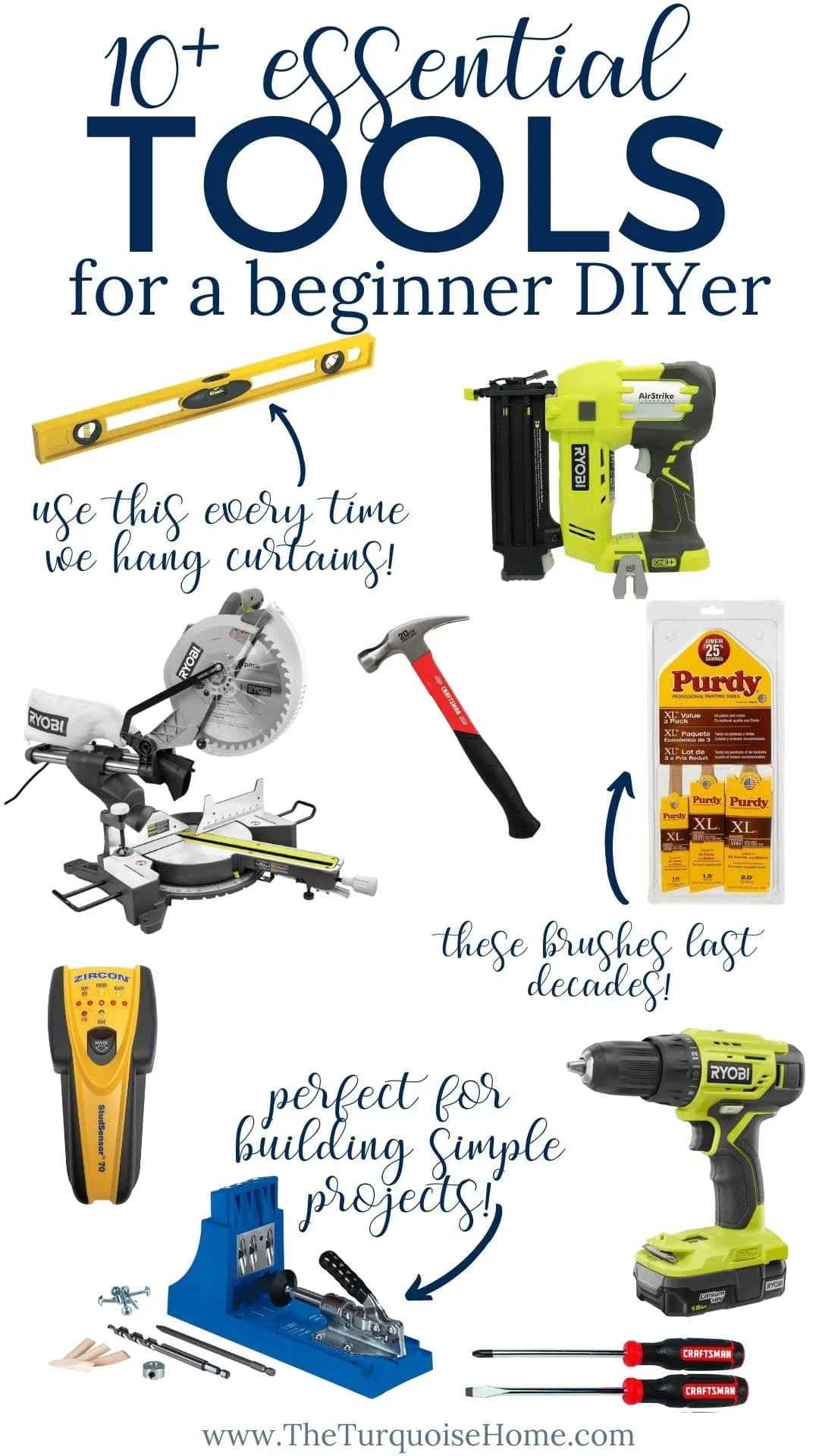
Cutting tools demand versatility and precision. For starters, a handsaw or a utility knife can handle many minor cuts, but expanding your toolkit to include a miter saw will elevate your work, especially for angled cuts such as molding or trim. A circular saw is also a beginner-friendly option for making straight cuts and is easier to manage than the complex table saw.
Don’t overlook the value of a reciprocating saw for those unexpected demolition or trimming jobs during renovations. It might seem specialized, but its ability to cut through wood, metal, and even nails makes it a practical addition to your arsenal.
Fastening Tools: Nails, Screws, and More
Nails and screws keep your project solidly together, so having the proper fastening tools is essential. An 18 gauge brad nailer strikes a great balance between strength and surface finish, leaving minimal holes to fill. This tool helps with molding, cabinetry, and other detail work.
Besides nailers, a robust screwdriver set complements your power tools and makes working in tight spaces or delicate areas much easier. These hand tools guarantee that you’ll be ready for almost any fastening task.
Essential Power Tools on a Budget
Affordable Drills and Drivers
When it comes to power tools, drills and drivers are probably the most versatile and frequently used. Investing in a good drill driver combo can cover drilling holes and driving screws without breaking the bank. Many stores offer bundled sets that include both a drill and an impact driver along with batteries and chargers, providing excellent value and jumpstarting your tool collection.
Choose tools that share batteries; this saves money in the long run because batteries can be the most expensive component. Prioritizing rechargeable, cordless models grants you more mobility and efficiency on the job.
Multi-purpose Saws for Various Tasks
A saw tailored for a range of cutting needs can be a game-changer. The circular saw is a practical, beginner-friendly choice that lets you make clean, straight cuts quickly. As your skills grow, you may want to upgrade to a table saw for even greater precision.
Meanwhile, oscillating multi-tools offer finely controlled cuts for tricky spots like trimming door jambs or removing grout. Though not absolutely essential, these multi-purpose saws can make your renovation smoother and more professional-looking.
Sanding and Finishing Equipment
A smooth finish speaks volumes about the quality of your work. Instead of laboring with sandpaper, a random orbital sander offers both efficiency and a swirl-free surface that standard sanders often miss. This tool is beloved by DIYers for its ability to create a flawless finish on wood and painted surfaces.
Careful finishing reduces the need for extra coats of paint or filler, ultimately saving you time and materials. Keeping your workspace clean and tidy during sanding also improves the overall quality of your renovation.
Safety Gear: Protecting Yourself During Renovation
Eye and Ear Protection
Renovation can be noisy and full of flying debris. Protective goggles shield your eyes from dust and fragments, while earmuffs or earplugs guard your hearing during prolonged use of power tools. These simple safety measures can prevent injuries that might otherwise delay your project.
Gloves and Respirators
Gloves protect your hands from splinters, sharp edges, and harsh chemicals. Meanwhile, respirators or dust masks are vital when working with paint fumes or sanding materials, helping you breathe easier and maintain focus. Prioritizing safety gear is an investment in your health and efficiency.
Smart Tips for Tool Rental and Buying Used Tools
Stretching your budget sometimes means borrowing or renting tools you’ll only need briefly. Rental shops offer quality equipment for a fraction of the purchase price, which is ideal for specialized tools like tile cutters or large saws.
When buying used tools, prioritize reputable brands and inspect carefully for wear or damage. Tools that have been well-maintained can perform almost like new but cost significantly less. Remember to ask if batteries are included or need to be purchased separately, as batteries often make up the bulk of a tool’s price.
Shopping around and comparing offers can often lead to surprising bargains that bring professional-grade tools within reach.
Maintaining Your Tools for Longevity
Good tools can last a lifetime if well cared for. Make it a habit to clean your tools after use, oil moving parts, and store them in a dry, organized space. Batteries should be charged properly and stored at recommended temperatures to maximize life.
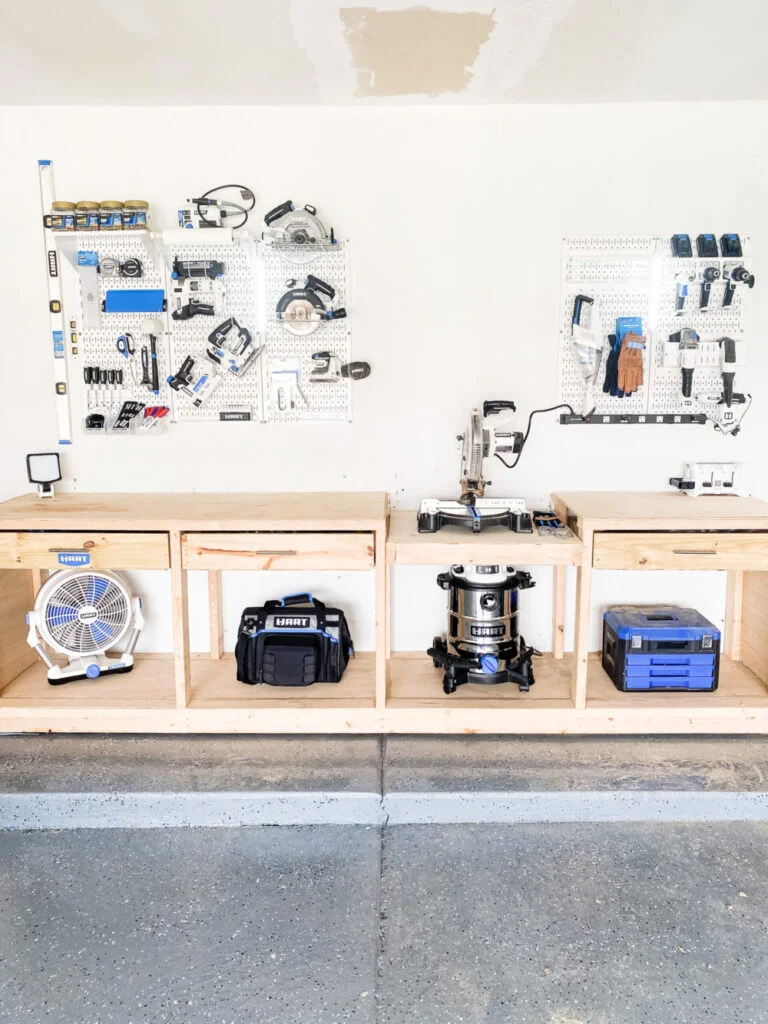
Regular maintenance not only extends the life of your equipment but also keeps them operating safely and effectively. Treat your tools with respect, and they’ll repay you with reliability and precision for years to come.
Conclusion: Empowering Your Home Renovation Journey
Budget home renovation doesn’t have to mean cutting corners on quality or safety. By thoughtfully choosing essential tools, planning wisely, and maintaining your equipment, you empower yourself to tackle projects with confidence. Remember, the right tools make all the difference in transforming your space while respecting your budget.
Start small, invest smartly, and watch as your DIY skills grow alongside your toolbox. With patience and the proper gear, any home renovation, big or small, becomes an achievable and rewarding experience.