



















Introduction to Hearty Lentil Soup
Why Lentil Soup is the Ultimate Cozy Meal
Lentil soup has long been celebrated as the perfect comfort food, especially during chilly evenings when a warm bowl can soothe both body and soul. Its hearty texture and rich flavors create a satisfying dining experience that evokes a sense of home and relaxation. Beyond just being delicious, lentil soup is incredibly versatile and can be prepared in a variety of ways to suit different tastes and dietary needs, making it an ideal go-to meal for cozy dinners.
Nutritional Benefits of Lentils
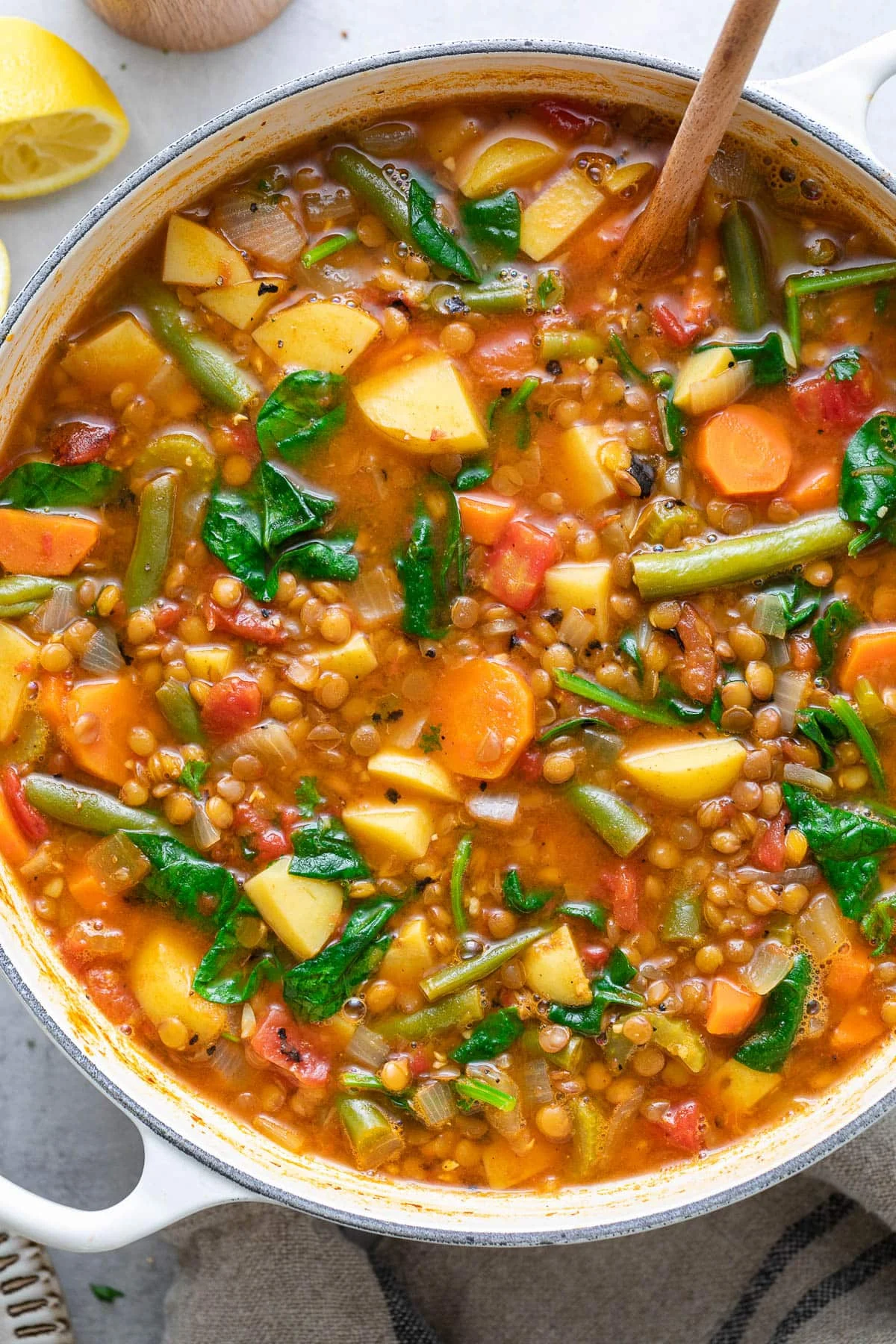
Aside from its comforting nature, lentil soup is packed with nutrition. Lentils are an excellent plant-based source of protein, fiber, and essential minerals such as iron, magnesium, and potassium. They support digestive health and help maintain steady blood sugar levels. Including lentil soup in your meal rotation not only satisfies your hunger but also provides a nutritious boost, especially for vegetarians and vegans seeking wholesome, balanced meals.
Essential Ingredients and Their Roles
Choosing the Right Lentils
Selecting the appropriate type of lentils can significantly impact the texture and flavor of your soup. For a hearty and rustic soup, dried green or brown lentils are ideal as they hold their shape well and provide a satisfying bite after about 30 minutes of cooking. On the other hand, if you prefer a smoother and creamier consistency, especially for picky eaters, dry red lentils are a great choice since they soften quickly and easily blend into the soup.
Vegetables and Herbs for Maximum Flavor
Vegetables serve as the foundation of your lentil soup’s depth and richness. Classic choices include onions, carrots, and celery, which, when sautéed, release sweet and aromatic flavors. Adding greens like spinach enhances the nutritional profile and adds freshness. If you’re using kale, remember it requires slightly longer cooking — about 10 more minutes — to become tender. Fresh herbs such as thyme and parsley bring brightness and complexity, rounding out the savory undertones of the dish.
Spices and Seasonings to Enhance Taste
Spices are the secret to elevating lentil soup beyond basic ingredients. A warming blend of cumin, paprika, and fresh thyme supports the earthy notes of the lentils. For an extra kick, cayenne pepper can be added sparingly. If you’re looking to experiment, turmeric introduces a subtle flavor and vibrant color. Balancing these seasonings with salt and pepper ensures the soup’s flavor is both rich and inviting.
Preparation Steps Before Cooking
Washing and Soaking Lentils
Preparation begins with properly rinsing the lentils under cold water to remove dust or debris. Unlike many other legumes, lentils do not require soaking, which saves time while maintaining their nutritional integrity. Ensuring they are well rinsed is sufficient to prepare them for cooking.
Chopping Techniques for Even Cooking
Uniform chopping of vegetables helps in achieving even cooking and a well-balanced flavor throughout the soup. Dice onions finely to melt into the broth, slice carrots and celery into consistent pieces to provide texture, and chop greens just before adding so they retain their vibrant color and delicate texture. Taking time with these steps enhances the overall presentation and taste.
Cooking Instructions: A Detailed Walkthrough
Sautéing Aromatics and Vegetables
Begin by heating oil in a large pot over medium heat. Add diced onions, carrots, and celery, sautéing them until they become soft and fragrant, which usually takes about 5 to 7 minutes. This step develops the base flavor of your soup and intensifies its aroma. Incorporate minced garlic and cook for another minute before moving on to spices, allowing their essential oils to release fully.
Simmering Lentils to Perfection
Next, add the rinsed lentils along with vegetable broth or water. Bring the mixture to a boil, then reduce heat to a simmer. Cover the pot and let it cook for around 30 minutes for green or brown lentils, or about 15-20 minutes for red lentils. Stir occasionally to prevent sticking and check the texture of the lentils to avoid overcooking. Adding extra broth or water during simmering can help tailor the soup’s consistency to your preference, whether thicker or more broth-based.
Adjusting Seasoning and Consistency
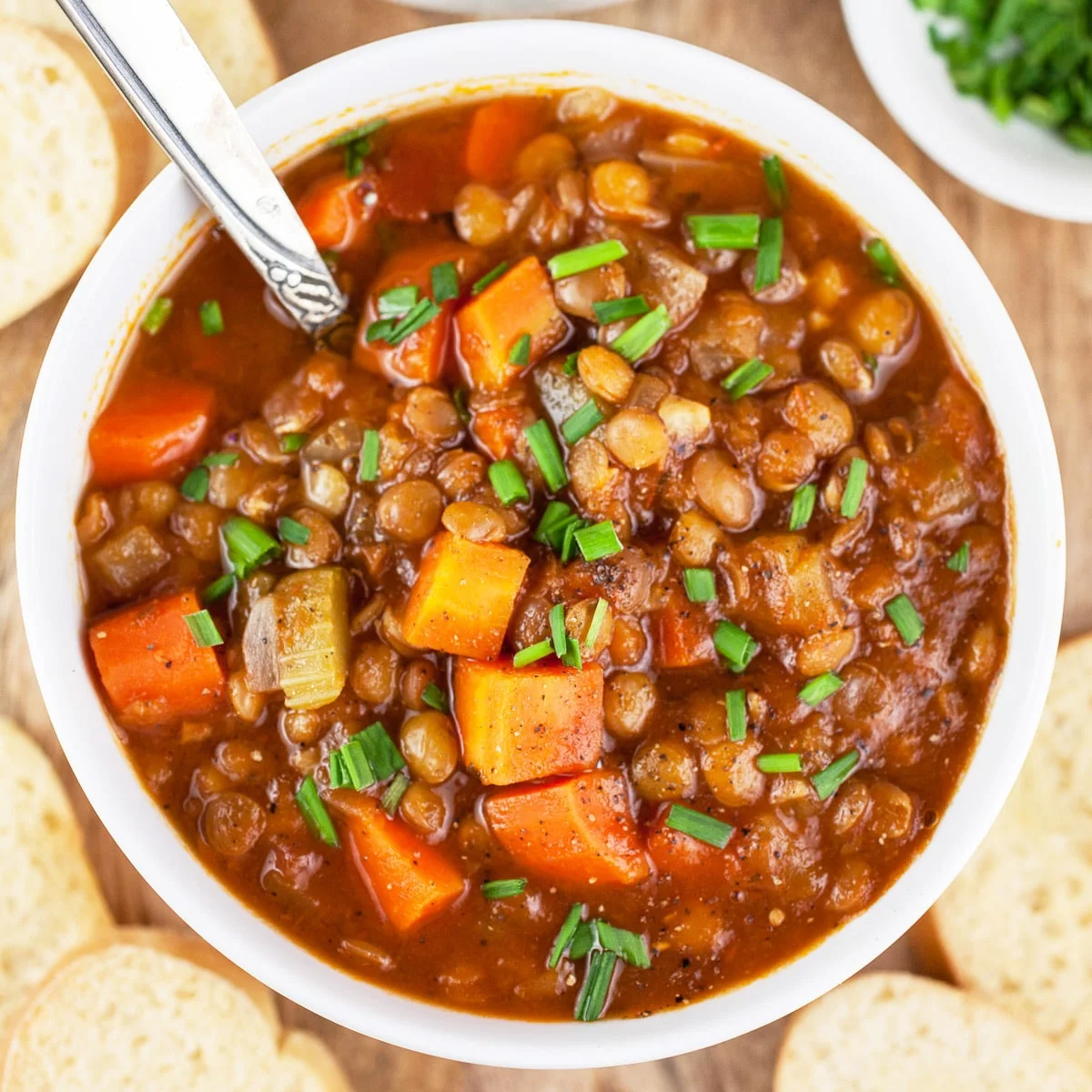
Once the lentils are tender, taste the soup and adjust seasonings by adding salt, pepper, and additional spices as needed. For a creamier texture, blend a portion of the soup in a blender. When using a blender, remove the center part of the lid and cover with a towel to allow steam to escape safely, preventing accidents. Combining both blended and whole lentils creates a pleasing texture that is rich without being too thick.
Serving Suggestions and Pairings
Best Breads and Sides to Complement Lentil Soup
Lentil soup pairs wonderfully with a variety of sides. Warm no-knead dinner rolls or crusty bread are excellent for dipping and add a satisfying contrast to the silky soup. Grilled cheese and toasted sandwiches enhance the meal with their toasted crunch and gooey centers. For those looking for lighter accompaniments, fresh spinach salad or roasted vegetables provide a refreshing balance to the savory soup.
Garnishes That Add a Flavor Boost
Simple garnishes can significantly elevate your lentil soup. A sprinkle of fresh parsley or thyme adds vibrant color and fresh herbaceous notes. A squeeze of fresh lemon juice just before serving brightens the flavors and ties all the ingredients together, offering a clean finish that invigorates the palate.
Customizing Your Lentil Soup
Adding Protein Options
While lentil soup itself is rich in plant-based protein, you can further customize it by adding other protein sources. Cooked sausage, diced chicken, or turkey work well for those who prefer meat, while tofu or tempeh can be incorporated for plant-based variations. These additions make the soup more filling and cater to diverse dietary preferences.
Making It Vegan or Gluten-Free
Lentil soup is naturally vegan and gluten-free when prepared without animal products or gluten-containing additives. Using vegetable broth and avoiding any dairy or egg-based garnishes ensures it remains suitable for vegans. For gluten-free diets, it’s important to pair the soup with gluten-free bread or sides to maintain a cohesive meal free from gluten.
Storage Tips and Reheating Advice
How to Store Leftovers Properly
Leftover lentil soup can be stored safely in the refrigerator for up to five days. Transfer the soup into airtight containers to preserve freshness and prevent contamination. Proper storage maintains the soup’s flavor and texture, making it easy to enjoy as a quick meal later in the week.
Reheating Without Losing Texture and Flavor
When reheating, gently warm the soup either on the stove over low heat or in the microwave after thawing if previously frozen. Stir occasionally to maintain an even temperature and prevent sticking. If the soup has thickened during storage, add a splash of water or broth to restore the desired consistency and avoid a dry or overly thick texture.