

















Understanding the Basics of Medium-Rare Steak
What Does Medium-Rare Mean?
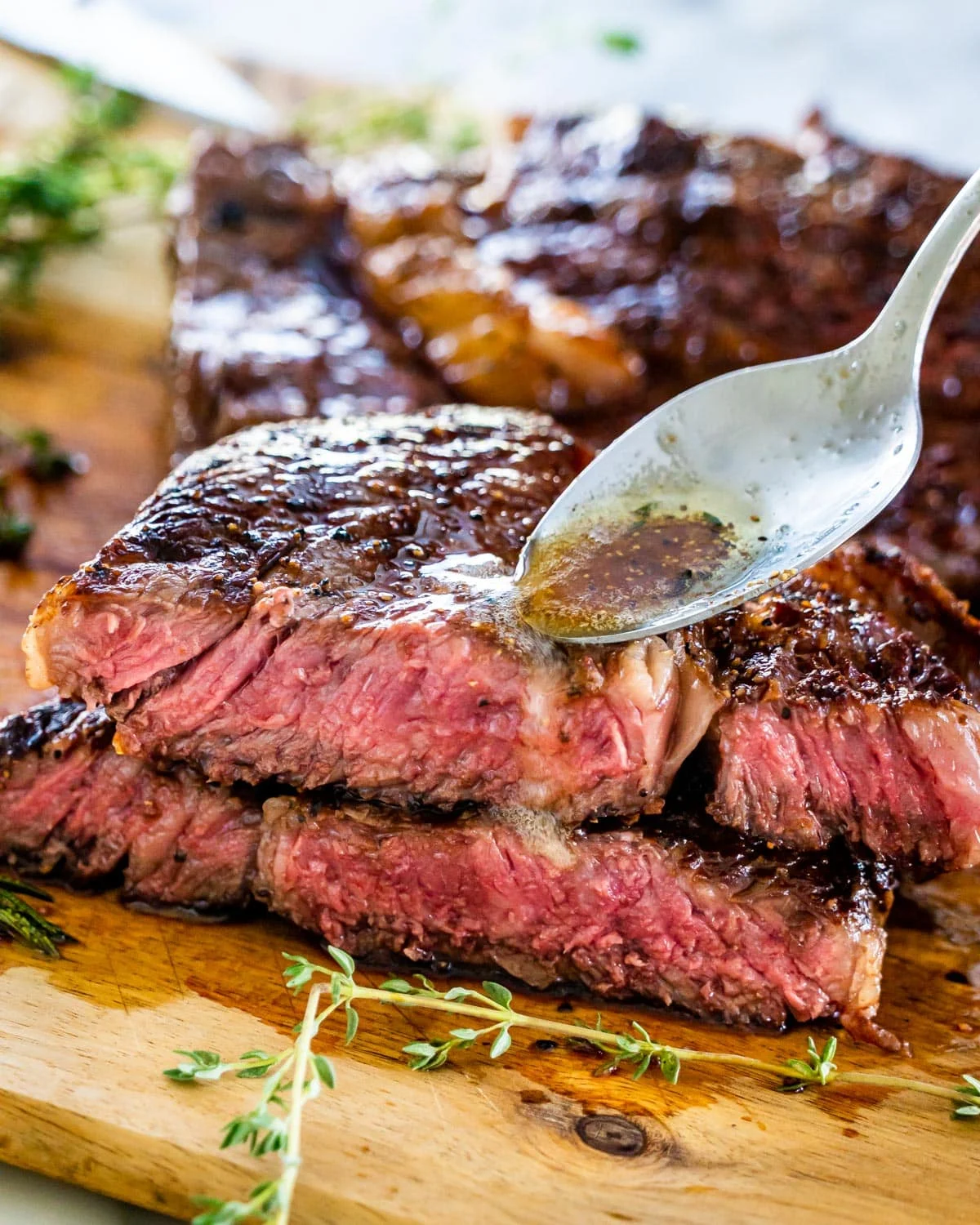
Medium-rare is a popular steak doneness level characterized by a warm, red center with a hint of pink, offering a juicy and tender bite. It strikes a balance between the tenderness of rare and the firmness of medium, making it a favorite for steak enthusiasts. Achieving medium-rare means cooking the steak to an internal temperature generally around 130°F to 135°F (54°C to 57°C), ensuring the perfect texture and flavor.
Importance of Temperature Control
Temperature control is critical in creating a medium-rare steak because cooking beyond the ideal temperature can dry out the meat and diminish its tenderness. Precise heat management helps avoid overcooking, which causes the steak to lose juices and develop a tougher texture. By carefully monitoring the cooking temperature, you maintain the steak’s natural flavor and achieve consistent results every time you pan-sear.
Choosing Your Steak: Cuts and Quality
Best Cuts for Pan-Searing
When selecting a steak for pan-searing, it’s important to consider cuts that handle high heat well and maintain tenderness. Popular choices include ribeye, New York strip, filet mignon, and sirloin. These cuts have adequate marbling, which melts during cooking, enhancing flavor and juiciness. Ribeye, for instance, offers a rich taste and forgiving fat content, making it an excellent candidate for pan-searing.
How to Pick High-Quality Meat
To ensure your steak turns out perfectly, start by choosing high-quality meat. Look for bright red color, firm texture, and consistent marbling throughout the cut. Prime-grade or choice-grade meat offers superior quality due to better marbling and aging. Additionally, consider purchasing from a trusted butcher who can recommend fresh cuts and may provide dry-aged options for enhanced flavor.
Preparation Techniques for Perfect Pan-Seared Steak
Seasoning: Salt, Pepper, and Beyond
Seasoning plays a vital role in enhancing the steak’s natural flavors. At minimum, liberally apply salt and freshly ground black pepper to both sides of the steak. Salt helps to tenderize the meat and draw out flavor, while pepper adds depth. For a more complex taste, you can add garlic powder, smoked paprika, or fresh herbs like rosemary and thyme, but simplicity often yields the best results.
Preparing the Steak for Cooking
Before searing, bring the steak to room temperature by letting it rest outside the fridge for about 30 minutes. This ensures even cooking throughout. Pat the steak dry with paper towels to remove any moisture on the surface, which helps achieve a crisp, flavorful crust. Applying a thin layer of oil can prevent sticking and improve the searing process.
Mastering the Pan-Searing Process
Choosing the Right Pan and Oil
Select a heavy-bottomed skillet such as cast iron or stainless steel for pan-searing. Cast iron pans retain and distribute heat evenly, ideal for developing a perfect crust. When it comes to oil, use one with a high smoke point like canola, avocado, or grapeseed oil. Avoid butter at this stage as it burns quickly under high heat, although it can be added later for flavor.
Optimal Heat Settings
Preheat your pan over medium-high to high heat until it’s very hot. This high temperature allows for a strong sear, locking in juices and flavor. If the pan isn’t hot enough, the steak will cook slowly and fail to develop a nice crust. Conversely, too high heat risks burning the surface before the interior reaches medium-rare, so monitor carefully to maintain balance.
Step-by-Step Searing Method
First, place the steak gently into the hot pan without overcrowding. Let it sear undisturbed for about 3 to 4 minutes, allowing a golden-brown crust to form. Flip the steak once and cook the other side for another 3 minutes. For thicker cuts, you may need to also sear the edges by holding the steak upright with tongs. Near the end, consider adding butter, garlic, and herbs to baste the steak for added flavor and moisture.
Achieving the Perfect Medium-Rare Temperature
Using a Meat Thermometer Effectively
A digital meat thermometer is the most reliable tool for verifying medium-rare doneness. Insert the probe into the thickest part of the steak without touching bone or fat. When the internal temperature reaches between 130°F and 135°F, remove the steak from the heat. Remember that the steak will continue to cook slightly from residual heat, so it’s best to take it off just before hitting the ideal temperature.
Visual and Tactile Doneness Indicators
In addition to temperature, you can assess doneness by appearance and feel. A medium-rare steak typically has a warm pink center and a firm but springy texture when pressed. Use the fingertip test for a rough guide: pressing the fleshy part beneath your thumb compared to touching the tip of your middle finger to your thumb simulates medium-rare firmness. However, temperature measurement remains the most accurate method.
Resting and Serving Your Steak
Why Resting Is Crucial
After cooking, resting the steak for about 5 to 10 minutes is essential. Resting allows the juices to redistribute throughout the meat instead of spilling out when cut, preserving tenderness and moisture. Cover the steak loosely with foil to retain heat during resting. Skipping this step can result in a drier, less flavorful experience.
Carving and Presentation Tips
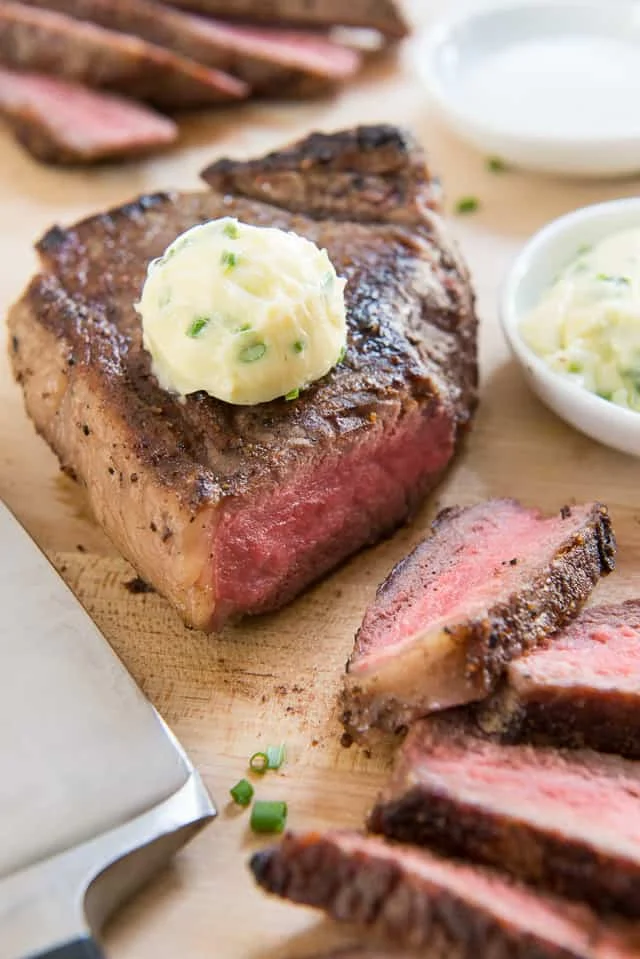
When ready to serve, slice the steak against the grain to maximize tenderness. Cutting perpendicular to the muscle fibers shortens them, making each bite easier to chew. Present the steak on a warm plate, optionally garnished with fresh herbs or a pat of compound butter. A thoughtful presentation enhances the dining experience while showcasing your perfect sear.
Advanced Tips and Troubleshooting
Common Mistakes to Avoid
One frequent error is overcrowding the pan, which lowers the temperature and causes steaming instead of searing. Always cook steaks in batches if necessary. Another pitfall is flipping the steak too often; allowing at least one side to develop a crust before flipping is key. Additionally, failing to use a thermometer can lead to inconsistent doneness, so rely on it instead of guesswork.
Adjusting for Different Steak Thicknesses
The thickness of your steak impacts cooking time significantly. Thinner cuts will cook quickly and may only need 2 to 3 minutes per side, whereas thicker steaks often require additional time or finishing in the oven after searing. For very thick steaks, consider a reverse sear method—slow-cooking first and then searing—to achieve even medium-rare without overcooking the outside.