


















Understanding Why Steaks Become Tough
The Science Behind Steak Texture
Picture this: you’ve just fired up the grill, anticipating a juicy, tender steak. Yet, after the first bite, it feels like chewing on rubber. What happened? The secret lies in the muscle fibers and connective tissues within the meat. When a steak is cooked incorrectly, these fibers tighten and squeeze out moisture, leaving the meat dry and tough. The science of steak texture revolves around how heat interacts with these proteins inside the meat, changing their structure and affecting tenderness.
Role of Heat and Muscle Fibers
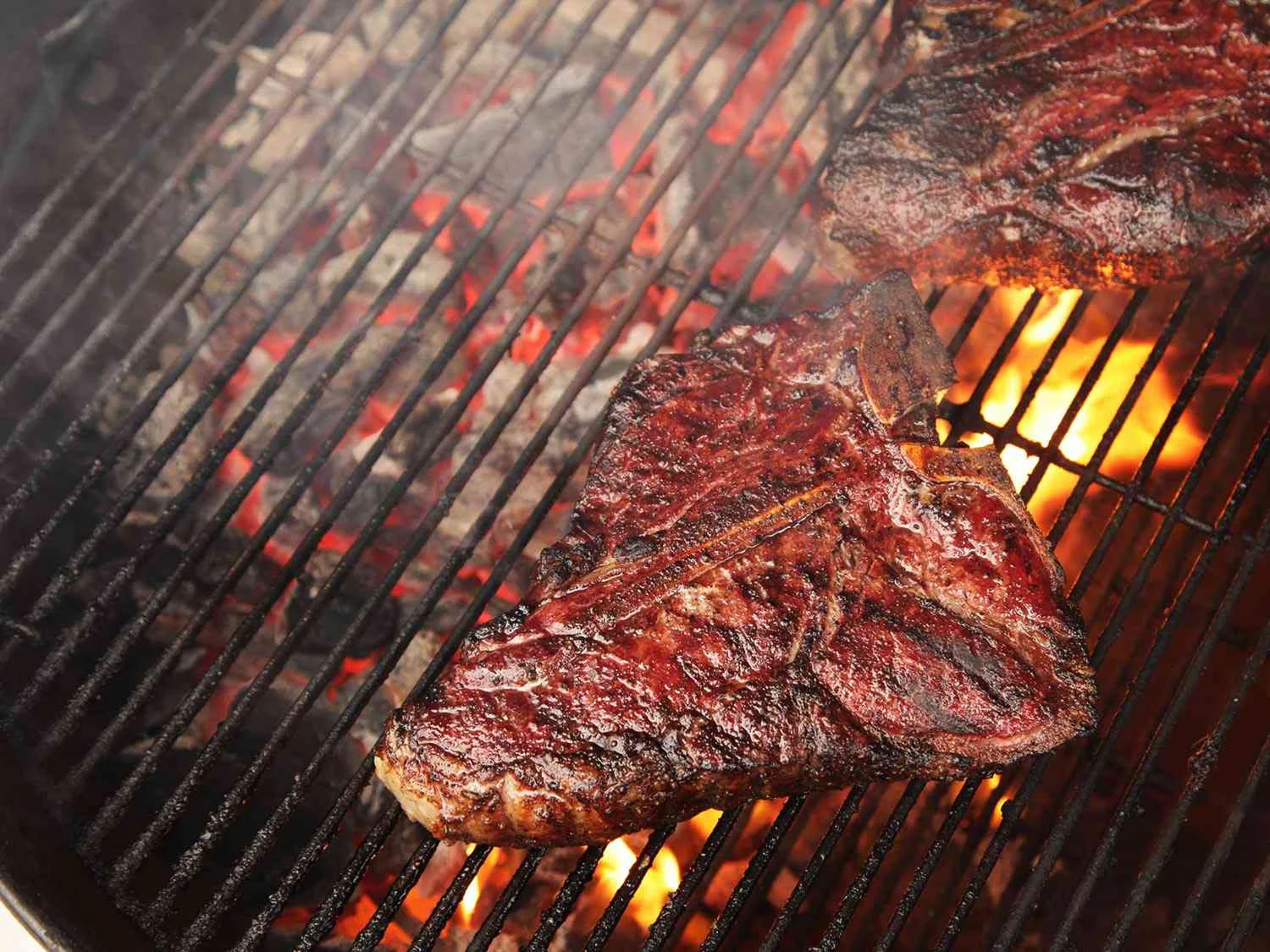
Muscle fibers are long, tightly wound strands that become the building blocks of steak texture. When exposed to heat, these fibers contract. If the heat is too intense or prolonged, the contraction becomes excessive, forcing juices out and making the meat chewy. Imagine grilling a thick steak directly over high flames—while it may develop a nice crust, underneath, the core becomes dry and tough. The key is managing this heat to relax rather than over-tighten the fibers.
Top Grilling Errors That Toughen Your Steak
Using Excessive Direct Heat
Grilling over a roaring flame may seem like the quickest way to cook, but it often backfires. Excessive direct heat cooks the steak’s surface too fast while leaving the inside unevenly cooked. For example, a backyard cook rushing to impress friends might crank the grill to max and slap the steak down immediately. This creates a burnt outer layer with a tough texture, not the tender, flavorful bite they hoped for.
Overcooking: Recognizing the Signs
Many people don’t realize they’ve overcooked their steak until it’s too late. A telltale sign is a dry, crumbly center or a color that shifts from pink and juicy to dull gray-brown. One memorable story comes from a novice griller who left a ribeye on the heat too long while chatting with guests. When finally sliced, the steak was dry and tough, far from the tender medium-rare they aimed for. Using a reliable meat thermometer or learning key visual clues helps avoid this common misstep.
Skipping the Resting Period
A common mistake is cutting into the steak immediately after grilling. Without resting, the juices have no chance to redistribute, causing valuable moisture to spill out. Imagine carving a roast right off the grill and seeing a pool of juices on the plate instead of inside the meat. Letting the steak rest for several minutes allows those juices to settle evenly, keeping the steak tender and flavorful.
Neglecting Proper Marinades and Seasoning
Throwing a steak on the grill without seasoning or marinade is like painting on a blank canvas—you miss a chance to enhance flavor and tenderness. Marinades containing acidic components like vinegar or citrus break down tough muscle fibers. One chef’s tip is marinating tougher cuts overnight in a blend of olive oil, garlic, and lemon juice, transforming what could be a firm steak into a melt-in-your-mouth experience. Ignoring seasoning diminishes not only taste but also the texture.
Pre-Grilling Preparation Tips for Tenderness
Choosing the Right Cut
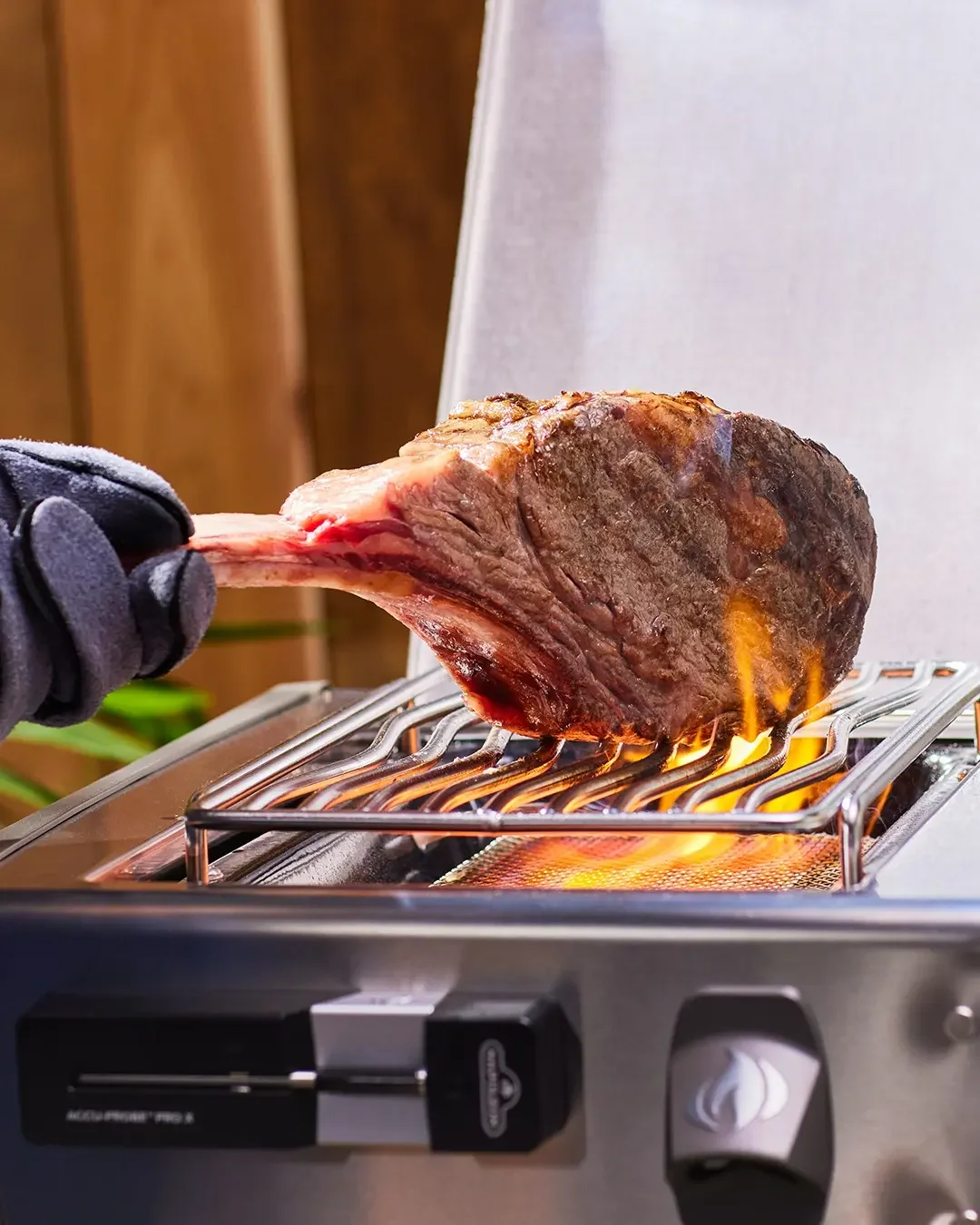
Not all steaks are created equal when it comes to tenderness. Cuts like filet mignon or ribeye naturally boast more marbling, which melts during cooking to keep the meat soft. On the other hand, tougher cuts such as flank or round require extra care through marinating or slow cooking. Think of it like choosing between a soft pillow and a firm mattress; your choice sets the foundation for the final steak experience.
Effective Marinating Techniques
Marinating is more than just soaking your steak in sauce. It requires the right balance of acids, oils, and aromatics, as well as timing. For instance, a thin skirt steak can benefit from just 30 minutes of marinating to tenderize, while a thicker cut may need several hours or overnight. A practical approach is using a zip-top bag to ensure the marinade evenly coats every inch of the meat, making every bite flavorful and tender.
Proper Steak Thickness and Temperature
Thickness affects how the steak cooks on the grill. Too thin, and the steak will quickly overcook; too thick, and the inside may remain undercooked while the exterior burns. Generally, a thickness of about one to one and a half inches works best. Additionally, letting the steak come to room temperature before cooking helps it cook evenly. Take a cue from seasoned grill masters who pull steaks out of the fridge 30-60 minutes ahead to avoid a cold core and tough texture.
Mastering the Grill: Techniques to Keep Steak Juicy
Correct Grill Temperature Settings
Managing grill temperature is an art form. A moderate heat lets the steak cook slowly and evenly, preventing the muscle fibers from tightening too much. Many pitmasters divide their grill into “hot” and “cool” zones, searing the steak first over higher heat before moving it to indirect heat for gentle cooking. This method balances a flavorful crust with a tender center, a lesson best learned through experience on the grill.
Using Indirect Heat and Flipping Skills
Flipping steak too frequently can prevent the formation of a proper crust, while flipping too little risks burning. A rule of thumb is to flip only once or twice. Using indirect heat allows the steak to cook through without excessive charring. One weekend grilling story highlights how a novice who flipped every 30 seconds ended up with a tough steak—because the meat never got a chance to rest and form a crust—showing that patience is key.
Time Management: When to Flip and Remove
Timing is crucial. Overstaying on the grill dries out the steak; removing it too soon means raw sections. Using tools like a meat thermometer or learning the “touch test” to check doneness helps. For example, pressing the steak and comparing firmness to different parts of your hand can indicate rare, medium, or well-done doneness. Mastering this timing ensures juicy results every time.
The Final Touch: Resting and Serving Your Steak
Why Resting Matters
Resting isn’t just a suggestion, it’s a necessity. After grilling, the steak’s juices are pushed toward the center by the heat. Allowing the meat to rest for 5-10 minutes gives those juices a chance to redistribute, enhancing moisture throughout. Cutting too early is like popping a balloon—juices run out, and the steak dries. This step can transform a meal from disappointing to memorable.
Cutting Against the Grain for Maximum Tenderness
When it’s time to serve, the way you slice the steak matters immensely. Cutting against the grain—meaning across the direction of the muscle fibers—shortens those fibers and makes chewing easier. Imagine slicing a rope; cutting across makes it easier to bite through. This simple technique turns a potentially tough steak into a tender, enjoyable meal.