















Understanding Backyard Pest Problems
Common Types of Backyard Pests
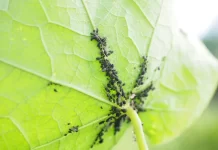
Backyard gardens and lawns are often home to a variety of pests that can damage plants and disrupt the natural balance. Common culprits include aphids, caterpillars, slugs, and beetles, each with distinct feeding habits and behaviors. For example, aphids suck sap from plants, weakening them over time, while caterpillars chew on leaves, creating visible damage. Understanding these pests’ habits is the first step in managing their impact effectively without resorting to harsh chemicals.
Why Chemical-Free Solutions Matter
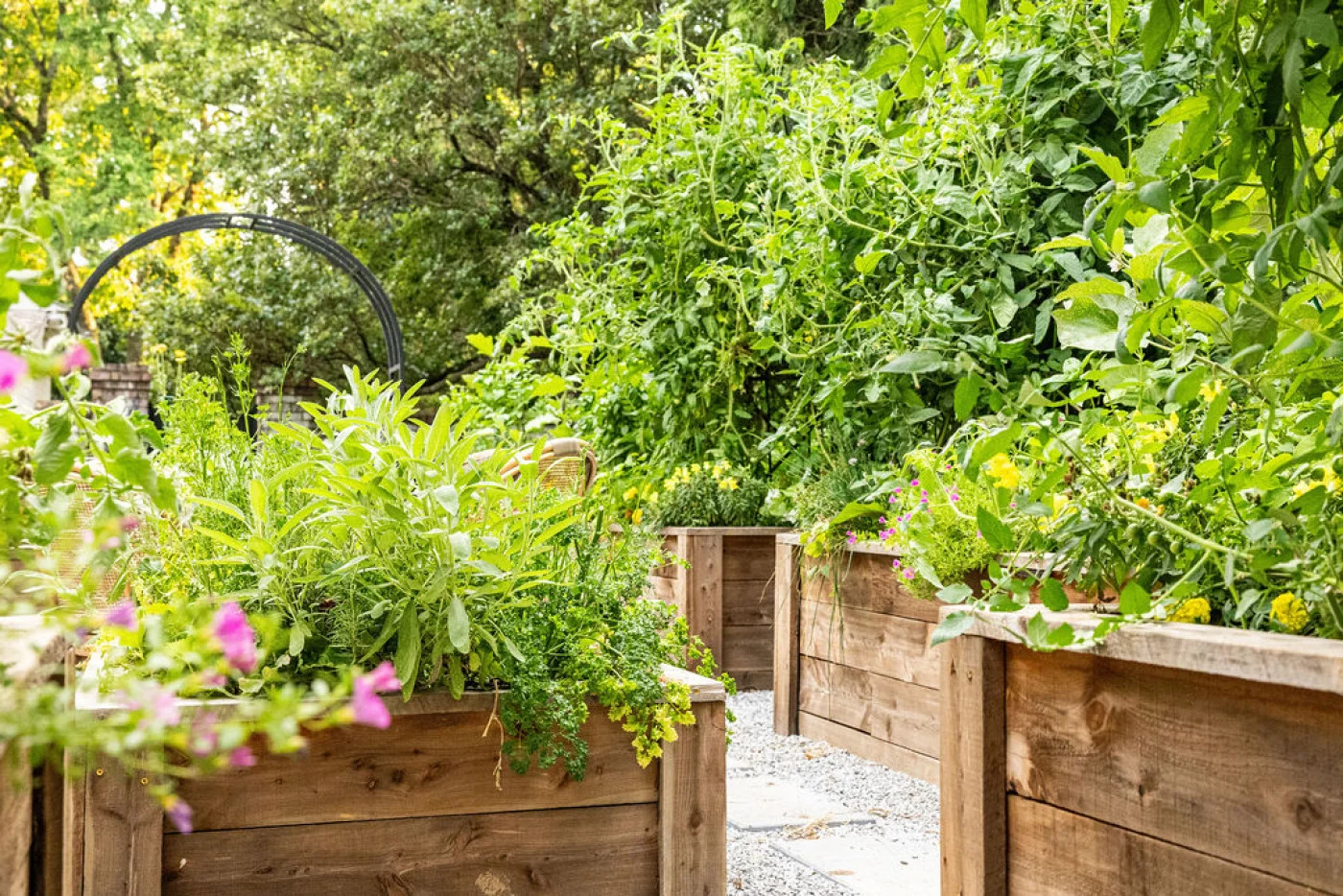
Choosing to manage backyard pests without chemicals is crucial for several reasons. Chemical pesticides can harm beneficial insects, disrupt ecosystems, and contaminate soil and water. Moreover, many chemicals pose health risks to humans and pets. By focusing on natural and organic methods, gardeners protect the environment, promote biodiversity, and create safer spaces for families and wildlife alike. This approach encourages sustainable gardening and long-term pest control success.
Preventive Measures to Keep Pests Away
Maintaining a Clean and Inviting Environment
A tidy garden reduces pest habitats and limits their breeding opportunities. Regularly removing debris, dead leaves, and weeds helps eliminate hiding places for insects and rodents. Proper disposal of fallen fruit and maintaining well-pruned plants lessen the chances that pests can establish themselves. Additionally, spacing plants adequately improves airflow, reducing the conditions favorable to fungal diseases that can attract pests.
Choosing Pest-Resistant Plants
Selecting plants that naturally repel pests or are less appealing to them is a strategic preventive step. Many native plants have evolved defenses against local pests, meaning they require fewer interventions. When selecting species, consider their cold hardiness and sunlight requirements to ensure healthy growth, which makes plants less vulnerable to attacks. Checking plant tags and seeking advice from nursery experts can guide these choices, leading to a more resilient backyard ecosystem.
Natural Remedies and Organic Pest Control Methods
Using Beneficial Insects as Pest Predators
One of the most effective ways to control pests is by encouraging beneficial insects that prey on harmful species. Ladybugs, hoverflies, and parasitic wasps naturally reduce pest populations like aphids and caterpillars. To attract these allies, cultivate plants with open flowers that provide nectar and pollen, ensuring they have food sources to thrive. Understanding the life cycles of both pests and beneficial insects allows for better timing in supporting these natural controls.
Homemade Sprays and Traps
Organic sprays made from ingredients like neem oil, garlic, or soapy water can target pests while minimizing ecological impact. However, it is vital to read and follow label instructions carefully when using any organic pesticides to balance effectiveness with safety. Traps can also be useful, primarily as monitoring tools rather than means for mass eradication, helping gardeners identify pest presence early and take appropriate action.
Physical Barriers and Mechanical Controls
Netting, Row Covers, and Fences
Implementing physical barriers such as netting or row covers prevents pests from reaching plants altogether. These barriers are especially helpful for protecting young, vulnerable plants during critical growth stages. Strategically placed fences can deter larger animals like rabbits or deer, which may also damage garden plants. Proper installation and maintenance of these barriers increase their effectiveness and reduce pest incursions.
Handpicking and Manual Removal Techniques
For smaller infestations, manually removing pests by hand can be highly effective and rewarding. This approach involves regularly inspecting plants and carefully picking off insects or larvae. It is particularly useful when dealing with slow-moving or visible pests, as it provides immediate relief without the use of chemicals. Patience and consistency in handpicking are key to keeping pest populations under control.
Integrating Helpful Wildlife
Attracting Birds, Frogs, and Other Pest Controllers
Natural backyard allies such as birds and frogs consume large quantities of pests throughout the season. Encouraging these creatures to visit your garden enhances pest control naturally. Providing bird feeders, water sources, and shelter can make your yard inviting for these beneficial animals. Creating a balanced ecosystem where predator-prey interactions occur naturally helps maintain pest populations at manageable levels.
Creating Safe Habitats for Natural Allies
Designing your backyard with wildlife in mind includes leaving some areas undisturbed and avoiding the over-cleaning of plant debris unless disease is present. Old leaves and branches offer shelter and breeding grounds for many insect predators and other beneficial species. Additionally, maintaining crop rotation and integrating physical barriers disrupts pest lifecycles, preventing them from becoming established while supporting the presence of helpful organisms.
Seasonal Pest Management Strategies
Adjusting Techniques According to Pest Life Cycles
Pest populations fluctuate throughout the year depending on weather and plant growth stages. Understanding the biology of prevalent pests allows gardeners to time preventive measures and controls effectively. For instance, early monitoring in spring can catch infestations before they escalate, while fall treatments can reduce overwintering pest numbers. Being vigilant with seasonal changes ensures interventions are timely and more successful.
Preparing Your Backyard for Different Seasons
Preparation for seasonal transitions includes soil testing and amendments such as applying lime in the fall to adjust pH levels, which promotes healthy plant growth and resistance. Maintaining proper plant spacing helps reduce disease risk during humid summer months. Winter preparation might involve pruning while avoiding stubs that allow pathogen entry. These proactive steps optimize plant health year-round and support pest resistance.
Monitoring and Early Detection Tips
Routine Inspection Practices
Regularly examining plants for early signs of pest presence is fundamental to chemical-free management. Frequent monitoring, especially of young and vulnerable plants, helps detect issues before they cause extensive damage. Using traps as monitoring tools and learning to recognize subtle symptoms like leaf discoloration or unusual plant behavior can alert gardeners to the need for intervention.
Signs of Pest Infestations to Watch For

Common indicators include chewed leaves, wilting, visible insects, sticky residue from sap-sucking pests, and the presence of larvae or eggs. Early recognition allows for targeted responses such as introducing beneficial insects or adjusting cultural practices. It is important not to overreact to minor cosmetic damage, as some pest presence is tolerable and part of a healthy garden ecosystem.
Tools and Resources for Chemical-Free Pest Control
Effective Equipment and Gardening Tools
Having the right tools makes managing pests easier and more efficient. Basic equipment includes hand pruners for removing damaged plant parts, handpicking tools, and fine mesh netting for barriers. Soil testing kits are valuable for monitoring soil health and ensuring plants receive the proper amendments to stay strong against pests. Choosing durable and ergonomic tools supports consistent garden care.
Community and Expert Support Networks
Gardeners benefit greatly from connecting with local extension services, master gardener programs, and gardening groups. These resources provide guidance on pest identification, organic treatment options, and cultural practices suited to your area’s climate and pest pressures. Participation in community networks also offers moral support and shared experiences, making chemical-free pest management more accessible and effective.