




















Understanding the Concept of a Minimalist Wardrobe
What is Minimalism in Fashion?
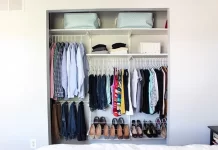
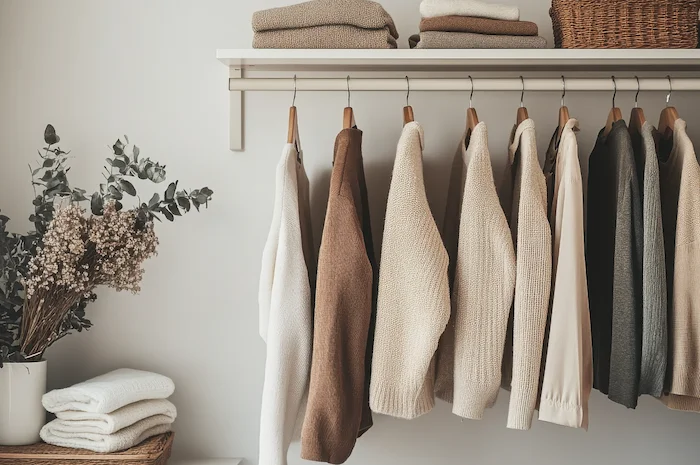
Minimalism in fashion centers around simplifying your clothing choices to focus on quality, versatility, and purpose. The goal is to reduce excess, both in quantity and mental clutter, by curating a collection of garments that genuinely serve your lifestyle and taste. Instead of following every fleeting trend, a minimalist wardrobe prioritizes timeless pieces that can be mixed and matched effortlessly, leading to a cohesive and functional closet.
Benefits of a Minimalist Wardrobe
Many struggle daily with decision fatigue when choosing outfits or feel overwhelmed by overflowing closets filled with rarely worn clothes. A minimalist wardrobe solves these problems by saving time spent on outfit selection and reducing clutter that makes your space feel chaotic. Beyond convenience, a streamlined closet can lower stress and create a sense of order at home. Environmentally, owning fewer but better-quality items encourages more sustainable choices and less textile waste.
Steps to Build Your Minimalist Wardrobe
Assessing Your Current Closet
Before building a minimalist wardrobe, it’s essential to understand what you currently own and how it serves you. Many people find multiple items unworn simply because they don’t fit well or aren’t comfortable. Start by taking a close look at your favorite outfits to identify any common traits—these may reveal your true style preferences and practical needs. Paying attention to fabrics that feel good and suit your climate, like cotton or linen, can also guide better future purchases.
Decluttering: What to Keep and What to Let Go
A critical part of building a minimalist wardrobe is decluttering, but deciding which pieces to keep and which to discard can be challenging. Clothing that you rarely wear often signals misfits in style, comfort, or versatility. It’s important to distinguish between admiring a style and genuinely wanting to wear it regularly. Moreover, avoid holding onto items that require special undergarments you don’t own or pieces that prioritize trendiness over comfort. Being honest in this step helps prevent accumulating clutter again.
Identifying Your Personal Style and Color Palette
Creating a minimalist wardrobe relies heavily on knowing what truly suits you. By observing your preferred outfits, you can extract fashion rules or formulas that reduce decision fatigue—consider adopting a personal uniform or repeated outfit combinations. Choosing a consistent color palette, especially neutral tones such as black, white, beige, navy, and gray, simplifies mixing and matching. This approach helps ensure all your items coordinate easily and reflect your authentic style without excess thought.
Choosing Versatile and Timeless Pieces
Key Wardrobe Staples Every Minimalist Needs

Minimalism doesn’t mean sacrificing style—it means focusing on core essentials that work across many occasions and seasons. Classic items like a well-fitted pair of jeans, a white tee, a neutral sweater, a tailored blazer, and the little black dress are foundational. These pieces create a flexible base to build outfits that suit work, casual outings, or formal events, reducing the need for excessive specialty garments.
How to Mix and Match for Maximum Outfit Options
The true power of a minimalist wardrobe lies in the ability to interchange pieces freely. When your clothing shares a harmonized color scheme and similar style level, coordinating outfits becomes intuitive. Layering basics with statement accessories or shoes allows you to transform looks without buying more clothes. This strategy not only saves money but also avoids waste by fully utilizing every item you own.
Maintaining Your Minimalist Wardrobe Over Time
Seasonal Wardrobe Reviews
Even with a curated wardrobe, it’s important to revisit your collection each season to ensure it continues to meet your needs. Periodic reviews help identify worn-out items that may require replacement and reveal garments you no longer wear, preventing buildup over time. You can utilize local textile recycling programs to responsibly dispose of unwanted fabrics or consider eco-friendly junk removal services to minimize landfill waste, maintaining both your closet and environmental mindfulness.
Shopping Mindfully to Avoid Clutter
A minimalist wardrobe demands intentional shopping habits. Instead of impulse buying, evaluate each potential purchase carefully by asking if it fits your style, feels comfortable, and works with your existing collection. Borrowing or renting clothes for one-off events is a practical way to avoid unnecessary additions. Prioritizing comfort over trends ensures that what you buy will be worn frequently, keeping your closet lean and purposeful.
Time-Saving Tips with a Minimalist Wardrobe
Streamlining Your Morning Routine
One of the most significant benefits of a minimalist wardrobe is the reduction in time spent choosing outfits each day. By establishing outfit formulas or a personal uniform, you eliminate the uncertainty that causes morning stress. Knowing your clothes all coordinate smoothly means you can quickly assemble a polished look without second-guessing, freeing up time for your other priorities.
Efficient Packing for Travel
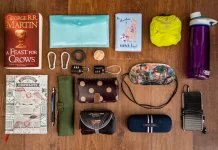
Travel often requires thoughtful packing, but a minimalist wardrobe simplifies this process. When your clothing is versatile and season-appropriate, you can create multiple outfits from fewer items. Choosing pieces that layer well and serve various occasions lets you pack light without sacrificing style. This efficiency reduces luggage bulk and makes travel more enjoyable and less stressful.