

















Understanding the Importance of Prioritizing Repairs in Older Home Renovations
Key Challenges in Renovating Older Homes
Renovating an older home comes with a unique set of challenges that can significantly impact both the timeline and budget of your project. Unlike new constructions, older homes often have hidden issues such as outdated wiring, compromised structural elements, or obsolete plumbing. These factors may not be immediately apparent until you begin work, complicating decision-making and resource allocation.
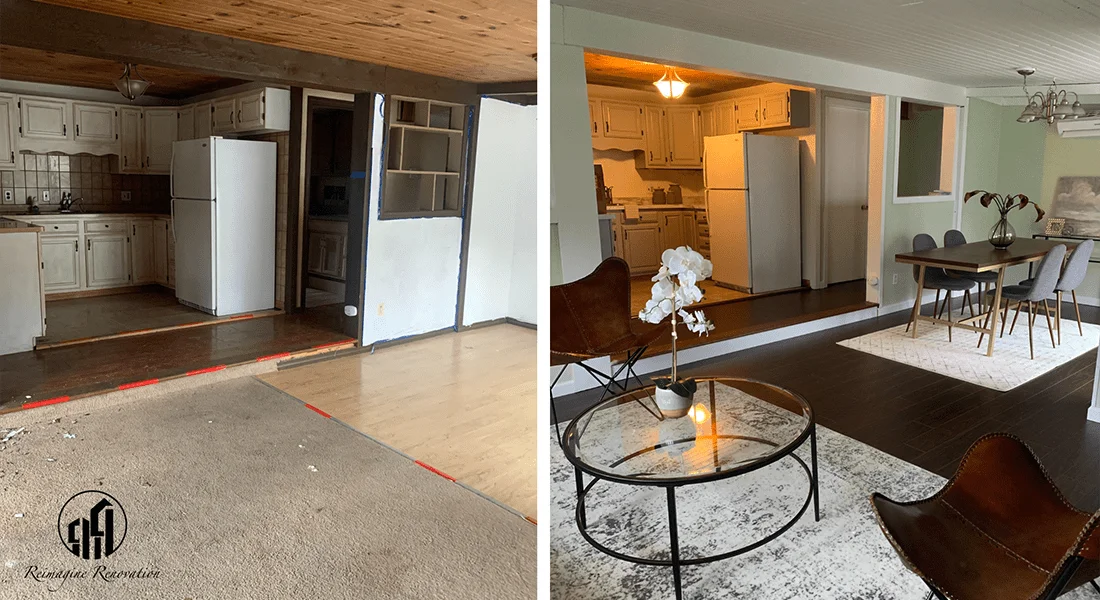
Further complexity arises due to the need to balance maintaining historic character with upgrading to modern standards. This can affect choices related to materials and repair methods. Understanding these challenges early on helps in setting realistic expectations and preparing a flexible budget.
How Prioritization Impacts Budget Efficiency
Prioritizing repairs effectively is essential for maximizing your renovation budget. When you focus on the most critical issues first, you prevent small problems from escalating into costly damages, ultimately saving money. This approach also ensures that resources are not wasted on cosmetic changes before resolving foundational problems that could undermine the home’s safety and functionality.
Additionally, systematic prioritization allows you to plan expenditures in stages, which can ease financial pressure and avoid overwhelming disruption. By tackling repairs in a logical order, homeowners can maintain a balance between urgent needs and aesthetic improvements without exhausting their budget prematurely.
Assessing the Condition of Your Older Home
Conducting a Thorough Home Inspection
Before any renovation work begins, it is crucial to conduct a comprehensive home inspection. This step serves as the foundation for effective prioritization. A detailed inspection identifies existing problems and potential risks, informing you about areas that require immediate attention. It is often advisable to hire an experienced inspector familiar with older properties to ensure nothing is overlooked.
The inspection should cover critical systems such as the foundation, roofing, electrical wiring, plumbing, and HVAC. Documenting the condition of these components helps create a prioritized list of repairs aligned with their impact on safety and functionality.
Identifying Structural vs. Cosmetic Issues
Not all repairs carry the same weight in terms of urgency and cost. Distinguishing structural issues from cosmetic ones is a vital step in setting priorities. Structural problems include foundation cracks, sagging beams, or compromised load-bearing walls, which threaten the home’s stability. These require immediate attention to avoid further damage or safety hazards.
Cosmetic issues, such as peeling paint, outdated fixtures, or minor surface cracks, generally pose no immediate danger and can be scheduled later once the home’s core systems are secure. Prioritizing repairs in this way ensures that your budget is directed toward essential fixes first.
Critical Repairs to Address First
Foundation and Structural Integrity
The foundation is the backbone of any home. In older houses, foundation problems are common and can lead to serious consequences if neglected. Addressing cracks, settling issues, or moisture intrusion in the foundation must be your top priority. Repairing or reinforcing structural elements ensures the safety of occupants and protects the property’s value.
Ignoring foundation issues can result in costly damage to walls, floors, and ceilings, turning a manageable fix into a financial burden. Early investment in foundation repairs pays off by preventing a chain reaction of further structural degradation.
Electrical and Plumbing Systems
Outdated electrical and plumbing systems pose both safety hazards and functional challenges in older homes. Faulty wiring can lead to fire risks, while old plumbing pipes may cause leaks, water damage, or contamination. Prioritizing updates or repairs to these systems is critical to protect your family and avoid expensive emergency repairs down the line.
Modernizing electrical outlets, circuit breakers, and plumbing fixtures not only improves safety but can also enhance energy efficiency and water conservation, leading to long-term savings.
Roof and Water Damage Prevention
A reliable roof is essential to prevent water infiltration, which can cause extensive damage to the home’s interior and structure. Inspecting the roof for missing shingles, leaks, or damaged flashing is crucial. Addressing these issues early stops water from seeping into walls, causing mold, rot, or weakened framing.
Proper drainage and gutter maintenance also play a role in water damage prevention. By focusing on the roof and related systems early, you protect your investment and avoid costly repairs associated with prolonged moisture exposure.
Allocation of Budget for Secondary Repairs
Heating, Ventilation, and Air Conditioning (HVAC) Upgrades
Once critical safety and structural repairs are handled, directing some of your budget toward HVAC improvements makes sense. Older heating and cooling systems may be inefficient or unreliable, leading to higher utility bills and discomfort. Upgrading to modern, energy-efficient units can enhance indoor air quality and overall home comfort.
Strategically scheduling these upgrades after addressing foundational concerns ensures your investment supports a safe and livable environment without compromising essential repairs.
Insulation and Energy Efficiency Improvements
Enhancing your home’s insulation is another valuable secondary investment. Many older homes lack adequate insulation, resulting in heat loss during winter or excessive heat in summer. Improving insulation not only reduces energy consumption but also increases the home’s value and comfort.
Consider sealing drafts, upgrading window treatments, or installing better insulation materials. These steps contribute to long-term savings and align well with other efficiency upgrades like HVAC improvements.
Planning for Cosmetic and Aesthetic Enhancements
Flooring, Paint, and Wall Repairs
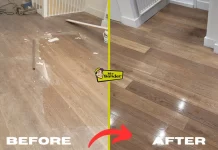
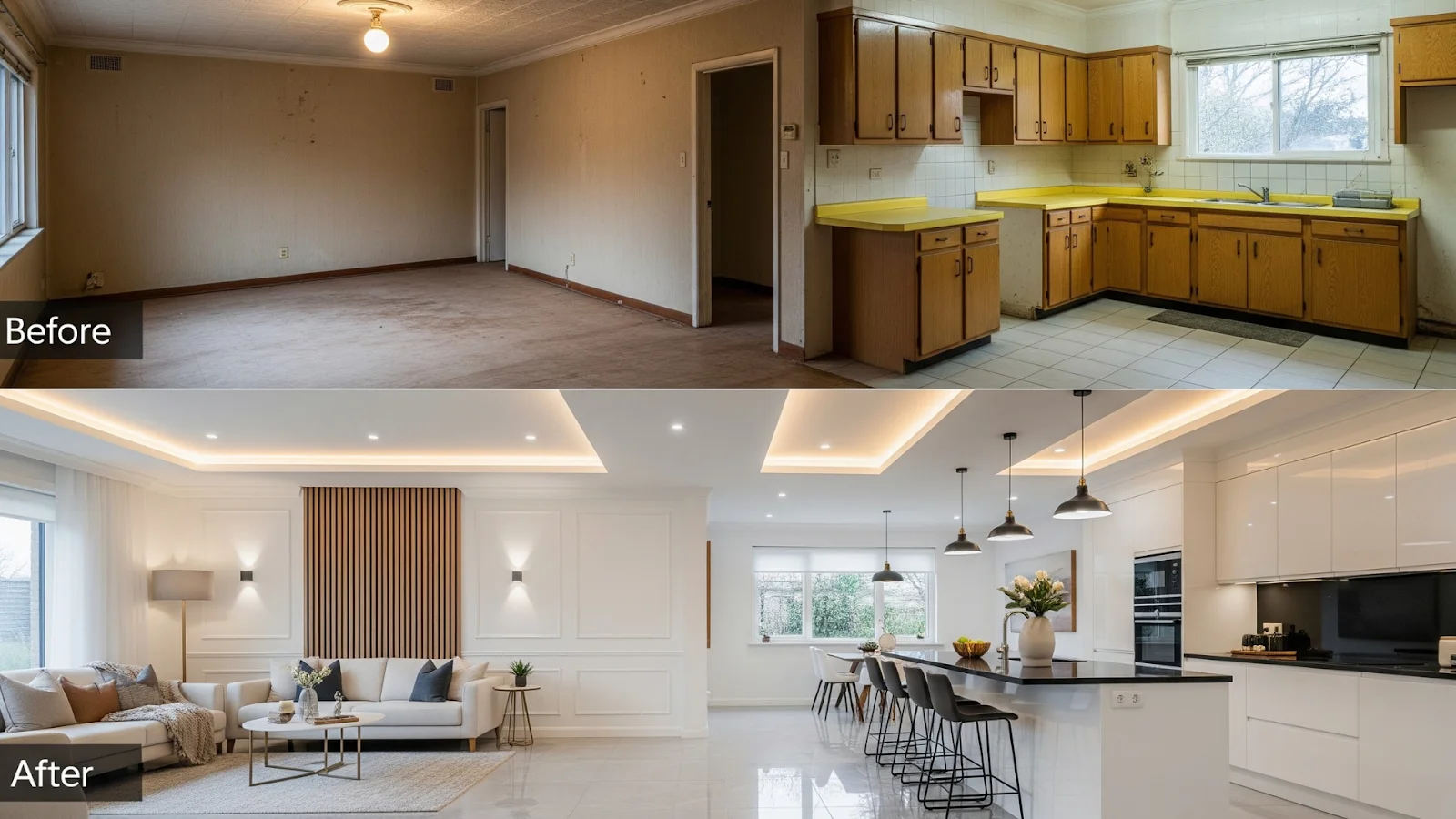
After resolving structural and system-related issues, you can turn your attention to cosmetic updates. Flooring replacement or refinishing, wall repairs, and fresh paint transform your space and personalize the home to your taste. These improvements enhance the home’s visual appeal but should be reserved for later stages to avoid damage from ongoing repairs elsewhere.
Careful planning will allow these changes to be completed efficiently, minimizing overlap with construction dust, repairs, or other disruptions.
Fixtures and Finishes
Updating fixtures such as lighting, cabinetry hardware, and bathroom fittings adds the finishing touches that bring a renovated home together. These elements offer opportunities to blend style with function and reflect your lifestyle preferences without straining your budget.
Choosing durable, cost-effective options ensures these enhancements complement your renovation without necessitating frequent replacements or repairs.
Strategic Tips to Maximize Your Renovation Dollar
Prioritize High-Impact Repairs
Focusing your budget on repairs that significantly affect safety and longevity is the best way to stretch your renovation dollars. This includes structural fixes, electrical and plumbing updates, and moisture control systems. Prioritizing these high-impact areas prevents further deterioration and reduces the likelihood of emergency spending.
It is also wise to reassess your priorities as the work progresses. Flexibility enables you to respond to unexpected discoveries without derailing your financial plan.
DIY vs. Professional Services: When to Save or Spend
Renovating an older home often involves a mix of professional work and DIY projects. While many cosmetic tasks like painting or minor repairs can be tackled yourself to save money, critical repairs involving foundational work, electrical, or plumbing should always be handled by licensed professionals. Attempting these yourself can be dangerous and may void insurance coverage.
Using free consultations from contractors can help you determine which projects are suitable for DIY and where professional expertise is necessary. This balanced approach safeguards your investment and maximizes both safety and budget efficiency.
Case Studies: Successful Prioritization in Older Home Renovations
Consider the example of a homeowner who discovered significant foundation cracks during their initial inspection. By investing their budget primarily in foundation repair and roof replacement first, they prevented water damage and structural failure. Only after these were secured did they proceed with cosmetic upgrades such as new flooring and kitchen cabinetry, resulting in a well-preserved, beautiful home.
In another case, a family focused on upgrading outdated electrical and plumbing systems before tackling any aesthetic improvements. This approach eliminated safety hazards and reduced unexpected costs, allowing them to spread renovation expenses over time without compromising quality.
These examples highlight the practical benefits of disciplined prioritization—building a secure foundation before layering on comfort and style.
Conclusion: Balancing Safety, Functionality, and Style in Older Home Renovations
Renovating an older home requires careful consideration and clear prioritization to make the most of your budget. Starting with safety and structural repairs protects your investment and ensures a stable living environment. Following up with system upgrades and energy efficiency improvements enhances functionality and long-term savings.
Finally, addressing cosmetic and aesthetic enhancements brings personality and warmth to your space, completing your vision. By planning strategically and balancing these elements step by step, you can enjoy a renovated home that is safe, comfortable, and stylish without overspending or unnecessary stress.