




















Understanding Mold Development in Bathroom Environments
What Causes Mold Growth in Bathrooms?
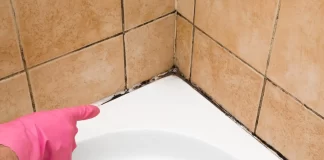
Mold thrives in damp, warm environments—and bathrooms are often the perfect breeding ground. After a hot shower or bath, the air becomes saturated with moisture. When this water vapor lingers on walls, ceilings, and fixtures, it creates the dampness mold needs to grow. Even small amounts of residual water can encourage spores to settle and multiply. Homeowners often notice mold forming around grout lines, vents, or the edges of bathtubs, which is a telltale sign that moisture control has failed somewhere.
The Role of Ventilation in Mold Prevention
Proper ventilation is the unsung hero in preventing bathroom mold. By efficiently removing moist air and replacing it with dry air, ventilation reduces the humidity that mold spores depend on. Without adequate airflow, moisture stays trapped, leaving surfaces perpetually damp. This creates an ideal environment for mold colonies to establish and expand. In homes where ventilation is compromised, mold growth is not just common—it’s almost inevitable.
Common Ventilation Issues That Encourage Mold
Inadequate Exhaust Fans and Their Impact
Many bathrooms are equipped with exhaust fans, but insufficient fan capacity is a frequent problem. Imagine a large bathroom serviced by a small, underpowered fan running at half the recommended airflow. The fan fails to clear the moist air properly, allowing humidity to build. Over time, this leads to persistent dampness and eventual mold growth. It’s like trying to clear fog with a weak breeze—you need the right amount of suction to keep the space dry.
Poor Window Ventilation and Airflow Restrictions
In homes with windows in the bathroom, neglecting to open them regularly is a missed opportunity for natural ventilation. Even in winter, a brief window opening can significantly reduce moisture levels. Furthermore, some bathrooms have windows that are blocked by curtains, blinds, or furniture, restricting airflow. This restricted ventilation means the bathroom air remains stagnant, increasing the risk of mold settling in hidden corners.
Blocked or Dirty Vent Ducts
Vents that lead outside can become clogged with dust, lint, or even insect nests over time. One homeowner found their bathroom exhaust fan was running, but moisture still lingered. Upon inspection, they discovered the ductwork was partially blocked by debris, preventing effective air removal. When ducts are obstructed, the exhausted air has nowhere to escape, rendering the ventilation system ineffective and allowing mold to flourish unseen.
Step-by-Step Guide to Diagnosing Bathroom Ventilation Problems
Inspecting Exhaust Fan Performance
Start by turning on your bathroom exhaust fan and placing a piece of lightweight toilet paper near the grille. If the paper doesn’t stick to the fan or get pulled in steadily, the fan may be underperforming. Next, note if the fan is noisy or if it shuts off unexpectedly, which could indicate internal mechanical issues. Testing these basic functions helps determine if the fan needs repair or replacement before moisture problems worsen.
Checking for Visible Airflow Obstructions
Take a close look at all accessible vent ducts. Use a flashlight to peek into the duct openings for visible blockages like dirt buildup or nests. If ducts run through attic spaces or crawl spaces, inspect those areas for kinks or collapses in ductwork that could hamper airflow. Sometimes the source of poor ventilation isn’t just the fan itself but the path the air must travel to exit the home.
Evaluating Humidity Levels and Moisture Accumulation
Deploy a simple hygrometer inside the bathroom to monitor humidity over several days, especially after showers. Ideally, levels should stay below 50%. Persistent readings above this threshold suggest ventilation is insufficient. Additionally, check for water stains, condensation on windows or mirrors, and musty odors—these clues often accompany unseen moisture accumulation and mold onset.
Effective Repair and Improvement Solutions
Installing or Upgrading Exhaust Fans
Choosing the right exhaust fan is crucial. A homeowner with a cramped bathroom initially installed a small 50 CFM fan, which failed to remove humidity effectively. Upon measuring their bathroom at 70 square feet, they upgraded to a 70 CFM fan following the guideline of one CFM per square foot. This simple adjustment dramatically lowered moisture levels and stopped mold from returning. Newer fans with humidity sensors and timer switches can further optimize performance by running exactly when needed.
Cleaning and Unblocking Vent Ducts
Cleaning vent ducts may require professional help, especially if they run long distances or through difficult-to-reach areas. Regular maintenance, such as vacuuming accessible vents and removing debris, is often enough to restore airflow. One family’s persistent mold problem vanished after they hired a duct cleaning service that removed years of accumulated lint and dust, allowing the fan to operate at full capacity once again.
Enhancing Natural Ventilation Through Windows
Encouraging natural airflow by opening windows, even slightly, can supplement mechanical ventilation. Especially in milder climates, this strategy can keep humidity levels in check. For bathrooms without exhaust fans, opening a window during and after showering is essential. To keep this habit consistent, homeowners often find it helpful to place reminders or install screen door latches that keep windows partially open safely.
Long-Term Preventative Maintenance Strategies
Routine Fan Cleaning and Maintenance
Just like any appliance, exhaust fans require regular upkeep. Removing dust from the fan blades and grille every few months maintains airflow efficiency and extends fan lifespan. Skipping this simple step can allow dust to accumulate, constrict air movement, and eventually cause motor burnout, leaving your bathroom vulnerable to mold indefinitely.
Using Dehumidifiers and Moisture Absorbers
In bathrooms where ventilation improvements are limited, portable dehumidifiers or moisture absorbers can be lifesavers. These devices actively reduce humidity and provide an additional layer of mold prevention. For example, a homeowner living in a humid climate used a small dehumidifier in their bathroom during rainy seasons, effectively halving the number of mold occurrences compared to previous years.
Regular Monitoring of Bathroom Humidity
Keeping tabs on humidity is a proactive approach that prevents problems before they start. Investing in a digital hygrometer and checking it weekly helps homeowners adjust ventilation habits accordingly. If humidity spikes are noticed, running the exhaust fan longer or opening windows can quickly restore balance.
Additional Tips to Minimize Mold Risk Beyond Ventilation
Proper Shower and Bath Usage Habits
The way bathrooms are used can impact mold development just as much as ventilation quality. Simple behaviors like wiping down wet surfaces after use, keeping shower doors open to air out, and avoiding bath mats that trap moisture on the floor can reduce dampness. One family noticed that their stubborn mold problem improved significantly after they started squeegeeing their shower walls daily and leaving the door ajar.
Materials and Finishes That Resist Mold Growth
When renovating or updating your bathroom, opting for mold-resistant paints, grout, and drywall can add an extra shield against mold growth. These materials are designed to inhibit spore colonization and are valuable in spaces prone to moisture. Real-life experiences show that bathrooms finished with antimicrobial paints or epoxy grout stay cleaner and mold-free longer, even under less-than-ideal ventilation conditions.