




















Understanding Lightweight Fabrics for Transitional Seasons
Characteristics of Lightweight Materials
When seasons shift from spring into summer, dressing comfortably means understanding the qualities that make fabrics suitable for this transition. Lightweight fabrics are those that offer breathability and softness without adding unnecessary bulk. They allow air to circulate, helping regulate body temperature as the weather fluctuates. Unlike heavy winter materials, these fabrics should feel gentle against the skin and dry quickly to keep you comfortable throughout unpredictable days.
Popular Fabrics for Spring and Summer
Natural fibers are often the go-to choices for lightweight layering. Materials such as linen and modal offer excellent breathability, while plant-based fabrics like TENCEL™ bring moisture-wicking properties to the table. Merino wool, surprisingly, isn’t just for cold weather; its fine fibers provide warmth in cooler moments but remain lightweight enough for spring. With these options, you get the best of both worlds—comfort and style that adapt seamlessly.
Principles of Effective Layering
Balancing Warmth and Breathability
Effective layering is an art that balances keeping warm without causing overheating. It’s not about piling on bulk but choosing fabrics and weights that work together. Opt for base pieces that sit close to the skin and breathe easily, allowing moisture to escape. Mid layers should add gentle warmth while still being light enough to remove if the day heats up. The goal is onion-like layers that can be peeled off or put on as the weather demands.
Choosing Complementary Textures and Colors
Layering isn’t just practical—it’s a chance to get creative. Combining different textures adds visual interest and depth to your outfit. Think soft cotton tees under a slightly rough linen shirt or a silky modal blouse beneath a knit cardigan. Color coordination also plays a vital role; neutral tones provide versatility, but don’t shy away from pops of pastel or earthy hues that feel fresh for spring. The right mix can elevate simple layers into a polished look.
Step-by-Step Guide to Layering Lightweight Pieces
Base Layers: Selecting the Right Foundation

Start with your base layer. This is the garment closest to your skin, so comfort is key. Choose lightweight, breathable materials like cotton, TENCEL™, or modal that ensure softness without trapping heat. A well-fitted tank top, a thin long-sleeve, or a simple tee works perfectly here. This layer should feel like a second skin, keeping you cool and dry even as the day warms up.
Mid Layers: Adding Style Without Bulk
Next comes the mid layer, which provides warmth and adds texture to your outfit. Lightweight knitwear, cardigans, or thin sweaters made from natural fibers are excellent choices. They are breathable yet insulating, perfect for mornings when temperatures dip. You want to avoid anything too thick or heavy—your goal is to refine the silhouette, not overwhelm it. Picking versatile pieces here can also allow you to mix and match looks throughout the season.
Outer Layers: Practical Yet Chic Finishing Touches
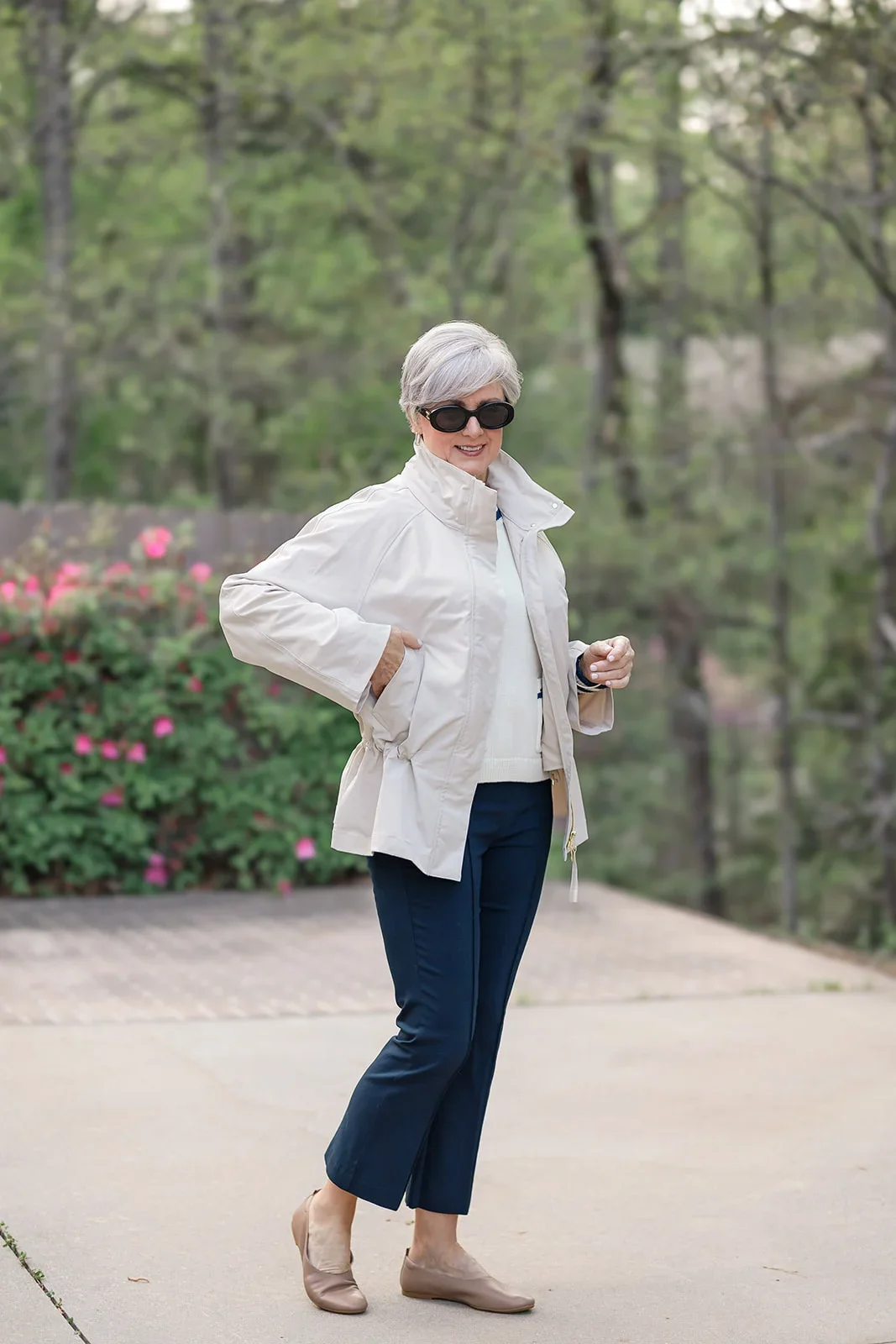
Finally, consider your outer layer, which offers protection against wind, light rain, or chill while maintaining breathability. A linen blazer, a cotton trench, or a lightweight jacket can serve this purpose well. Look for pieces that can be easily removed or tied around the waist when the sun comes out. This layer should bring your outfit together, balancing comfort with a touch of polish.
Styling Ideas for Various Occasions
Casual Daytime Looks
For a laid-back spring day, layering a soft cotton tee under an open linen shirt paired with lightweight trousers creates effortless style. If it’s cooler, throw on a light cardigan or a denim jacket. Finish with simple sneakers or sandals. The key is to keep the layers relaxed and breathable, allowing you to enjoy the fresh air without feeling weighed down.
Office-Appropriate Ensembles
Transitioning your layers into the office calls for more structured pieces that retain comfort. A fitted modal blouse beneath a fine-knit cardigan, topped with a tailored linen blazer, strikes the right balance between professional and breathable. Neutral tones like beige, white, or soft gray help keep the look cohesive and polished. Pair this with lightweight slacks or a midi skirt to maintain a sleek silhouette.
Evening and Social Event Outfits
When it’s time for evening plans, layering can still keep you comfortable without sacrificing style. A silky camisole base under a delicate knit sweater or a light jacket works wonderfully. Adding subtle accessories and choosing pieces with a bit of sheen or texture enhances the outfit’s sophistication. Opt for versatile layers that can be removed as the temperature rises or if you’re moving between indoor and outdoor settings.
Maintaining Comfort Throughout the Day
Adapting Layers as Temperatures Change
The beauty of layering lightweight fabrics is their adaptability. Carrying a thin cardigan or a scarf in your bag gives you the flexibility to respond to shifting temperatures. Start your day with all layers in place and shed as needed. Keeping your layers easy to remove or add ensures you stay comfortable without having to compromise your look.
Tips for Staying Cool Without Sacrificing Style
To stay cool, focus on fabrics that breathe and avoid tight styles that restrict airflow. Light colors reflect sunlight and help regulate body temperature better than dark ones. Remember, layering smart isn’t just about piling on clothes—it’s about thoughtful combinations that work with the weather, not against it. With well-chosen lightweight pieces, you can enjoy the best of spring and summer in comfort and style.