


















Understanding the Basics of Foil Wrapping for BBQ Meat
Why Foil Wrapping is Important in BBQ
Foil wrapping is a common technique used in BBQ to lock in moisture and speed up the cooking process, especially during the later stages. Imagine you’re smoking a brisket low and slow; wrapping it in foil can help push through the stall—where the meat temperature seems to plateau—by trapping heat and steam. This results in tenderness and juiciness that dry heat alone can’t always achieve. Many pitmasters rely on foil to create that tender, pull-apart texture that defines great BBQ.
Types of Foil to Use for Best Results
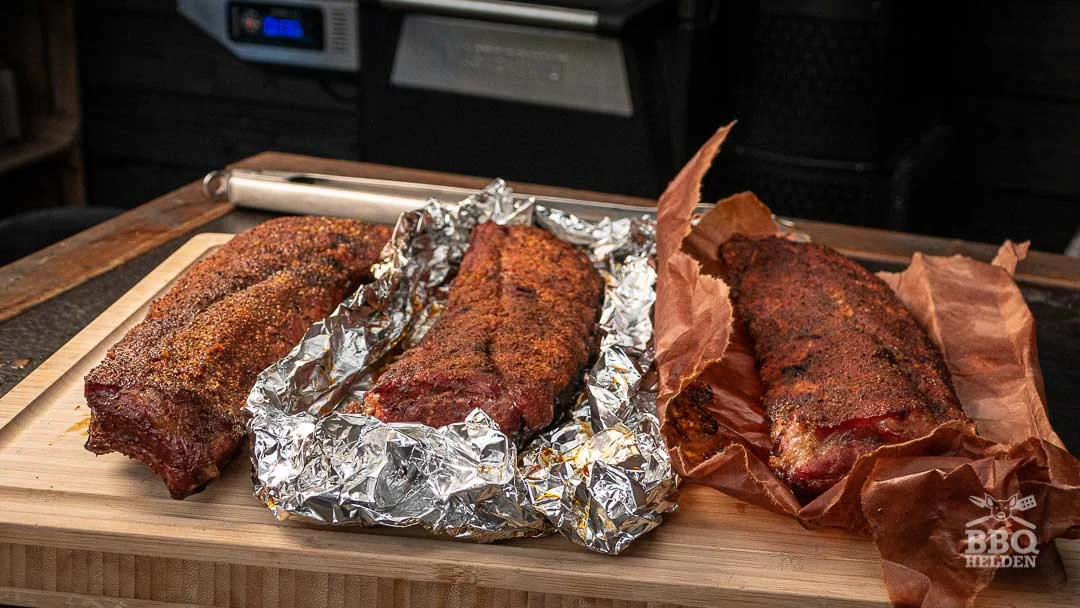
Choosing the right foil can make a difference. Heavy-duty aluminum foil is preferred because it withstands long cooking times without tearing and provides a reliable seal. Standard, thinner foil may break down or create holes, letting steam and juices escape. Some BBQ enthusiasts also double-wrap meat for extra security. A well-chosen foil helps ensure that flavors remain locked in and cooking messes are minimized.
Common Mistakes to Avoid When Wrapping Meat
A common error is wrapping all smoked meats indiscriminately in foil. For example, ribs benefit from a less-tight wrap or no wrap at all to keep the crisp bark intact. Overusing foil can create a “steamed” effect that results in mushy bark and loss of smoky crust. Another mistake is spritzing wrapped pork shoulder excessively—this moisture can soften the crust instead of enhancing it. Finally, not adjusting your wrapping approach based on meat type and cook duration can lead to subpar results, such as drying out meats or stalling flavor development.
Step-by-Step Guide to Perfectly Wrapping Meat in Foil
Preparing the Meat for Wrapping
Before wrapping, seasoning the meat with rubs or marinades is essential. Let’s say you’re working with a pork shoulder; applying a dry rub a few hours ahead allows the flavors to penetrate the meat. Also, trim the fat cap moderately to avoid excessive dripping that can cause flare-ups or soggy bark. Once the meat has rested and absorbed the seasoning, you’re ready to wrap it.
Choosing the Right Foil Size and Technique
Pick a piece of foil large enough to wrap the meat loosely but securely—think of folding it like a burrito rather than clamping it down tight. This method gives meat room to expand gently while still capturing its juices. For thick cuts, using heavy-duty foil with some extra length to fold over twice can prevent accidental leakages. Having the right size prevents tearing during handling or cooking.
Sealing Tips to Retain Juices and Flavor
The key to sealing foil is folding the edges tightly without crushing the meat. Begin by folding the foil edges in on themselves like sealing an envelope, which traps steam inside. Avoid piercing through the foil with utensils or sharp edges that can cause leaks. Some pitmasters recommend folding over the edges twice to create a secure pocket. This approach ensures the flavorful juices stay encapsulated, resulting in moist, flavorful meat when you unwrap.
Techniques to Enhance Flavor Retention While Using Foil
Using Marinades and Rubs Before Wrapping
Flavor starts before the meat hits the foil. Using marinades or dry rubs intensifies the meat’s taste while preserving its natural essence inside the foil wrap. One example is adding a blend of paprika, cumin, and brown sugar to ribs before wrapping. This not only boosts taste but also forms a crust when you unwrap and finish the ribs on the grill. Be cautious with injected marinades—overdoing sugary syrups can mask the authentic pork flavor rather than complement it.
Adding Aromatics Inside the Foil Packet
To amplify flavor retention, including aromatics such as garlic cloves, sliced onions, or fresh herbs inside the foil can create subtle layers of taste. When the foil traps moisture and smoke, these aromatics infuse the meat gently. A common practice with brisket is sliding in a couple of smashed garlic cloves or sprigs of rosemary before wrapping. The sealed environment helps those flavors penetrate without overwhelming the primary meat taste.
Controlling Heat and Timing for Optimal Results
The timing of when you wrap meat influences flavor. For instance, wrapping brisket at the right moment—usually when it hits an internal temperature around 165°F—helps push through the stall while maintaining bark integrity. Wrapping too early can cause a steamed effect and loss of crust, while waiting too late may dry out the meat. Similarly, controlling the smoker temperature (typically around 225–250°F) ensures foil-wrapped meat cooks evenly without burning or drying.
Alternative Wrapping Materials and Methods
Butcher Paper vs. Aluminum Foil: Pros and Cons
Some BBQ purists prefer butcher paper over foil, especially for cuts like brisket and pork shoulder. Butcher paper allows smoke to penetrate while retaining meat juices, resulting in a bark that’s less steamed and more textured. However, it doesn’t trap moisture as tightly as foil, so meats take longer to cook and may be less tender. On the other hand, foil is excellent for accelerating the cooking process and keeping meat juicy but risks softening bark if wrapped too tightly or too soon.
Using Perforated Foil for Smoke Penetration

Perforated foil is another alternative where small holes allow smoke and heat to circulate while still keeping the meat relatively moist. This can offer a balance between the steamed effect of foil and the open exposure of unwrapped meat. BBQ fans sometimes use this technique for ribs or smaller cuts where maintaining bark texture is important but some moisture retention is desired.
Combining Foil with Other Cooking Techniques
Many pitmasters use a hybrid approach—starting meat unwrapped to build smoke flavor and bark, then wrapping partway through the cook to lock in juices. After unwrapping near the end, they may finish on direct heat to reseal a crispy crust. For instance, pork ribs commonly benefit from this method: slow smoke wrapped phase followed by a final unwrapped grill session to create a crisp bark that’s both flavorful and moist.
Troubleshooting: How to Fix Common Foil Wrapping Problems
Dealing with Dry Meat
If your wrapped meat turns out dry, the culprit is often overcooking or wrapping too late to retain juices. To prevent this, monitor the internal temperature with a reliable probe. Another tip is to leave some space inside the foil packet for steam to circulate, preventing the meat from “steaming” excessively and collapsing. If dryness occurs, a quick spritz of broth or a mop sauce after unwrapping can revive moisture before serving.
Foil Tears and Leaks: Preventive Measures
Foil tears lead to escaped juices and loss of flavor. Avoid this by using heavy-duty foil and double wrapping when cooking large or fatty cuts. Also, be careful when placing and removing meat from the smoker—gentle handling reduces punctures. Wrapping meat over a clean, flat surface ensures a tight seal without weak spots. If you notice foil damage mid-cook, carefully patch with an extra piece of foil without disturbing the meat.
Preserving Smoke Flavor Despite Wrapping
One concern with foil wrapping is losing the beloved smoky taste. To combat this, spend ample time smoking the meat unwrapped at the start—letting the surface absorb smoke before sealing it. Some pitmasters recommend butchers paper for maintaining smoke penetration combined with foil during resting. Additionally, wrapping loosely rather than airtight allows some smoke to continue flavoring the meat even during the wrapped phase.