






















Introduction to Creamy Chicken Soup Without Cream
Why Choose a Cream-Free Version?
When craving a comforting bowl of creamy chicken soup, you might hesitate because of the heavy cream typically involved. Choosing a cream-free version not only lightens the dish but also makes it accessible for those with dairy sensitivities or looking to reduce saturated fat. Besides health reasons, a cream-free recipe often relies on natural ingredients for its richness, making the soup taste fresher and less heavy on the stomach.

Key Benefits and Flavor Profile
Without cream, the soup highlights the pure flavors of tender chicken, simmered vegetables, and fragrant herbs. The texture remains satisfyingly smooth and luxurious thanks to creative substitutes like pureed potatoes or blended veggies. These natural thickeners bring a wholesome quality, making the soup equally indulgent but lighter. The balance of savory broth with subtle earthiness from root vegetables creates a comforting, deep flavor profile that results in a nourishing meal.
Essential Ingredients for a Creamy Texture
Chicken and Broth Selection
Your choice of chicken plays a major role in flavor. Bone-in pieces tend to deliver a richer, more flavorful broth, thanks to the marrow and collagen released during cooking. Rotisserie chicken or leftover cooked chicken can work beautifully to save time, offering convenience without sacrificing taste. For the broth, homemade chicken stock is ideal, but good-quality low-sodium store-bought broth can be a reliable substitute. Using a smaller initial amount of broth allows you to control the soup’s thickness as you cook.
Vegetables that Enhance Creaminess
Potatoes are the unsung hero here, providing essential starch that thickens the soup naturally while adding a velvety mouthfeel. Yukon Gold or red potatoes are preferred options due to their texture—they hold their shape better and don’t absorb broth as much during storage. Onions, carrots, and celery not only lend body but also deliver a well-rounded flavor foundation. Cooking these veggies slowly in butter helps soften them and unlocks their depth, which is crucial before thickening the soup.
Alternative Creamy Agents: What to Use Instead of Cream?
Instead of heavy cream, many turn to ingredients like evaporated milk, cashew cream, or coconut milk for a creamy element without dairy. Each substitute brings its own nuance; for instance, cashew cream offers a mild, nutty richness, while coconut milk adds a slight sweetness. Blending cooked vegetables into the broth can create a luscious texture on its own, eliminating the need for any cream alternative altogether. Some cooks even use flour or a roux to thicken the base elegantly.
Preparation Steps Overview
Prepping the Chicken Perfectly
Start by trimming the chicken of excess fat and skin if you prefer leaner meat. If using raw chicken, poach it gently in broth to keep it tender and juicy. For quicker options, shred or dice leftover cooked chicken to toss in later. Remember to reserve any bones—adding them back to the pot during cooking extracts extra flavor. Just remove these before serving for a smooth eating experience.
Cooking the Vegetables to Maximize Flavor
Begin by sautéing diced onions, carrots, and celery in butter until they become soft and fragrant. This step is essential as it draws out natural sugars and creates a delicious base. After the vegetables have softened, sprinkle in flour and herbs to form a thickened mixture that enhances the texture. Slow cooking here is key—rushing can leave the flour taste raw and grainy.
Techniques to Achieve Creaminess Without Dairy
Using Pureed Vegetables and Blended Soup Base
One of the simplest methods involves pureeing a portion of the cooked potatoes and vegetables directly in the soup. This blends the texture seamlessly, eliminating the need for any dairy. The creamy consistency arises naturally, and you maintain full control over thickness and flavor. This technique also gives the soup a rustic, homemade feel.
Incorporating Coconut Milk, Cashew Cream, or Other Substitutes
For those open to non-dairy creams, adding coconut milk or cashew cream can elevate the soup’s decadence without overwhelming dairy richness. These options work well when added toward the end of cooking to prevent separation or curdling. Stir gently and warm through to combine flavors smoothly. Be mindful of the subtle tastes these bring; coconut milk can add a tropical hint, while cashew cream stays neutral.
Thickening Tips: Flour, Starches, and Other Options
Using butter combined with flour to create a roux is a classic way to build body in your soup. It’s important to cook the roux slowly with vegetables to avoid any raw flour flavor. Alternatively, potato starch or pureed cooked grains like rice or small pasta can also add thickness. When adding starches like tortellini or orzo, cooking them separately and adding them to individual bowls preserves the broth’s clarity and prevents it from becoming gummy in storage.
Step-by-Step Cooking Instructions
Step 1: Preparing Ingredients
Gather your chicken, vegetables, herbs, and chosen creamy agents. Dice onions, celery, carrots, and potatoes uniformly for even cooking. If using pasta or grains, measure and set aside for later steps. Keeping everything organized reduces stress as you cook.
Step 2: Building the Broth
Begin by simmering chicken pieces and bones in broth with aromatics like bay leaves and black peppercorns to deepen flavor. This stage helps extract richness, setting a savory foundation. Strain the broth if needed before proceeding.
Step 3: Creating the Creamy Base
Sauté vegetables in butter until tender, then add flour and herbs to form a roux base. Slowly whisk in the warm broth, stirring constantly to avoid lumps. Let this mixture simmer gently, allowing it to thicken naturally. Adding diced potatoes at this point ensures they cook through and contribute their creamy starch.
Step 4: Combining All Components
Remove chicken bones and return shredded or chopped chicken to the pot. Stir in any pureed vegetables or dairy-free cream substitutes carefully, warming everything evenly. This is also the time to add cooked grains or small pasta if desired. Make sure the soup holds a pleasant thickness, adjusting broth quantity as needed.
Step 5: Final Seasoning and Serving Suggestions
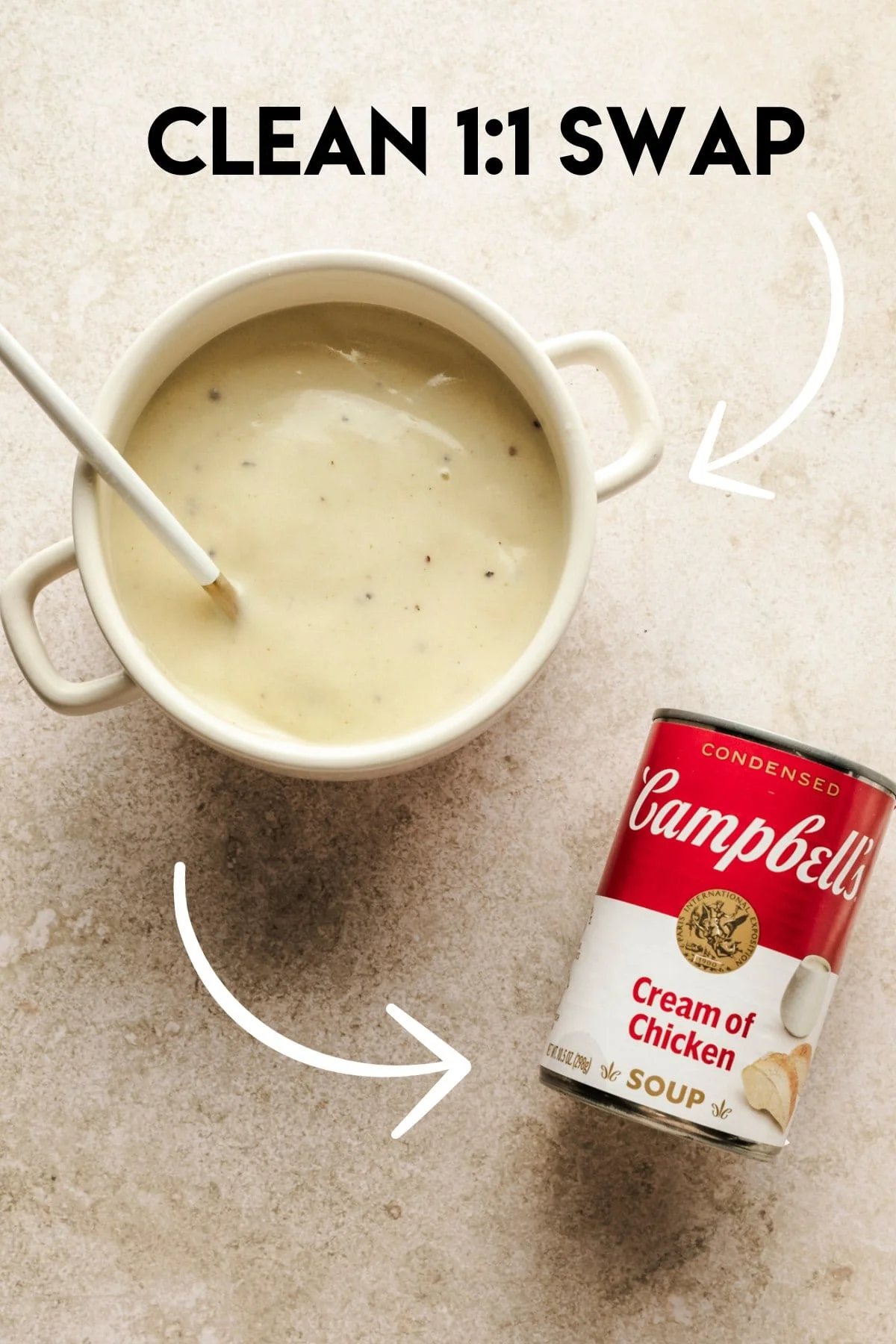
Taste the soup and adjust seasoning with salt, pepper, and finely chopped fresh parsley. For an added touch, sprinkle ranch oyster crackers or top with crispy bacon cooked first to infuse flavor into onions. Serve the soup alongside a fresh green salad and warm artisan bread or buttermilk biscuits for a complete, satisfying meal.
Variations and Flavor Customizations
Spice and Herb Options
Feel free to experiment with herbs like thyme, rosemary, or dill to shift the flavor profile. A pinch of smoked paprika can add warmth without overpowering. Since the recipe is forgiving, swapping herbs based on what you have on hand won’t derail the dish.
Adding Grains or Noodles
Small pastas such as orzo, shells, or ditalini make excellent additions, lending heartiness without absorbing too much broth when cooked separately. For gluten-free or lower-carb options, cooked rice or zoodles work beautifully tossed into the bowl after cooking.
Vegetarian-Friendly Modifications
To make this soup vegetarian, replace chicken broth with a rich vegetable broth and omit chicken. Use a combination of mushrooms and hearty root vegetables to build depth. Incorporating cashew cream or coconut milk will maintain the creamy quality without dairy or meat products.
Conclusion: Enjoying Your Creamy Chicken Soup Without Cream
Creating a creamy chicken soup without cream is both achievable and deeply rewarding. By relying on natural ingredients like potatoes and thoughtful cooking techniques, you get a nourishing, flavorful bowl that feels indulgent without the heaviness. Whether you’re aiming for a lighter meal, accommodating dietary needs, or simply exploring new ways to cook, this soup offers comfort and satisfaction, anytime. Don’t hesitate to make a double batch and freeze leftovers for busy nights—this recipe proves that creamy doesn’t always mean creamy from cream.