

















Understanding the Basics of Seasonal Watering for Vegetable Gardens
Growing a thriving vegetable garden requires more than just planting seeds and hoping for rain. Watering plays a crucial role, but it isn’t a one-size-fits-all task. Different seasons bring changing weather patterns that impact how and when your garden needs water. Understanding these seasonal variations is essential to maximize growth and avoid common pitfalls like overwatering or underwatering.
How Water Needs Vary Across Different Vegetables
Not all vegetables sip water the same way. For instance, leafy greens like lettuce and spinach thrive with consistent moisture, especially in their early stages, while fruits like tomatoes and peppers prefer slightly less frequent watering but deeper soaking. Root vegetables such as carrots need steady moisture to develop evenly but can suffer if the soil becomes waterlogged.
Picture a tomato plant in midsummer, wilting briefly during the hottest afternoon hours. This doesn’t always mean it’s thirsty; sometimes, it’s just conserving water. Observing these subtle signs helps in tailoring your watering schedule to the plant’s real needs.
The Role of Soil Type in Water Retention and Drainage
Imagine two gardeners: one tending sandy soil, the other managing clay-rich earth. The sandy soil drains water quickly, requiring more frequent watering to keep plants healthy. Clay soil, conversely, holds water longer but can retain too much, leading to root problems. Learning your soil type influences watering decisions immensely. Adding organic matter is a common remedy, turning poor soil into a sponge that holds moisture while allowing excess water to drain away.
Spring Watering Strategies to Promote Early Growth
As temperatures slowly rise in spring, vegetable gardens wake up from winter dormancy. This period demands special attention since young seedlings are delicate and respond differently to water than mature plants.
Adjusting Water Frequency with Temperature Changes
Early spring can present chilly mornings and warmer afternoons. During sudden warm spells, seedlings might dry out quickly, needing more frequent watering. Yet, cold nights and rainy days require cutting back to avoid soggy soil. A garden veteran I know checks soil moisture by feeling the soil about an inch deep—this simple method prevents unnecessary watering and ensures roots aren’t sitting in water.
Best Practices for Newly Planted Seeds and Seedlings
Seeds and seedlings require gentle but consistent moisture to encourage roots to grow downward. Instead of drenching the soil surface, using a spray bottle or watering can with a fine rose keeps soil from washing away. Seedlings are particularly vulnerable to drying out quickly under the sun, so morning watering followed by mulch application can create a protective barrier that retains moisture without suffocating tender roots.
Optimizing Summer Irrigation for Peak Vegetable Production
Summer is the time when your garden’s productivity peaks, but it’s also when water needs intensify due to heat and fast evaporation.
Techniques to Conserve Water During Hot Weather
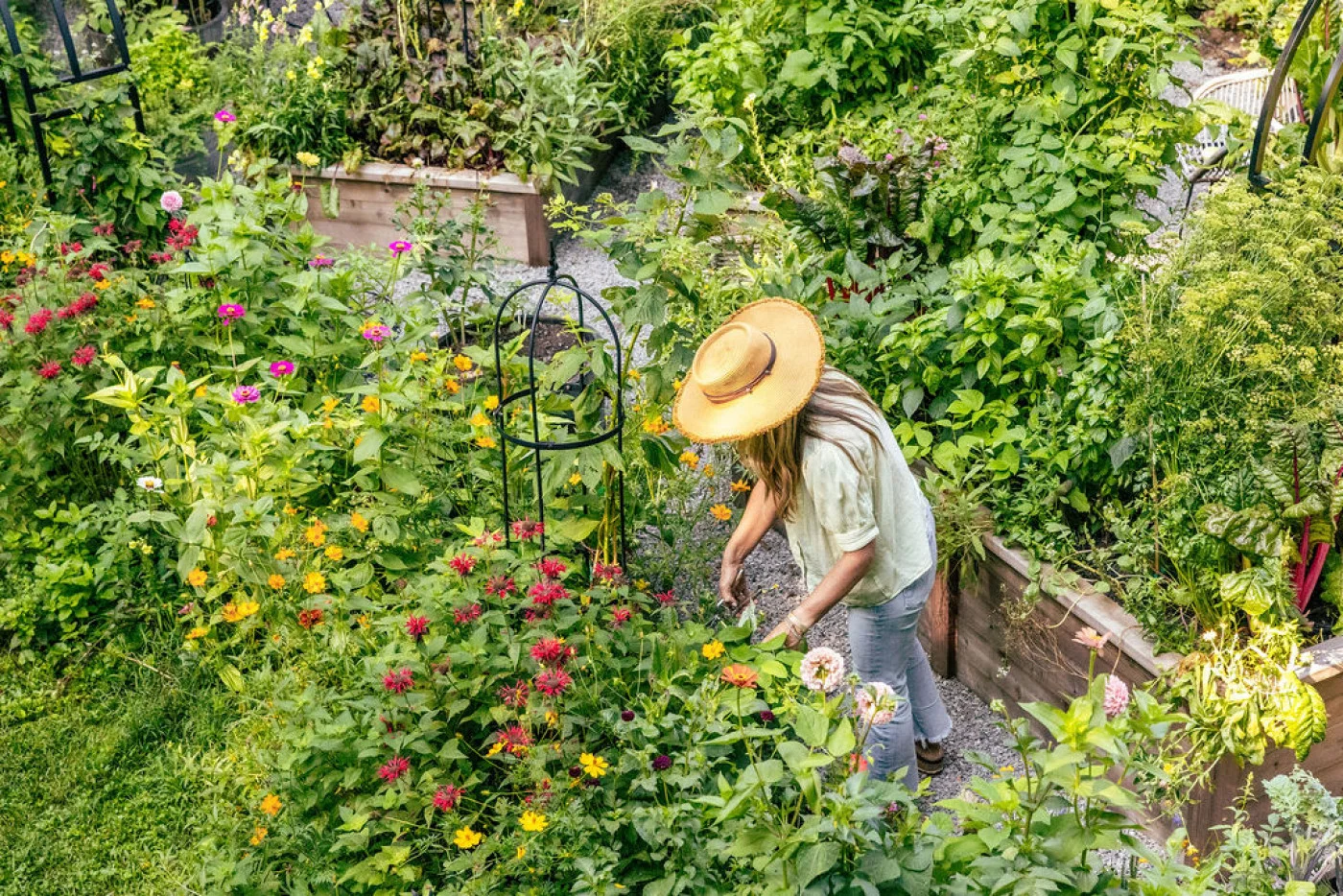
In the scorching heat, watering your vegetable garden can become a challenge. A technique to conserve water while ensuring your plants get enough moisture is deep watering. This involves saturating the soil at the root zone deeply and infrequently, which encourages roots to grow downward rather than near the surface. For example, watering with a soaker hose early in the morning minimizes evaporation losses and targets plant bases directly.
On particularly hot days, gardeners often notice wilting in the afternoon, leading them to water impulsively. However, this temporary wilting can be normal. Waiting until evening to reassess prevents unnecessary water use and maintains plant health.
Using Mulch and Shade to Enhance Moisture Retention
Mulching isn’t just about aesthetics. Applying a layer of organic mulch like straw or shredded leaves during summer greatly reduces evaporation and keeps the soil cooler. One gardener I met mentioned how renewing mulch regularly throughout the summer allowed her tomatoes to flourish even amid a drought.
Additionally, creating partial shade, especially for heat-sensitive plants, can reduce stress and lower water demand. Shade cloths or planting taller companion crops nearby can provide the needed shelter during mid-day sun exposure.
Fall Watering Approaches to Extend Harvest Period
As fall approaches, many gardeners want to extend their growing season and maximize late harvests. Watering strategies evolve to accommodate cooler temperatures and changing plant needs.
Gradually Reducing Water to Prepare Plants for Dormancy
In fall, it’s important to slowly decrease irrigation frequency to help plants transition toward dormancy. Overwatering late in the season can delay hardening off and encourage diseases. For example, squash and pumpkins require less water as their vines begin to dry and mature, signaling it’s time to taper off.
Special Considerations for Root Vegetables and Late Crops
Root vegetables like carrots and beets continue developing underground well into fall and appreciate consistent moisture to prevent tough or split roots. However, be mindful of soil saturation; adding mulch helps retain moisture without causing waterlogging. Late crops such as kale and broccoli might also benefit from slightly higher moisture levels to maximize leaf production before the first frost.
Winter Considerations: Managing Water in Off-Season Months
The garden may seem asleep during winter, but managing soil moisture is still key to preparing for the next cycle.
Protecting Soil Moisture Without Overwatering
While plants often aren’t actively growing, the soil beneath still holds life and needs protection. Overwatering during winter can lead to root rot or fungal issues, especially when rain is plentiful. Mulching heavily in late fall helps trap moisture and insulates roots from extreme temperature swings.
Planning for Spring: Soil Preparation and Moisture Levels
Smart gardeners begin spring preparation in winter by ensuring the soil has adequate moisture for early planting. If winter is dry, watering the soil moderately before heavy frosts arrive can prevent it from becoming too hard to work with. Additionally, soil testing done in winter guides amendments that improve water retention and nutrient balance for the coming season.
Season-Specific Tools and Technologies for Efficient Watering
Technology has transformed vegetable gardening, making water management more precise and less labor-intensive.
Smart Irrigation Systems for Seasonal Adjustments
Smart irrigation controllers use weather data and soil moisture sensors to adjust watering times according to season and current conditions. One user shared that switching to a smart system saved water and boosted his garden’s productivity by delivering water when plants really needed it instead of on a rigid schedule.
Watering Timers and Sensors to Reduce Waste
Alongside smart systems, simple timers regulate watering duration, preventing overwatering during seasonal changes. Soil moisture sensors provide real-time feedback, allowing gardeners to understand when to skip a watering session. Together, these tools ensure watering is done thoughtfully rather than habitually.
Seasonal Challenges and Solutions in Watering Vegetable Gardens
Watering a vegetable garden isn’t without its hurdles, particularly with unpredictable weather patterns.
Dealing with Drought or Excessive Rain
Drought conditions demand conserving every drop of water. Techniques like deep watering, mulching, and using raised beds to improve drainage become crucial. Conversely, excessive rain can saturate soil and suffocate roots. Creating raised beds and improving soil organic matter help mitigate waterlogging. When unexpected rain arrives, relying on soil moisture checks can prevent flooding your plants unnecessarily.
Identifying Signs of Overwatering and Underwatering
Knowing the difference between overwatering and underwatering saves plants from stress. Overwatered plants often exhibit yellowing leaves, moldy soil surface, and sluggish growth. Underwatered plants wilt severely, have dry, crumbly soil, and leaves may become crispy. Feel the soil an inch deep—if it still forms a ball in your hand, it’s moist enough, avoiding guesswork.
Ultimately, attentive observation paired with seasonally adjusted watering schedules leads to a flourishing vegetable garden year-round.