




















Introduction to Minimalist Meal Planning
What is Minimalist Meal Planning?
Imagine opening your kitchen cabinets to find only the items you truly need, each chosen with care for versatility and simplicity. Minimalist meal planning revolves around this principle. It focuses on reducing clutter in both your kitchen and your meal decisions, aiming to streamline the cooking process while maintaining flavor and nutrition. Instead of juggling countless recipes and ingredients, you focus on a smaller, more manageable selection that fits your lifestyle.
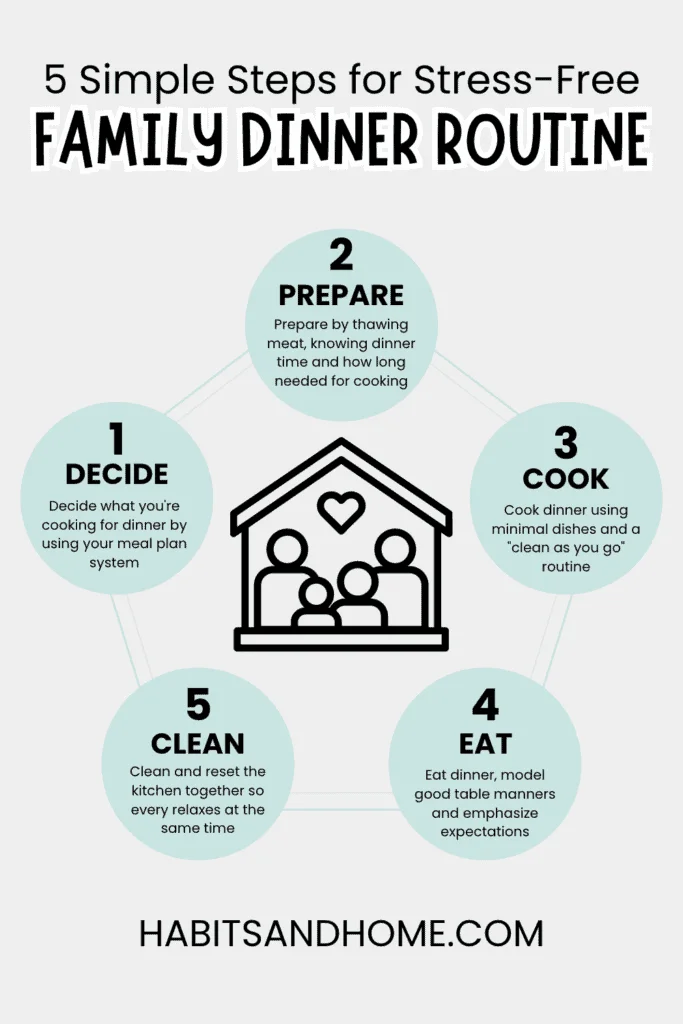
For example, Sarah, a busy professional, found herself overwhelmed by her sprawling recipe collection and a fridge cluttered with forgotten items. By shifting to minimalist meal planning, she limited her pantry staples and meal ideas, making dinner prep quicker and less stressful after long days at work.
Benefits of a Simple Kitchen Setup
A minimalist kitchen offers more than just aesthetic appeal. With fewer tools and ingredients to manage, cooking becomes faster and less intimidating. This setup encourages intentional shopping, reducing food waste and saving money in the long run. It also frees up mental space; instead of agonizing over “what’s for dinner,” you have a clear structure to follow.
For households like the Johnson family, adopting a simplified kitchen arrangement helped everyone pitch in more easily. With fewer steps involved, kids could grab snacks and help prepare meals, creating a relaxed atmosphere around food.
Step 1: Decluttering Your Kitchen Space
Categorizing Essential vs Non-Essential Items
Start by examining every drawer, cabinet, and shelf. Group items into “essentials” — those you use regularly and serve multiple purposes — and “non-essentials,” which might be specialty gadgets or rarely-used utensils. For example, if you only use your blender once a year for holiday smoothies, consider storing it elsewhere or donating it.
Decluttering often brings surprises. Marie discovered five spatulas and a dozen mismatched measuring cups before paring down to just one sturdy spatula and a complete set of measuring spoons that matched her cooking style.
How to Let Go of Unnecessary Tools and Appliances
Parting with kitchen items can be emotionally challenging. It helps to envision your ideal cooking routine — streamlined, efficient, and pleasant. If an appliance or tool doesn’t serve that vision, it might be time to part ways. Consider donating or gifting these items to friends who could use them.
One trick is to box up non-essentials and store them out of sight for a few weeks. If you don’t miss them, it’s a sign they can leave your kitchen permanently. This gradual process prevents hasty decisions and feels less daunting.
Step 2: Designing a Functional Minimalist Kitchen
Optimal Layouts for Easy Access and Efficiency
In minimalist meal planning, your kitchen layout must support swift movements and easy access to key items. Place frequently used appliances like your coffee maker or cutting board in reachable spots. Shelves or drawers should be organized so that you don’t have to hunt for essentials mid-cooking.
Consider Laura’s kitchen, where everything—from spices to pots—was arranged in zones based on tasks: prepping, cooking, and cleaning. This reduced her frantic searches during dinner prep, helping her feel more relaxed and in control.
Storage Solutions That Promote Simplicity
Storage plays a critical role in maintaining a minimalist kitchen. Transparent containers for dry goods such as rice, pasta, and beans keep your pantry neat and inventory visible. Drawer dividers and hooks can keep utensils orderly without overcrowding surfaces.
Using vertical space can also maximize storage, such as hanging pots or magnetic strips for knives. These methods keep counters clear and highlight only the most necessary items, reinforcing a clean and calm kitchen vibe.
Step 3: Crafting a Minimalist Meal Plan
Choosing Versatile Ingredients
A key to minimalist meal planning is selecting ingredients that can double or triple in recipes. Take chicken breasts: they can be grilled one day for salads, shredded for tacos the next, or cooked into a soup later in the week. Fresh vegetables like spinach can enhance smoothies, sautés, or pasta dishes.
By focusing on versatile ingredients, you avoid cluttering your fridge with items that only suit one recipe. This approach also reduces trips to the grocery store, saving time and stress.
Building a Weekly Menu with Fewer Ingredients
Developing your weekly menu around a handful of core ingredients simplifies shopping and cooking. For instance, a week might feature meals built around rice, canned beans, eggs, and seasonal vegetables. You don’t have to assign a meal to every day; instead, think of ingredients ready to be combined in flexible ways.
Using themes like “Meatless Monday” or “Taco Tuesday” can reduce decision fatigue and add structure without rigidity. Jessica, managing a busy household, found that planning in this way gave her freedom to adapt based on what was fresh or on sale.
Step 4: Cooking Techniques for Stress-Free Meals
Batch Cooking and Meal Prepping Tips
Batch cooking saves time on busy days by preparing multiple servings in one session. For example, making a large pot of chili on Sunday means lunches and dinners for several days, cutting down cooking stress during the week.
Marie’s approach involves chopping vegetables and cooking grains ahead of time, so assembling meals becomes a simple task. Keeping pre-portioned containers ready in the fridge supports quick, stress-free dining experiences.
One-Pot and Sheet Pan Recipes Explained
One-pot and sheet pan meals are perfect for minimalist kitchens because they reduce the number of dishes and the cleanup time. Roasting chicken and vegetables on a single sheet pan or simmering pasta with sauce in one pot means less fuss and more time to enjoy your meal.
These recipes are also versatile—swap proteins or vegetables based on what’s in season or on hand, keeping the process fresh while preserving simplicity.
Maintaining Your Minimalist Kitchen Lifestyle
Regular Kitchen Audits
Just like spin classes or regular check-ins, monthly kitchen audits help maintain order. Taking time to evaluate what items are no longer used, what ingredients expired, or if storage systems need tweaks prevents clutter from creeping back in.
John, who once struggled with kitchen mess, schedules these audits with his family, turning it into a quick group activity that reinforces their minimalist goals.
Adapting Meal Plans to Seasonal Changes
Seasons offer natural opportunities to refresh your minimalist meal planning. Summer markets overflow with fresh tomatoes and zucchini; autumn brings root vegetables and apples. Adjusting your ingredient list to align with seasonal availability keeps meals exciting without complicating efforts.
This adaptability also means you can plan for bi-weekly or monthly meals during busy periods, stocking up on seasonal staples that store well. Flexibility, combined with simplicity, ensures your kitchen remains a place of ease and inspiration year-round.