

















Understanding Your Current Dining Out Spending
Tracking Expenses Accurately
Before you can effectively reduce your dining out expenses, it’s essential to understand how much you currently spend. Begin by meticulously tracking every cent spent on eating out over the course of one or two months. This means not only restaurant meals but also coffee runs, takeout, and delivery charges. Use a notebook, spreadsheet, or a budgeting app to record these expenses daily. By compiling precise data, you create a clear picture of your baseline spending, which is critical for setting realistic goals and measuring your progress.
Identifying Patterns and Triggers
Once you have your spending data, look closely at the patterns. Are there specific days of the week or situations, like after work or on weekends, when you tend to dine out more frequently? Recognizing emotional or social triggers, such as stress, convenience, or social pressure, will help you understand why you spend as much as you do. This awareness is the first step toward consciously making better choices and breaking habits that lead to unnecessary expenses.
Practical Tips to Cut Down Dining Out Costs
Meal Planning and Preparation at Home
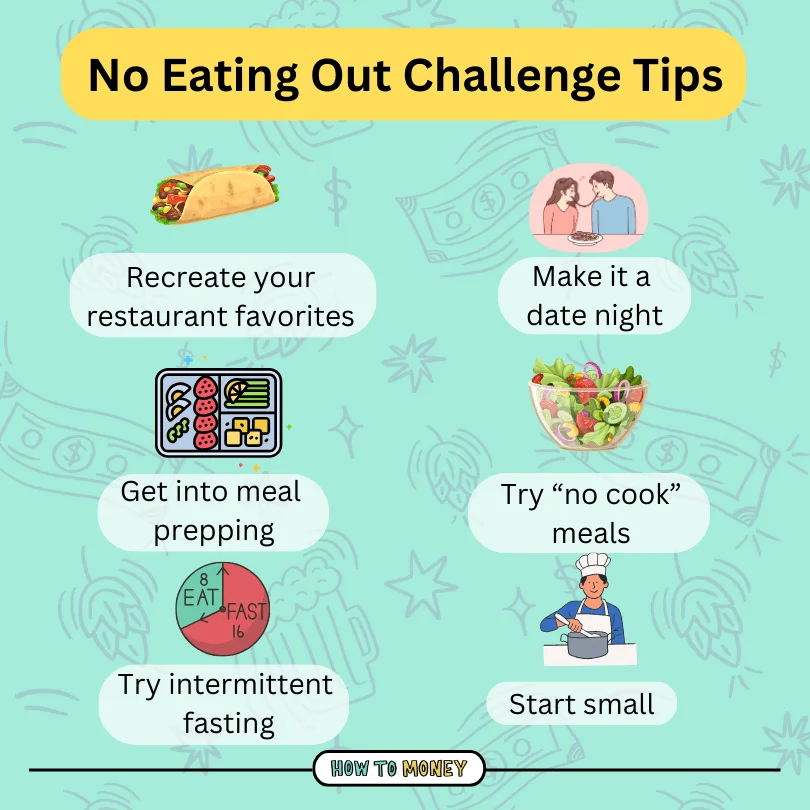
One of the most effective ways to cut dining out costs is to plan your meals at home. Start by using grocery store weekly ads to find discounts on ingredients, which not only saves money but also inspires varied meals. You don’t need to overhaul your cooking habits overnight. Begin small by preparing your lunch the night before or organizing snacks to avoid impulsive fast-food purchases. Over time, create freezer meals — batch cooking portions you can store and reheat quickly. This approach makes homemade meals just as convenient as dining out, reducing the temptation to spend extra.
Choosing Wisely When Dining Out

Cutting back doesn’t mean you have to eliminate dining out entirely. Instead, be strategic. Opt for casual eateries with reasonable prices or share dishes to minimize cost and waste. Avoid peak dining hours to take advantage of specials or smaller portions. Being mindful about choices, such as skipping appetizer rounds or drinks, can significantly lower your bill without feeling deprived.
Utilizing Discounts, Deals, and Loyalty Programs
Many restaurants and food services offer discounts or loyalty programs that can reduce your expenses. Sign up for newsletters or apps that notify you of promotions before you plan meals out. Loyalty points often accumulate faster than expected, providing free or discounted meals. These programs reward frequent customers but require discipline: use offers only when you intend to dine out to prevent unnecessary spending triggered by temptation.
Adopting Lifestyle Changes for Long-Term Savings
Cooking Skills to Replace Frequent Restaurant Meals
Developing basic cooking skills can shift your reliance away from dining out. Experiment with simple recipes that require minimal ingredients and prep time. Learning how to properly rinse canned goods, for example, removes unwanted preservatives, improving taste and health benefits. Mastering meal prep helps you feel more confident and less tempted by the convenience of restaurants. The more skills you acquire, the easier it becomes to prepare satisfying dishes quickly and economically.
Socializing Alternatives Without Dining Out
Eating out often serves as a social activity, so finding alternatives is crucial. Host potlucks or casual get-togethers at home where guests contribute dishes, enhancing social bonds without the price tag. Consider outdoor picnics or coffee meets instead of full meals at restaurants. Balancing the cultural and social value of dining out with your budget helps maintain relationships while fostering better spending habits.
Leveraging Technology for Smarter Spending
Apps for Budgeting and Expense Tracking
Technology can be a powerful ally in managing your dining expenses. Numerous apps allow you to track your spending in real time, set monthly budgets, and receive alerts when you approach your limits. These tools provide ongoing insight into your habits, making it easier to adjust behaviors promptly rather than waiting for monthly statements. Regular reviews using these apps can reinforce discipline and help celebrate small victories.
Finding Coupons and Cashback Offers
Beyond loyalty programs, coupon websites and cashback apps offer additional savings opportunities. Before ordering takeout or dining out, check for available discounts or deals online. Cashback offers on food delivery services can reduce the effective cost significantly. By integrating these tools into your routine, you cultivate more cost-conscious ordering habits without sacrificing convenience.
Case Studies: Real-Life Examples of Successful Expense Reduction
Family Budget Wins
A family of four decided to tackle their dining out expenses by first tracking all food-related spending for two months. They noticed frequent weekend takeout and impulse coffee shop visits. By introducing weekend meal prep and organizing snacks for busy weekdays, they cut takeout costs by 50%. Additionally, they subscribed to grocery store weekly ads, which helped plan meals around discounts. Over six months, the family redirected savings toward a weekend experience fund, balancing enjoyment and budget.
Single Professional’s Strategy
A single professional often ate lunch outside due to a busy work schedule, leading to high monthly expenses. To change this, they started preparing simple lunches the night before and used freezer meals for busy days. They also leveraged budgeting apps to monitor spending and made a habit of checking for restaurant deals before occasional dining out. By setting gradual savings goals and tracking progress, they reduced their dining out expenses by nearly 40% while maintaining an active social life.