






















Understanding the Importance of Morning Energy
The Link Between Mornings and Daily Productivity
The way you start your morning sets the tone for the rest of the day. Mornings often dictate your mindset, focus, and ability to complete tasks efficiently. When you have good energy early on, you’re more likely to stay motivated and productive through work, school, or personal projects. On the other hand, sluggish mornings can lead to procrastination and lower output. Recognizing this connection helps highlight why crafting a reliable morning routine is essential.
How Energy Levels Impact Overall Well-being
Beyond productivity, morning energy greatly affects your mood, stress tolerance, and cognitive function throughout the day. When energy dips, even simple decisions feel harder and your resilience to daily challenges weakens. Sustainable morning energy supports better emotional balance and can improve sleep quality at night. Therefore, maintaining steady vitality from the start contributes to holistic wellness, not just momentary alertness.
Foundations of a Sustainable Morning Routine
Defining Sustainability in Daily Habits
Sustainability in a morning routine means creating habits that are manageable, enjoyable, and realistic to maintain over time. It’s a balance between making meaningful changes and avoiding overwhelming demands on your energy or schedule. The goal is to build consistency through comfortable steps rather than dramatic shifts that may feel like sacrifices or lead to burnout. A sustainable routine becomes a natural part of your lifestyle rather than a short-term fix.
Key Elements to Include for Long-term Success
Core components of a sustainable morning routine include elements that nourish your body and mind, foster calmness, and promote movement. This means prioritizing hydration, balanced nutrition, gentle physical activity, and moments of mindfulness. Importantly, choosing practices that align with your tastes and timings encourages adherence. Small adjustments in these areas can accumulate into significant improvements in your morning energy.
Step-by-Step Guide to Building Your Routine
Waking Up Naturally: Tips for Gentle Alarm Strategies
Instead of abrupt alarms that jolt you awake, consider waking up with gradual light or sound. Using light therapy lamps can simulate natural sunlight, especially in darker seasons or early mornings, helping your brain recognize it is time to rise. Placing your phone away from the bedroom reduces early screen temptation, preventing dopamine spikes and scattered thoughts right after waking. This gentler transition sets a calm foundation.
Incorporating Mindfulness and Meditation
Starting your day with mindfulness, such as box breathing exercises or guided meditation apps, helps center your thoughts and reduce stress. Even a few minutes of focused breathing—inhale for four seconds, hold, exhale, and hold at four-second intervals—can shift your state to clarity and calmness. Using apps like Headspace or Insight Timer supports those new to meditation, making it easier to build this habit.
Hydration and Nutrition to Kickstart Metabolism
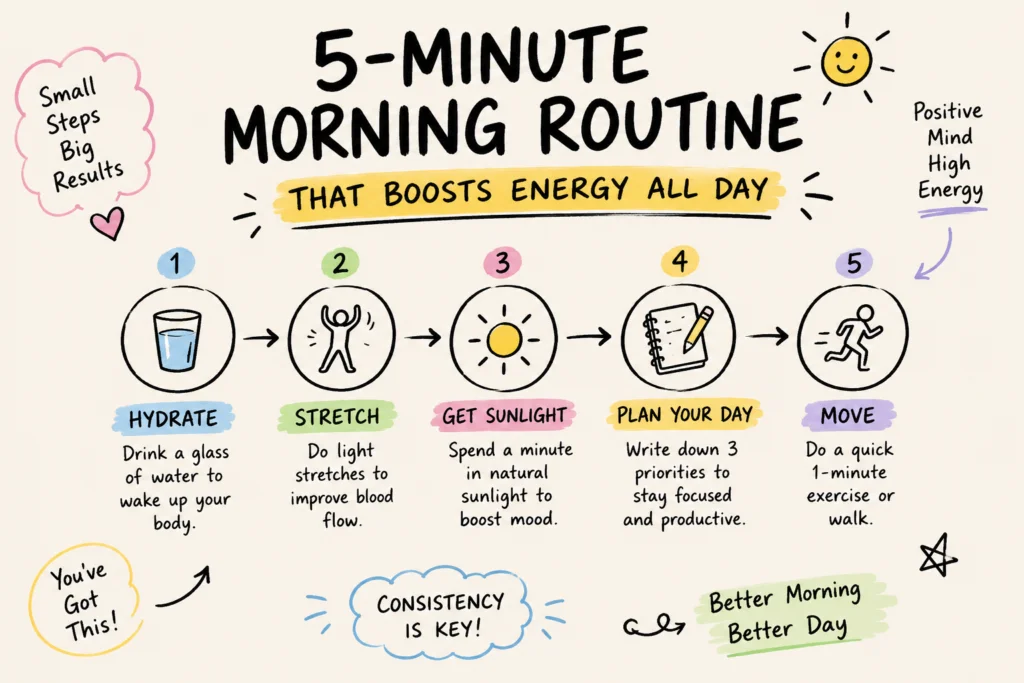
After waking, it’s important to hydrate first with water, possibly enhanced with a pinch of sea salt or a squeeze of lemon to replenish electrolytes. This prepares your body for digestion and energy production. When choosing breakfast, focus on easy, enjoyable options that combine protein, fiber, and healthy fats. Including foods like eggs, Greek yogurt, oats, quinoa, nuts, avocado, or whole-grain toast nourishes you without feeling like a chore. Planning these meals ahead of time ensures you don’t skip or resort to low-nutrient options on busy mornings.
Physical Activity: Choosing What Fits Your Lifestyle
Movement in the morning awakens the body and mind. This doesn’t mean strenuous exercise if that’s not your natural morning preference. Gentle movement like stretching, foam rolling the shoulders or spine, or a short walk outdoors can be enough. Using errands such as grocery shopping as motivation to get outside adds purpose. If morning walks are missed, aim to fit them in early during lunch breaks. Joining walking or hiking groups may boost motivation and social connection.
Adjusting Your Environment for Morning Success
Optimizing Bedroom Lighting and Temperature

The environment you wake up in greatly influences your alertness. Keeping your bedroom cool and dark at night promotes restful sleep, while gradually introducing light in the morning signals your body to prepare for activity. If natural light is limited, a light therapy lamp can supplement this. These adjustments create a cycle that supports waking up refreshed rather than groggy.
Preparing the Night Before: Setting Up for Ease
Preparing simple tasks the night before reduces morning decision fatigue. This might include laying out clothes, prepping breakfast ingredients, or writing down top priorities and a gratitude list using a paper planner or digital notes. Having these elements ready reduces rushed feelings and helps focus. A smooth start leads to more consistent energy and mood throughout the day.
Common Pitfalls and How to Avoid Them
Overcommitting and Burnout Risks
One common mistake is overloading the morning routine with too many new habits or intense activities, leading to frustration and early abandonment. It’s important to start small and build gradually to avoid burnout. For example, if you are not naturally active in the morning, do not force strenuous workouts right away. Instead, begin with light stretching or brief walks and adjust as your energy grows.
Managing Distractions and Staying Consistent
Another frequent issue is turning to caffeine immediately or checking the phone right after waking. Coffee on an empty stomach can worsen dehydration, and early screen time causes scattered thoughts and dopamine spikes that disrupt focus. Instead, focus on hydration first and create boundaries around device use. Consistency may be challenged by temptations and distractions, so setting physical and mental limits is key to staying on track.
Tracking Progress and Making Improvements
Using Journals and Apps to Monitor Energy Levels
Monitoring your morning energy improvements can increase motivation and identify what works best for you. Keeping a journal of sleep quality, mood, energy spikes, and what you eat helps recognize patterns. Alternatively, energy tracking apps provide insights that inform adjustments. Regular reflection supports continuous refinement of your routine.
When and How to Adapt Your Routine
As your lifestyle or seasons change, so should your routine. For example, using a light therapy lamp in winter but switching to natural light exposure in summer can maintain benefits. If certain foods or activities no longer feel satisfying or effective, try swapping them for alternatives that better suit your current needs. Flexibility ensures sustainability and continued support for daily energy.