



















Understanding the Importance of Deep Cleaning Bathroom Tiles
How Mold and Mildew Develop on Tiles
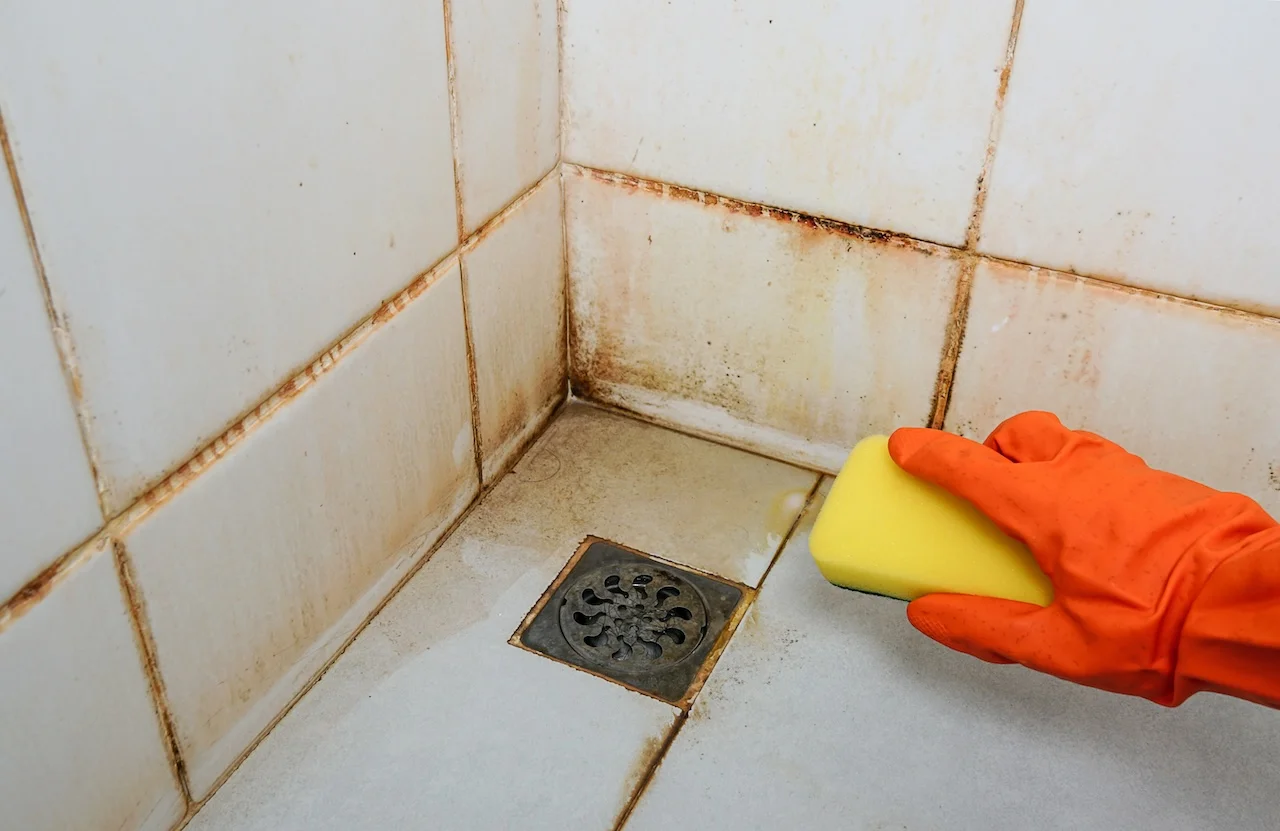
Mold and mildew commonly develop on bathroom tiles due to persistent moisture and poor ventilation. The bathroom environment, often damp and warm, creates an ideal breeding ground for spores to settle and grow. Soap scum, body oils, and dirt further contribute by providing nutrients that accelerate mold proliferation. Without proper cleaning, these microorganisms embed themselves into porous surfaces like grout, making removal more challenging over time.
Health and Aesthetic Impacts of Mold Growth
The presence of mold not only spoils the appearance of bathroom tiles but also poses health risks, especially to individuals with allergies, asthma, or compromised immune systems. Mold spores can cause respiratory irritation, skin reactions, and other allergic responses. Visually, mold and mildew leave unsightly black, green, or brown stains that diminish the bathroom’s cleanliness and overall appeal. Ignoring mold can lead to structural damage and costly repairs, highlighting the urgency of thorough and routine tile cleaning.
Essential Tools and Materials for Deep Cleaning
Choosing the Right Cleaners: Natural vs Chemical
One challenge in deep cleaning bathroom tiles is selecting an effective yet safe cleaner. Harsh chemical cleaners can damage delicate surfaces like natural stone or glazed ceramic tiles, causing dulling or etching. On the other hand, milder natural options such as white vinegar offer sufficient cleaning power for light stains and help reduce environmental impact. Using vinegar in a spray bottle allows controlled application, minimizing mess while effectively breaking down soap scum and mildew.
Must-Have Cleaning Tools for Effective Tile Maintenance
A successful deep clean depends on the right tools. Medium bristle brushes, especially grout-specific brushes or old toothbrushes, excel at removing stubborn dirt and mildew in grout lines. Soft microfiber cloths and squeegees help wipe and dry tile surfaces without scratching, preserving their finish. For textured or matte tiles, soft bristled brushes prevent abrasion while thoroughly eliminating grime. Additionally, a vacuum or soft broom with a floor-safe setting prevents damage while clearing loose debris prior to wet cleaning.
Step-by-Step Guide to Deep Cleaning Bathroom Tiles
Preparation: Protecting Surfaces and Yourself
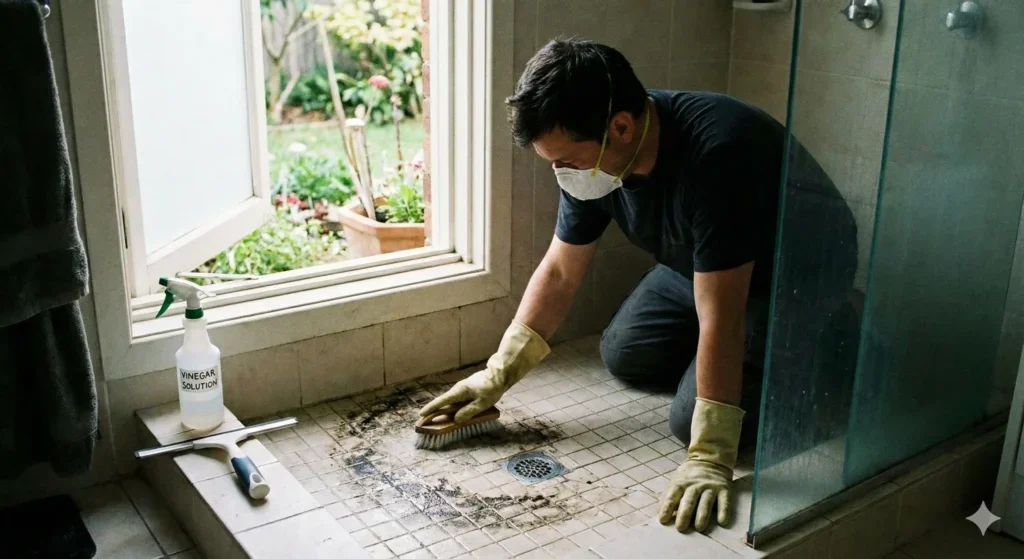
Before starting deep cleaning, it’s essential to prepare both the bathroom area and yourself properly. Remove personal items and ensure the floor is dry to prevent slips. Wear gloves to protect your hands from cleaners, even if using milder substances like vinegar. Cover surfaces not intended for cleaning to avoid damage from moisture or accidental splashes. Proper preparation minimizes risks and ensures cleaning is efficient and effective.
Cleaning Grout and Tile Surfaces Thoroughly
Begin by spraying your chosen cleaning solution evenly over the tile surfaces, focusing on grout lines where mold and dirt accumulate. Use the medium bristle brush to scrub gently in small circles, targeting grout stains promptly for better results. Avoid pressing hard to prevent damage, especially on delicate tiles. Pay special attention to corners, bottom edges, and areas with soap or shampoo buildup, as these spots are more prone to mold growth. Work methodically to lift dirt without abrasive scrubbing that could deteriorate the grout or tile finish.
Rinsing and Drying Techniques to Avoid Residue
After scrubbing, thoroughly rinse tiles with clean water to remove cleaning solution residue, which can attract dirt if left behind. Use a soft microfiber cloth to wipe excess water or a squeegee on glossy tile surfaces to ensure quick drying and prevent water spots. Proper drying is critical to avoid moisture retention that encourages mold development. Make sure to dry corners and grout lines meticulously to maintain a clean, dry surface that resists mildew buildup.
Preventative Measures to Stop Mold Growth
Maintaining Proper Bathroom Ventilation
One major cause of recurring mold problems is insufficient ventilation. Bathrooms must have adequate airflow to reduce humidity levels after showers or baths. Installing exhaust fans or using dehumidifiers can significantly lower moisture buildup. Opening windows or doors post-use facilitates drying, preventing the damp conditions mold needs to thrive. Consistent ventilation is a practical and effective way to limit mold growth long-term.
Regular Cleaning Schedule and Quick Spot Treatments
Deep cleaning alone is not enough; maintaining a consistent cleaning routine is crucial to prevent heavy grime and stains. Frequent light cleaning helps stop soil accumulation that leads to mold growth. Address any grout stains or mildew spots immediately to prevent them from setting in. Quick spot treatments with mild natural cleaners like vinegar help keep tiles fresh without applying harsh chemicals frequently. Scheduling cleaning sessions around 15 minutes each ensures manageable upkeep and keeps bathroom tiles looking their best.
Using Mold-Resistant Sealants and Grouts
Applying mold-resistant sealants and grout formulations plays a preventive role by creating a barrier that inhibits moisture penetration. Regularly sealing grout lines helps preserve their integrity, preventing deterioration that allows mold spores to lodge deeply. It is important to choose sealants compatible with your tile type to avoid damage and maintain aesthetic quality. These proactive measures reduce the chance of mold establishing itself even in humid bathroom environments.
Recognizing When Professional Help Is Needed
Signs of Severe Mold Infestation
Not all mold issues are resolvable through routine cleaning. Extensive mold growth spreading beyond tile surfaces, persistent musty odors, or visible damage such as discoloration and crumbling grout indicate severe infestation. If you experience respiratory symptoms or allergic reactions tied to bathroom mold, it is a clear warning sign. Rapidly worsening conditions also suggest the need for professional intervention to ensure safe and effective remediation.
What to Expect from Mold Remediation Services
Professional mold remediation involves comprehensive assessment and treatment tailored to the severity and type of mold present. Experienced technicians use specialized equipment and safe cleaning agents to eradicate mold growth and prevent recurrence. Transparent communication throughout the process ensures you understand each step, reducing stress. Reliable services prioritize timely work, respect your home, and deliver thorough restoration, making them essential when mold problems exceed DIY capabilities.