




















Introduction to Eco-Friendly Bathroom Cleaners
Understanding Soap Scum and Its Causes
Soap scum is a common issue in bathrooms, especially in showers, tubs, and sinks. It appears as a filmy residue that clings stubbornly to surfaces, resulting from the reaction between soap, hard water minerals, and oils from the skin. Over time, this build-up not only makes your bathroom look dirty but also fosters mold and mildew growth, which can be harmful to health. Many traditional bathroom cleaners target soap scum but often contain harsh chemicals that are harmful to both your home environment and the planet.
Why Choose Eco-Friendly Products?
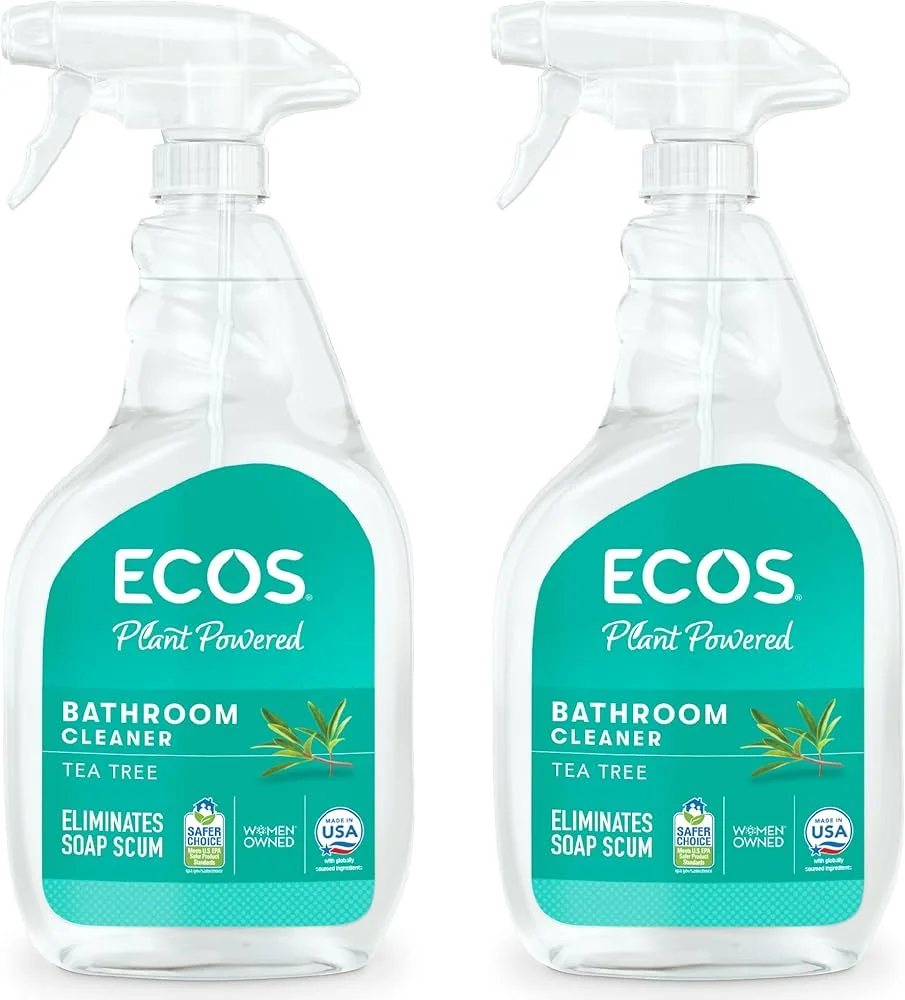
Choosing eco-friendly bathroom cleaners is increasingly important, as consumers become more aware of environmental impact. Conventional cleaning products include ingredients that can pollute waterways, contribute to toxic waste, and potentially cause allergic reactions or respiratory issues. Eco-friendly cleaners use biodegradable, plant-based, and non-toxic substances, reducing environmental harm while maintaining effective cleaning power. These products provide a safer option for families, especially those with children and pets, while supporting sustainable living.
Top Ingredients in Eco-Friendly Bathroom Cleaners
Natural Acids for Breaking Down Soap Scum
One core challenge in removing soap scum is dissolving its mineral-based composition. Natural acids like citric acid, vinegar (acetic acid), and lactic acid are effective because they break down the calcium and magnesium salts that cause soap scum. Unlike synthetic acids used in conventional cleaners, these acids degrade safely and do not leave harmful residues behind. Their mild yet powerful action ensures that surfaces are cleaned without damage or toxicity.
Plant-Based Surfactants and Their Benefits
Surfactants are essential in cleaning products because they help lift and remove dirt and oils. Eco-friendly cleaners rely on plant-derived surfactants such as those from coconut or corn. These ingredients are biodegradable and less irritating to skin and respiratory systems compared to petroleum-based surfactants. Moreover, plant-based surfactants preserve water quality since they break down quickly in natural environments.
Non-Toxic Additives for Safe Cleaning
Besides acids and surfactants, eco-friendly bathroom cleaners often contain non-toxic additives like essential oils for fragrance, enzymes to break down organic material, and natural preservatives. These components enhance effectiveness without introducing harmful chemicals. Importantly, avoid products with misleading “natural” or “green” labels that hide synthetic compounds. Instead, prioritize cleaners with transparent, simple ingredient lists emphasizing biodegradability and plant origins.
Review of Best Eco-Friendly Bathroom Cleaners
Product 1: Features and Effectiveness
This first product features a blend of citric acid and coconut-based surfactants, which together dissolve soap scum quickly and wipe away without leaving streaks. Its concentrated formula means less packaging and longer use, making it eco-friendly in both ingredients and waste reduction. Users frequently praise its ability to cut through tough build-up while being gentle on skin. However, some caution that adequate ventilation while using the product is important due to the natural acids.
Product 2: Environmentally Friendly Benefits
The second cleaner focuses on sustainability in packaging and ingredient sourcing. It employs refill pouches to minimize plastic waste and includes plant-based enzymes that actively digest soap scum residues. This approach reduces the need for harsh chemical disinfectants, preserving bathroom surfaces and indoor air quality. This product is ideal for eco-conscious consumers who want proven results but also want to support companies with responsible practices.
Product 3: User Experience and Safety
The third product stands out for its mild fragrance from naturally derived essential oils and non-irritant formula, making it suitable for sensitive households. Although it may require slightly more elbow grease on heavy soap scum, this cleaner excels in maintaining good indoor air quality and can be safely used daily. It emphasizes the difference between cleaning and disinfecting, advising users to save disinfectants for germ control and rely on this product for routine maintenance.
DIY Eco-Friendly Solutions for Soap Scum
Simple Recipes Using Household Ingredients
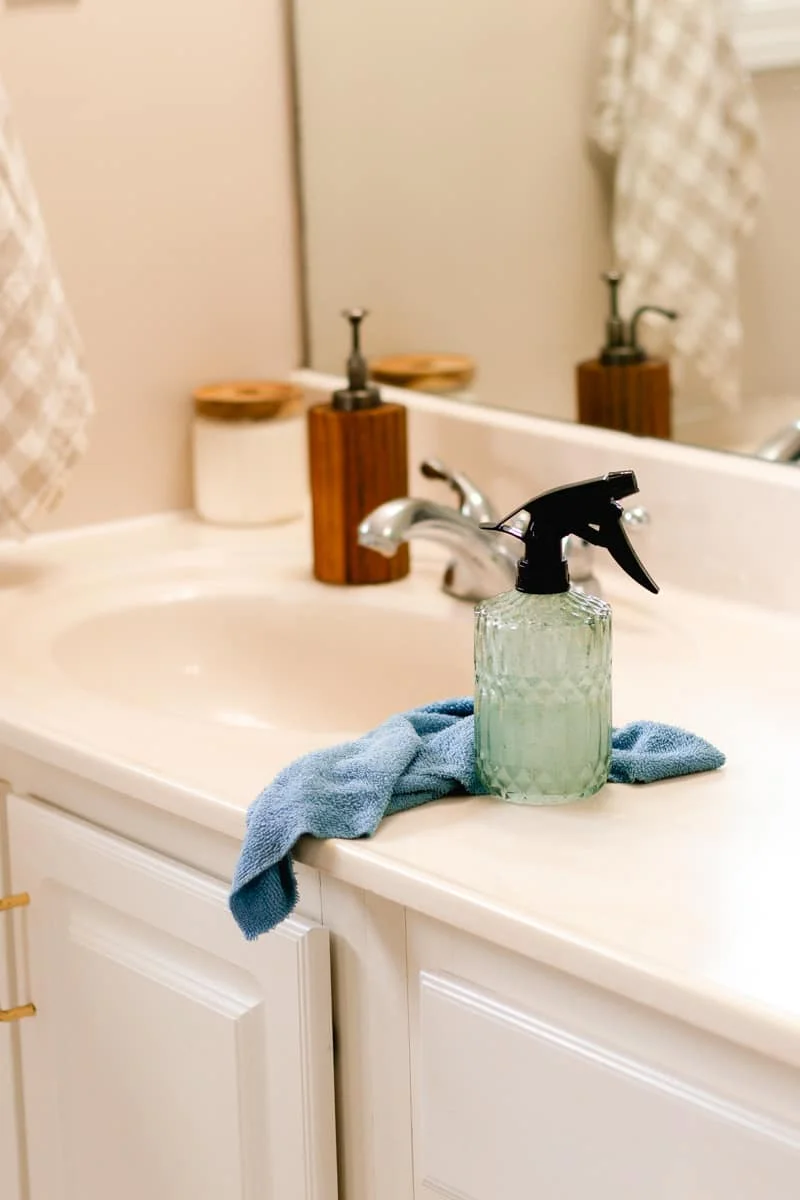
When soap scum build-up becomes a concern, crafting your own cleaner with household items can be a sustainable and cost-effective option. A popular recipe combines white vinegar and baking soda, creating a fizzing reaction that loosens mineral deposits. Mixing equal parts vinegar and water in a spray bottle offers a gentle, natural acid cleaner ideal for routine cleaning. Adding a few drops of lemon essential oil can enhance scent and increase acidity’s effectiveness. However, avoid mixing vinegar with bleach or other strong chemicals to prevent dangerous fumes.
Tips for Application and Efficiency
For best results with DIY cleaners, spray the solution directly on affected areas and allow it to sit for several minutes before scrubbing with a soft brush or sponge. Rinse thoroughly afterward to avoid residue that attracts new build-up. Ensure good ventilation to dissipate odors from vinegar or essential oils. Regular repetition prevents hard layers from settling, reducing the need for aggressive scrubbing later.
Maintenance Tips to Prevent Soap Scum Build-Up
Daily Habits for a Cleaner Bathroom
Preventing soap scum accumulation starts with simple daily habits. Rinsing surfaces with water after each use washes away soap and minerals before they harden. Wiping down shower walls and taps with a squeegee or microfiber cloth helps remove lingering moisture that facilitates residue formation. Investing in hard water softeners or using quality soap alternatives can also reduce the rate of soap scum production. These everyday steps diminish dirt and mold growth, meaning fewer harsh cleaners are needed.
Tools and Techniques to Use Alongside Cleaners
Using the right tools complements eco-friendly cleaners and enhances results. Soft-bristle brushes and non-abrasive sponges safely scrub soap scum without scratching surfaces. Avoid harsh scrapers that can damage tile or glass coatings. Applying cleaners with spray bottles ensures even distribution and reduces overuse. Additionally, consider ventilation improvements such as exhaust fans or open windows to limit moisture accumulation, which encourages soap scum and mold. Together, these strategies support a cleaner, safer bathroom environment with sustainable cleaning choices.