





















Understanding the Importance of Cleaning Your Shower Drain
Shower drains are often overlooked in household cleaning routines, yet they play a critical role in maintaining a functional bathroom. Neglecting the drain can lead to slow drainage, unpleasant odors, and even severe plumbing blockages. Deep cleaning your shower drain on a regular basis is essential to avoid these issues and ensure your bathroom stays hygienic and efficient.

Common Causes of Shower Drain Clogs
One of the primary reasons shower drains become clogged is the accumulation of hair, soap scum, and body oils. These substances stick together inside the pipes, gradually forming stubborn blockages. Additionally, dirt and small debris washed down the drain can exacerbate the problem over time. Mineral deposits from hard water further complicate the issue by narrowing the pipe diameter, making it easier for clogs to form.
How Regular Maintenance Prevents Plumbing Issues
Consistent maintenance prevents these clogs from developing into major blockages that require professional intervention. By routinely removing hair and debris and flushing the drain, you reduce the chances of buildup. Prevention is more cost-effective and less stressful than dealing with emergency plumbing repairs, underlining the importance of timely drain cleaning.
Essential Tools and Materials Needed for Deep Cleaning
Choosing the Right Cleaning Agents
Selecting appropriate cleaning agents is crucial for effective and safe drain maintenance. Natural options like baking soda combined with vinegar provide a chemical-free solution that breaks down organic material and deodorizes the drain. For tougher clogs, there are commercial drain cleaners available, but they should be used sparingly and with caution due to their harsh chemical content.
Tools to Make the Job Easier
Having the right tools simplifies the drain cleaning process considerably. A drain snake is particularly useful for extracting deep-seated hair and gunk that can’t be reached by hand. Additionally, common household items such as a wire hanger can serve as makeshift tools. A funnel is helpful when pouring boiling water to avoid splashing and ensure the heat reaches the clog effectively. Drain covers and strainers are preventive tools that catch hair and debris before they enter the pipes.
Step 1: Preparing Your Shower Area for Cleaning
Safety Precautions to Follow
Before starting the cleaning process, it’s important to take safety measures. Wear rubber gloves to protect your hands from grime and possible irritants. Ensure the bathroom floor is dry to prevent slipping, and ventilate the area especially if you plan to use chemical cleaners. Removing any personal items near the drain avoids contamination and makes the task easier.
Removing Drain Covers and Visible Debris
The next step involves carefully removing the drain cover, which often traps hair and soap scum. Depending on the type, unscrew or gently pry it off. Dispose of any visible hairballs and gunk collected on or beneath the cover. This initial cleanup reduces the burden on deeper cleaning steps and can immediately improve drainage.
Step 2: Manual Removal of Hair and Gunk
Techniques for Effective Debris Removal
Manual removal is the most direct way to tackle the primary clogging agents in shower drains. Using your hands or a pair of tweezers, reach into the drain to pull out hair and accumulated residue. To avoid pushing debris deeper, pull gently and steadily. This physical extraction significantly reduces the amount of material that needs to be dissolved chemically.
Using a Drain Snake or Wire Hanger
When debris is out of reach, a drain snake or a specially bent wire hanger can be inserted to grasp and drag out clogs. Rotate and wiggle the tool carefully around the drain walls to catch and pull out stubborn buildup. After extraction, run water to check if the passage is clear. This technique is especially helpful when hair tangles are the main cause of blockages.
Step 3: Applying Natural and Chemical Cleaners
DIY Homemade Cleaner Recipes
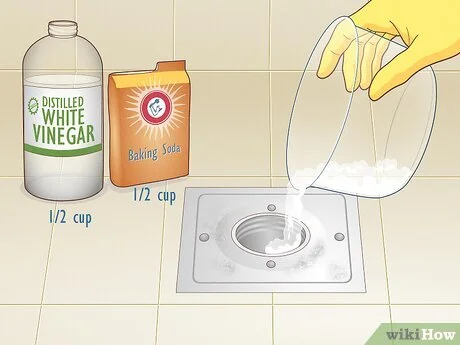
Natural cleaners like a mixture of baking soda and vinegar provide an effective solution without harsh chemicals. Pour half a cup of baking soda into the drain, followed by half a cup of vinegar. Immediately cover the drain to contain the reaction and allow it to sit for at least one hour. This process breaks down organic matter and neutralizes odors. Following this treatment with boiling water enhances its effectiveness.
When and How to Use Commercial Drain Cleaners Safely
Commercial drain cleaners can be helpful for persistent clogs that don’t respond to natural remedies. However, they contain strong chemicals that can damage pipes if overused or misapplied. Always read the manufacturer’s instructions carefully, use protective gloves and eye protection, and ensure the bathroom is well-ventilated. Avoid mixing different chemical cleaners as this can produce dangerous fumes.
Step 4: Flushing the Drain
Using Hot Water and Other Flushing Methods
Flushing the drain with hot water is a simple yet powerful method to clear out loosened debris. For smaller drains, using a funnel to direct boiling water ensures it reaches the clog effectively. It is recommended to repeat the boiling water treatment three times for maximum efficiency. Additionally, enzyme-based cleaners can be flushed down the drain; they naturally digest organic material and maintain clear pipes without harmful chemicals.
Benefits of Enzyme-Based Drain Cleaners
Enzyme-based cleaners offer a gentle alternative that works over time to prevent buildup. They are safe for all types of plumbing and environmentally friendly. Regular use helps sustain a free-flowing drain by breaking down hair, grease, and soap scum in the pipes before they accumulate to clogging levels.
Step 5: Final Inspection and Preventive Measures
Checking for Slow Drainage and Odors
After thorough cleaning and flushing, it’s important to observe the drain’s function. Run water and monitor how quickly it empties. Slow drainage indicates there may still be residual blockage requiring a repeat of some steps. Unpleasant odors signal organic buildup that should be treated immediately to maintain a fresh-smelling shower environment.
Tips to Keep Your Shower Drain Clean Long-Term
Preventive habits are key to avoiding frequent deep cleans. Installing a drain cover to catch hair and debris is a simple yet effective first step. Regularly cleaning this cover weekly keeps water flowing smoothly. Rinsing the drain periodically with hot water prevents buildup from forming. Scheduling routine plumbing maintenance helps detect early signs of blockage, allowing for prompt intervention before problems escalate.