






















Introduction to Mindfulness and Productivity
What is Mindfulness?
Mindfulness is the practice of being fully present and aware of the current moment without judgment. It involves paying deliberate attention to your thoughts, feelings, bodily sensations, and surroundings in a grounded and calm way. This simple yet profound approach helps reduce mental clutter and increase clarity, fostering a sense of calm and control throughout your day.
The Connection Between Mindfulness and Focus
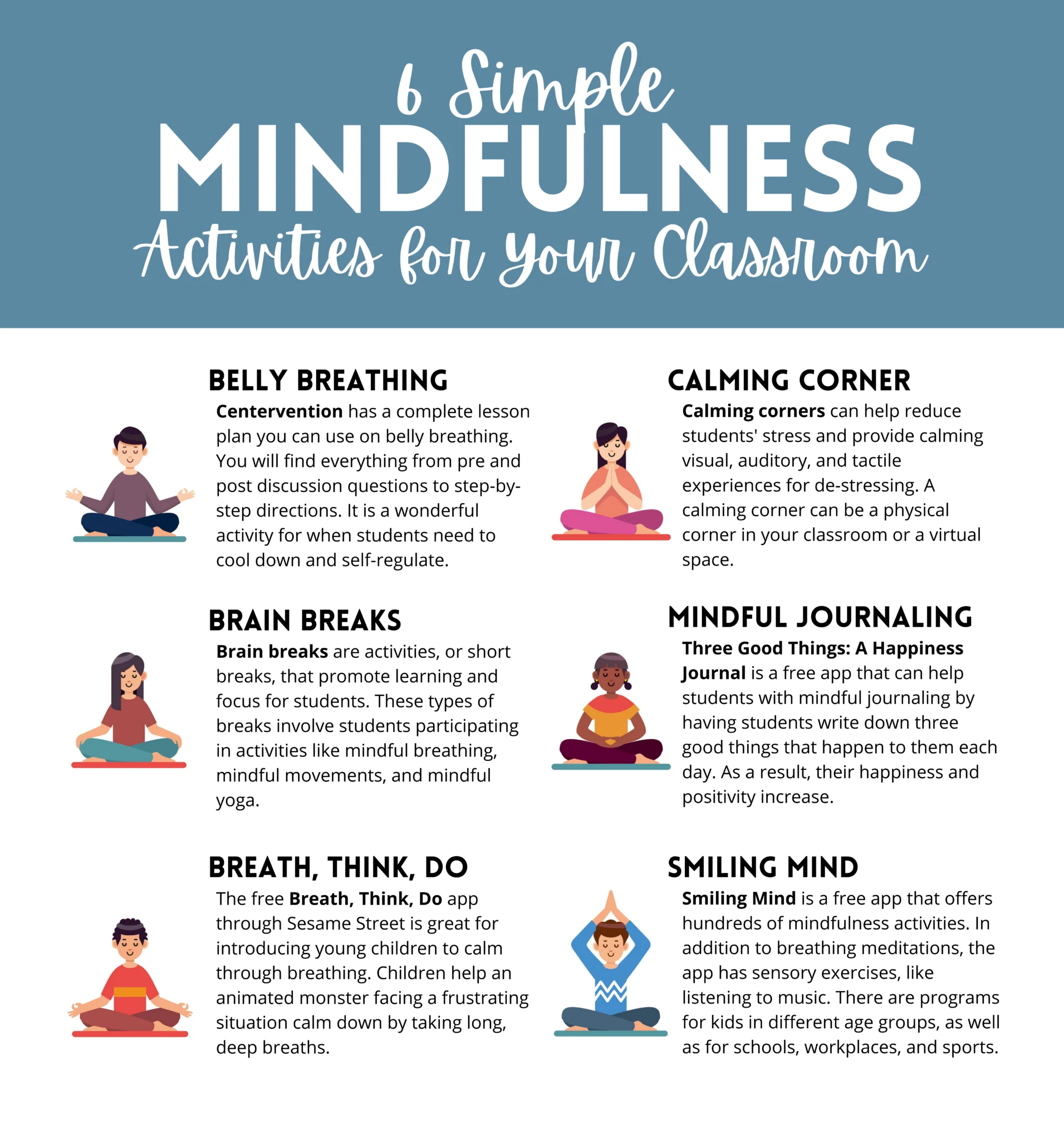
In today’s fast-paced world, distractions are constant, and maintaining focus can feel like a challenge. Mindfulness directly addresses this by training the brain to stay anchored in the moment, which improves concentration and mental endurance. When practiced regularly, mindfulness can boost productivity by helping you approach tasks with greater attention, reducing errors, and minimizing the fatigue that comes from multitasking and stress.
Everyday Mindfulness Techniques
Starting Your Day with Intent
Mornings set the tone for the rest of the day, yet many people rush through routine activities on autopilot. This hurried start diminishes focus and can fuel anxiety. By incorporating simple mindfulness habits like taking three deep, cleansing breaths before getting out of bed, you prime your mind for calm and alertness. Mindful stretching during morning routines, paying attention to the sensations in your muscles and breath, can further awaken both body and mind with intention rather than haste.
Mindful Breathing Exercises
Shallow or rapid breathing is often a symptom of stress, which hampers cognitive performance and concentration. Practicing mindful breathing, such as pausing every hour to take 10 deep, slow breaths, helps oxygenate the brain and reset your focus. Even small pauses to notice the breath during daily activities—like waiting at a red light or during meetings—can reduce tension in the jaw, neck, and shoulders, improving mental clarity and reducing fatigue.
Incorporating Mindfulness Into Work Routines
The Power of Single-Tasking
Multitasking is a common pitfall that fragments attention and diminishes productivity. Mindfulness encourages single-tasking—fully immersing yourself in one task at a time. This approach makes even simple activities meaningful, such as focusing intently on making your to-do list with pen and paper. Writing by hand, rather than using digital devices, strengthens mindfulness by engaging your senses and slowing the process, which helps your brain better absorb and organize information.
Short Mindful Breaks for Recharging
Long periods of uninterrupted work without movement or mental rest can drain both body and mind, leading to reduced productivity. Integrating short breaks during your workday with mindfulness practices is crucial. For example, taking five minutes to do a body scan meditation at the start or end of your workday, or practicing gentle yoga stretches like seated cat-cow or shoulder rolls, refreshes circulation and mental energy. These pauses also provide a mental reset, helping you return to tasks with renewed focus.
Mindfulness Tools and Apps to Enhance Focus
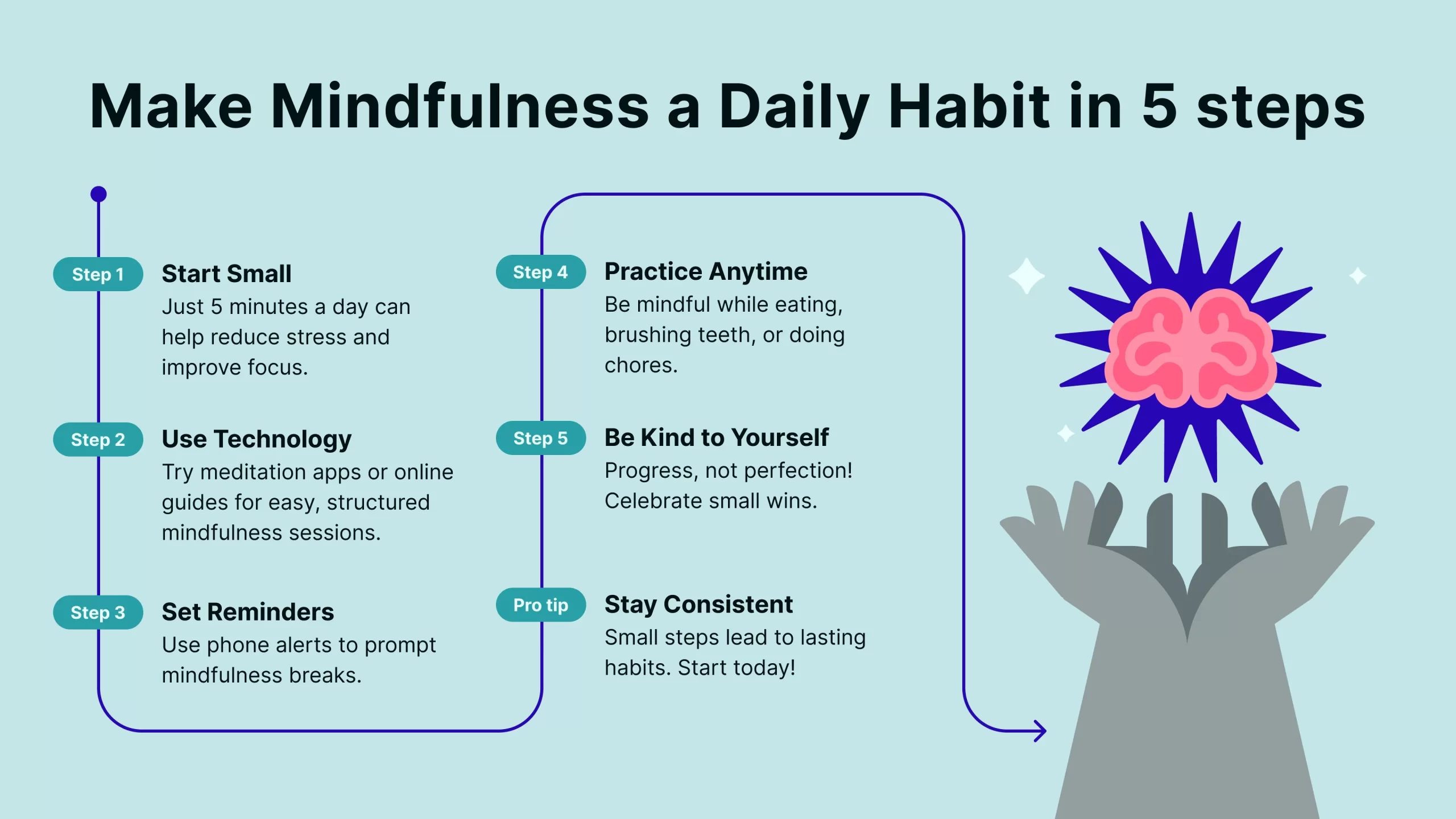
While mindfulness can be practiced without technology, several apps and tools offer structured guidance and reminders, making it easier to build consistent habits. These apps often include timers for breathing exercises, guided meditations, or gentle prompts to pause and check in with your body and mind throughout the day. However, it is important to use these tools as aids rather than dependencies, combining them with offline practices like mindful listening to music or savoring your tea or coffee slowly to ground your awareness in real-world sensations.
Overcoming Common Challenges in Mindfulness Practice
Distractions and How to Manage Them
Distractions are inevitable, especially with frequent notifications and tasks demanding your attention. The challenge is not avoiding distractions completely but learning to acknowledge them without judgment and gently refocusing your awareness. Rushing through daily tasks without mindfulness reinforces distraction, so slowing down and engaging fully with each moment, whether listening intently to the kettle or noticing the texture of your clothes, helps train the brain to stay present.
Staying Consistent with Mindfulness
Many people struggle to maintain mindfulness because they expect large time commitments or become discouraged by missed days. Starting with short, manageable practices—like three or four mindfulness triggers a day—and gradually adding more can help build sustainable habits. Avoid trying long meditation sessions too soon, as inconsistency often leads to giving up. Choosing small moments such as pausing at red lights to relax tension or setting aside 15 minutes for mindful meals can create a solid foundation for daily practice without feeling overwhelming.
Summary: Embracing Mindfulness for Daily Productivity
Mindfulness offers a practical, accessible way to enhance daily productivity and focus by fostering presence and reducing mental noise. Simple practices—starting your day with intention, mindful breathing, focusing on one task at a time, and taking regular mindful breaks—can transform how you approach work and life. Overcoming challenges like distractions and inconsistency requires patience and a shift in perspective toward valuing small moments of awareness. By embracing mindfulness, you gain a powerful tool to improve clarity, motivation, and problem-solving, paving the way for a more productive, focused, and balanced day.