






















Understanding Time-Blocking: A Busy Parent’s Tool for Success
What is Time-Blocking?
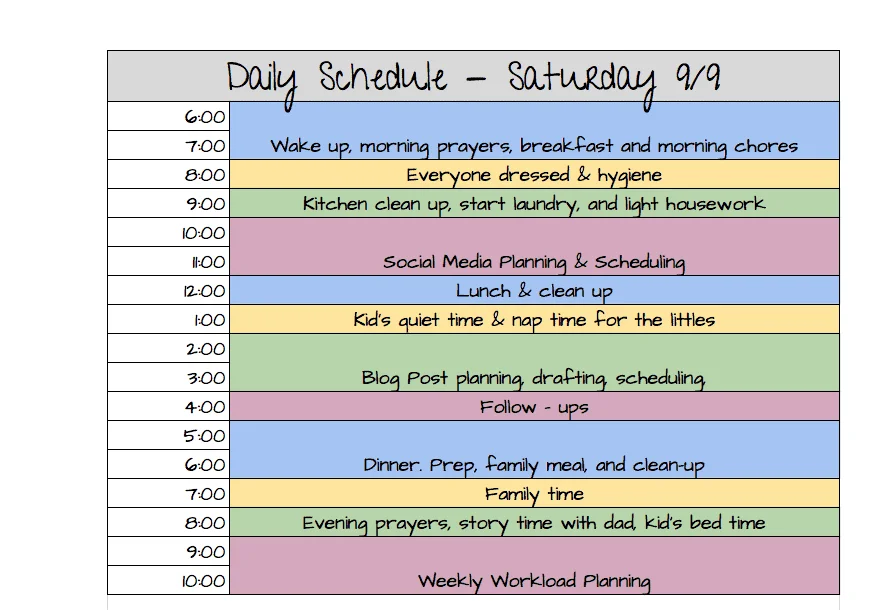
Time-blocking is a scheduling technique where you divide your day into dedicated segments, each assigned to a specific task or group of tasks. Instead of letting your day unfold in a chaotic way, time-blocking allows you to allocate focused periods for activities like work, family time, errands, and personal care. This method helps busy parents create a clearer structure in their hectic days, making it easier to tackle responsibilities without feeling overwhelmed.
Benefits for Busy Parents
For parents juggling multiple roles, time-blocking offers numerous advantages. It encourages better time awareness, helping you identify exactly when you can fit in essential duties. By dedicating blocks to priorities, it reduces the mental clutter caused by multitasking, increasing overall productivity. Moreover, structured time-blocks help make room for self-care and quality family interactions, so you don’t sacrifice your well-being amidst daily chaos. Ultimately, this technique promotes balance and reduces stress by making your schedule more predictable and manageable.
Preparation: Assessing Your Current Schedule
Identifying Time Wasters
Before creating your time-blocking schedule, it is important to analyze how you currently spend your time. Observe your daily routines and note any activities that consume more time than they should, such as excessive social media scrolling or unplanned distractions. Recognizing these time wasters creates awareness and allows you to consciously reduce or eliminate them. This step is crucial to ensure that your new schedule focuses on meaningful tasks instead of filling time with less productive habits.
Setting Priorities as a Parent
Once you are aware of time drains, prioritize what truly matters. Consider your children’s needs, personal goals, and household responsibilities. Establishing clear priorities helps guide which tasks deserve dedicated time-blocks and which can be delegated or postponed. For example, family meals or bedtime routines might be non-negotiable blocks, while administrative tasks could be grouped together or shifted. Solid priorities form the foundation of an effective and realistic time-blocking schedule.
Step 1: Gathering Your Tools and Resources
Choosing the Right Planner or App
Selecting an appropriate tool is essential for implementing time-blocking successfully. Some parents prefer physical planners where they can write and visualize their day, while others rely on digital apps that allow easy adjustments and reminders. Choose a planner or tool that fits your lifestyle and is accessible throughout the day—whether it’s a simple notebook or a smartphone app. The key is finding a system that encourages you to stick with your new scheduling habit.
Essential Materials for Scheduling
Besides a planner or app, gather other helpful materials like colored pens or stickers if you want to categorize blocks visually. Some parents find it useful to have task lists handy to help group activities within blocks effectively. Having these materials ready before you start lets you build your time-blocking schedule smoothly, without unnecessary distractions or searching for supplies mid-planning.
Step 2: Defining Your Time Blocks
Types of Blocks: Work, Family, Self-Care
Begin by determining the major categories of your day, such as work-related activities, family responsibilities, and self-care routines. For busy parents, balancing these crucial areas ensures a well-rounded schedule. You might allocate morning blocks to focused work or quiet time, family blocks for shared meals or play, and self-care slots for exercise or relaxation. Defining these categories helps create a clearer mental picture and prevents neglecting essential parts of life.
Allocating Time Realistically
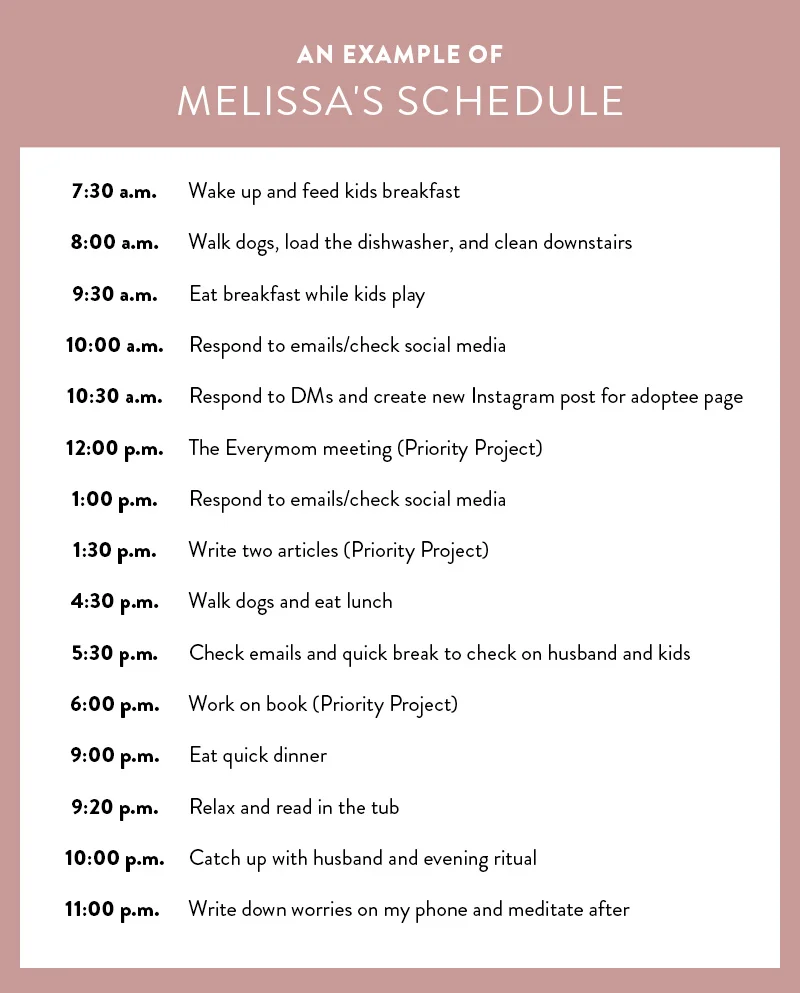
When assigning time blocks, be realistic about how long tasks actually take. Overestimating can lead to wasted time while underestimating creates stress. Begin with the tasks that weigh heaviest on your mind, as these often require more attention. Combine similar small tasks like meal planning, paying bills, and grocery list preparation into one block to maximize efficiency. It’s equally important to factor in buffer periods between blocks to accommodate slight overruns or unexpected interruptions.
Step 3: Creating Your Daily Time-Blocking Schedule
Morning Routine Blocks
Mornings often set the tone for the entire day, making them an ideal place to start time-blocking. Reserve this time for high-priority tasks and routines that prepare you mentally and physically. This may include quiet moments for Bible reading and journaling or essential cleaning tasks. By structuring the morning, you leverage the natural energy boost many parents experience early in the day and create momentum for what follows.
Afternoon and Evening Blocks
Afternoons and evenings tend to be more unpredictable, especially with children’s activities and family time. Plan flexible blocks for meal preparation, errands, and administrative work during these periods. Grouping related tasks helps reduce transition times and increases focus. Also, ensure the evening includes a dedicated block for quality family interactions and winding down. This structure balances productivity with meaningful connection, offering space for both duty and rest.
Step 4: Adjusting for Flexibility and Unexpected Events
Buffer Time Importance
No schedule can anticipate every surprise, especially in a busy household. That’s why including buffer times between time blocks is critical. These small periods act as cushions to absorb delays or handle interruptions without derailing your entire plan. Buffer times reduce frustration and help you stay on track even when unexpected events arise, preserving the overall flow of your day.
Handling Interruptions Gracefully
Interruptions are inevitable in parenting, whether a child needs attention or an urgent matter comes up. Instead of viewing these moments as schedule failures, approach them with flexibility. Use your buffer times to accommodate these pauses or allow yourself to shift lower-priority blocks to later. Maintaining a flexible mindset encourages patience and resilience, essential traits when implementing time-blocking in a dynamic family environment.
Step 5: Maintaining and Reviewing Your Schedule
Weekly Reflection and Tweaks
After practicing time-blocking for a week, take time to reflect on what worked and what didn’t. Notice if certain blocks need adjusting, such as longer durations or better timing within the day. This periodic review enables you to fine-tune the schedule, making it progressively more effective and aligned with your family’s rhythms. Consistency combined with adaptability leads to lasting success.
Long-Term Scheduling Tips for Busy Parents
As you maintain your schedule over time, consider seasonal or developmental changes in your family’s needs. For example, school holidays, new jobs, or toddler milestones can impact your priorities and available time. Make it a habit to revisit and update your blocks regularly, ensuring that your time-blocking schedule evolves along with your life. Keeping flexibility and self-compassion at the forefront supports sustainable organization.
Common Mistakes to Avoid in Time-Blocking
Overloading Your Schedule
One frequent pitfall is trying to fit too many tasks into tight blocks, leading to exhaustion and frustration. Avoid overloading your schedule by prioritizing only what’s essential and realistic for the day. Respect your limits to maintain motivation and prevent burnout.
Ignoring Self-Care Blocks
Another mistake is neglecting self-care when designing your time-blocking schedule. Rest, exercise, and personal downtime are not luxuries but vital components to sustain energy and mental health. Always include dedicated blocks for yourself to recharge, thereby improving your ability to care for your family and manage responsibilities effectively.