















Why Focus on Pollinators in Your Backyard Garden?
The Role of Pollinators in Ecosystems
Imagine waking up to a garden full of buzzing bees, fluttering butterflies, and hummingbirds darting among brightly colored flowers. These creatures do more than just bring life and movement—they play a critical role in the ecosystem by facilitating pollination. Pollinators transfer pollen from one flower to another, enabling plants to produce fruits and seeds. Without them, many plants would struggle to reproduce, leading to diminished biodiversity and fewer food sources for both humans and wildlife.
Benefits of Pollinator-Friendly Gardens for Plant Health
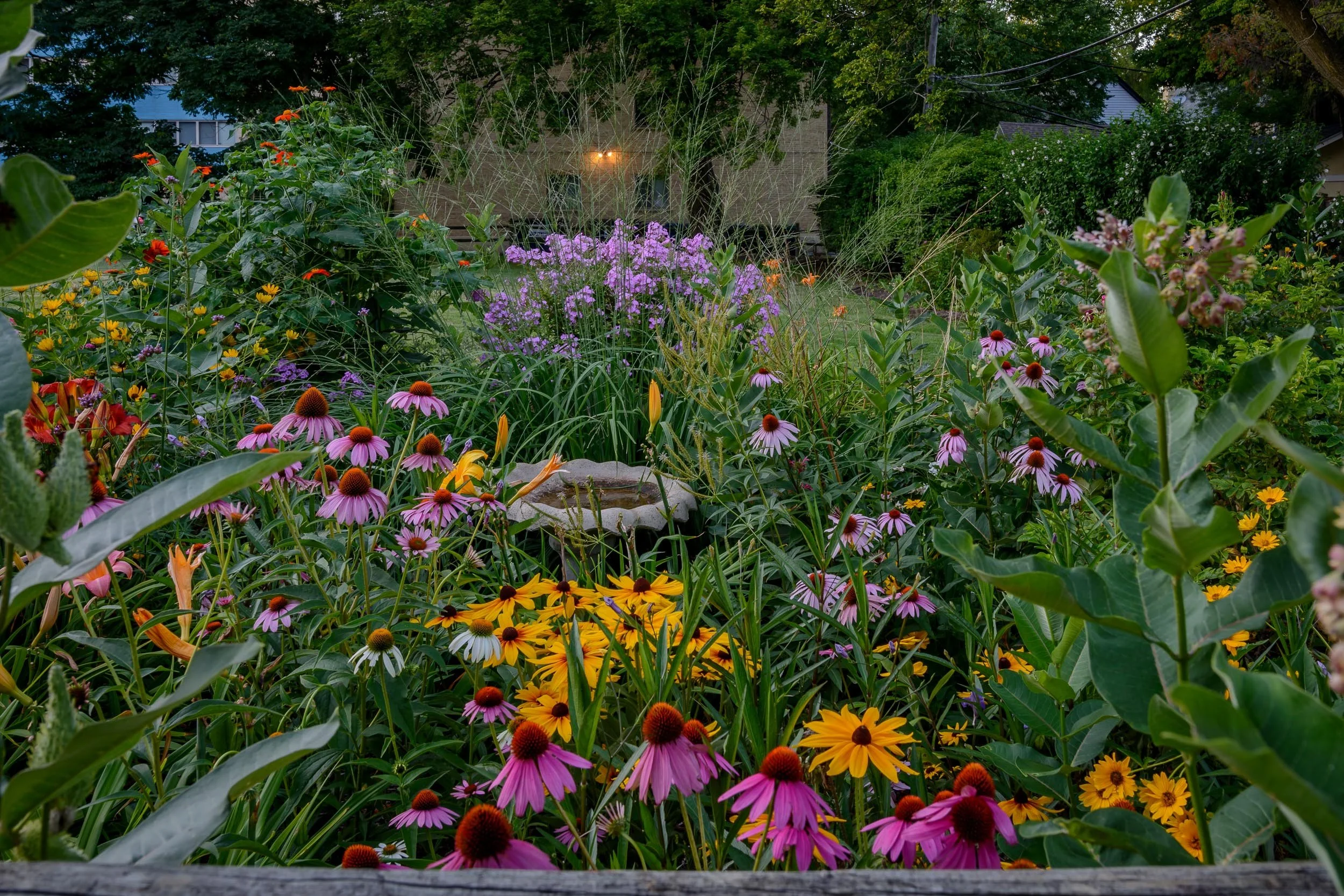
Creating a garden that attracts pollinators isn’t just about supporting nature; it has direct benefits for your plants as well. Pollinator visits increase the chances of successful fruiting and seed production. This means healthier, more vigorous plants with greater yields. For example, a neighbor’s garden, once plagued by poor tomato crops, saw a dramatic improvement after adding native flowering plants and milkweed—favorites of local bees and butterflies. The garden flourished, producing more vibrant blooms and abundant vegetables, simply because of the increased pollinator activity.
Planning Your Backyard Garden for Maximum Pollinator Appeal
Choosing the Right Location and Layout
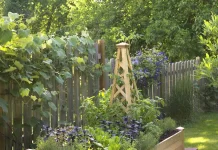
Choosing where to place your pollinator garden sets the stage for success. Pollinators generally prefer sunny or partially sunny spots shielded from harsh winds. When Sarah, an urban gardener, decided to revamp her backyard, she observed that the southern corner remained sunny most of the day and was naturally shielded by a fence. This spot became her garden’s heart. By carefully selecting a sheltered, sunlit location, Sarah was able to attract a wide variety of pollinators, ensuring her plants thrived.
Selecting Plants That Thrive and Attract Pollinators
Knowing your soil type helps in choosing plants that will survive and flourish. For instance, a sandy and well-drained area favors drought-tolerant species, while clay or wetter soils might require moisture-loving plants. Visiting a native plant nursery offers practical insight—local experts can recommend species that naturally attract regional pollinators and fit your soil conditions. When preparing the garden, tools that break up and aerate the soil make planting easier and healthier for roots. Whether planting seeds in the fall or transplanting small plants in spring, proper spacing and depth ensure optimal growth.
Design Principles for a Harmonious Garden
Pollinator gardens aren’t just functional; they can be stunning too. Designing flower beds with a “wow factor” draws both pollinators and human admiration. Using bright, luminous colors alongside aromatic flowers creates sensory appeal, while arranging plants in patterns adds visual interest. Including a mix of tall and low-growing plants ensures different pollinators find suitable perching and feeding spots. A well-thought layout will have blooms from early spring through fall, maintaining continual interest and nourishment for visiting insects and birds. This kind of design keeps the garden vibrant as the seasons change.
Essential Pollinator Species and Their Preferences
Bees: Types and Habits
Bees are the most familiar pollinators, ranging from large bumblebees to tiny solitary species. Unlike honeybees that live in hives, many native bees nest underground or in small cavities, making undisturbed soil or bee hotels vital for their survival. Bees prefer flowers with open shapes or clustered blooms like asters, coneflowers, or lavender, which provide easy access to nectar and pollen. Understanding these habits enables gardeners to tailor their plant choices to meet the needs of various bee species.
Butterflies and Their Favorite Flowers
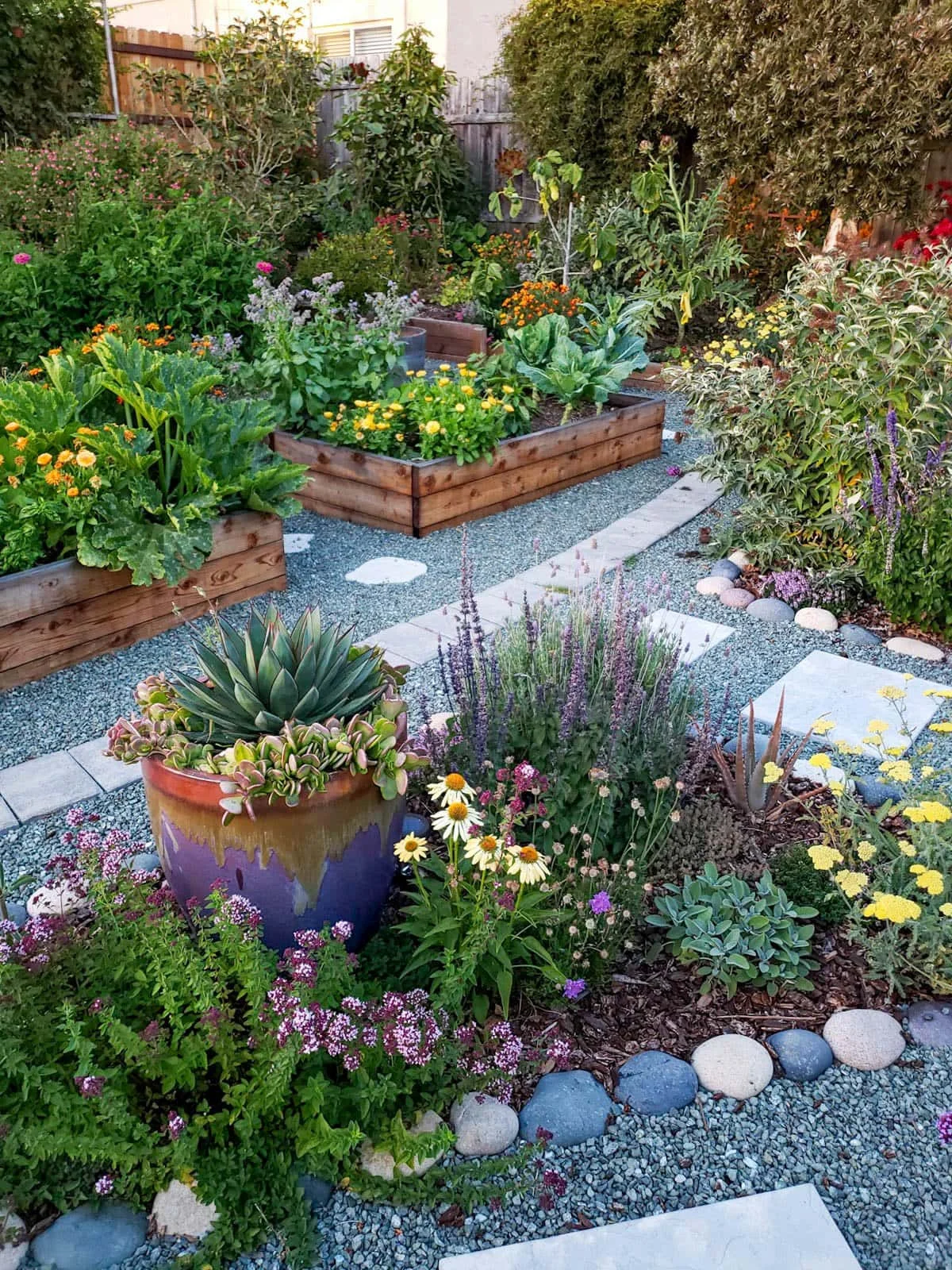
Butterflies add grace and color to any garden. They are attracted to flowers rich in nectar and often favor those with flat landing surfaces such as asters, milkweed, and butterfly bush. Milkweed, in particular, serves double duty by providing a crucial host plant for monarch butterfly caterpillars, although gardeners should be patient—it can take a couple of seasons for milkweed to bloom profusely. Integrating such plants supports both adult butterflies and their offspring, ensuring a thriving population.
Additional Pollinators: Hummingbirds, Moths, and Beetles
Beyond bees and butterflies, other pollinators contribute to garden vitality. Hummingbirds seek tubular, bright red or orange flowers, and providing a mix of heights in your planting scheme offers them easy access. Moths, often active at dusk, are attracted to pale or white flowers with strong fragrances. Beetles favor larger, bowl-shaped flowers and play a role especially in pollinating native wildflowers. Considering these diverse visitors when selecting plants creates a balanced ecosystem and boosts pollination reliability.
Plant Selection Strategies to Support Pollinator Diversity
Native vs. Non-Native Plants: What Works Best?
While exotic plants can add variety, native plants have the edge when attracting local pollinators. These plants evolved alongside native insects and birds, providing the exact nutrients and flower structures they require. For example, a garden in the Midwest flourished when the owner switched from ornamental daisies to native purple coneflowers and black-eyed Susans recommended by a local nursery. The influx of bees, butterflies, and even hummingbirds was immediate and sustained.
Seasonal Planting to Provide Year-Round Resources
Pollinator gardens are most effective when they offer flowers in succession throughout the growing season. Mixing annuals that bloom early with perennials that flower later ensures continuous food availability, preventing pollinators from struggling during dearth periods. Planning and sketching the garden layout can help visualize bloom times and fill gaps strategically. This attentiveness keeps your garden buzzing and vibrant from spring through autumn.
Combining Colors, Shapes, and Bloom Times
Color influences pollinator visits. Bees are drawn to blue, purple, and yellow, while butterflies prefer reds and pinks. Incorporating a variety of flower shapes—from tubular to flat-topped—accommodates different species’ feeding habits. Thoughtful combinations create a dynamic and attractive environment, not just for pollinators but for gardeners and visitors. These design choices energize the landscape, making each garden visit a rewarding experience.
Garden Maintenance Tips for Healthy Plants and Happy Pollinators
Reducing Pesticide Use and Choosing Organic Alternatives
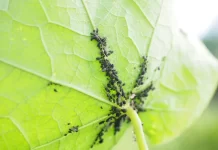
Common pesticides can harm beneficial pollinators, even when applied carefully. Switching to organic pest control methods protects these vital creatures while keeping plants healthy. For example, using neem oil or inviting predatory insects like ladybugs can manage pests naturally. Relaxing maintenance routines to accommodate pollinator needs means fewer chemical interventions and fosters a balanced garden ecosystem.
Watering Techniques That Support Both Plants and Pollinators
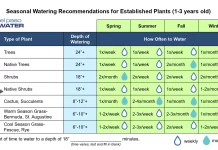
Watering early in the day allows plants to absorb moisture efficiently and reduces fungal risks. Providing shallow water sources such as birdbaths with pebbles or creating mud puddles benefits pollinators, especially solitary bees that gather mud for nesting. Regular watering helps keep blooms fresh and nectar flowing, encouraging repeat visits from pollinators.
Soil Health and Fertilizers for Sustainable Growth
Healthy soil underpins a thriving garden. Breaking soil with gardening tools before planting improves aeration and drainage. Incorporating organic matter like compost enhances fertility and moisture retention. Avoiding synthetic fertilizers that may harm soil microbes ensures plants grow strong naturally, producing abundant flowers that entice pollinators over the long term.
Creating Additional Habitats for Pollinators
Building Bee Hotels and Shelter Areas
Beyond plants, providing shelter is key to supporting pollinator populations. Bee hotels made from bundled hollow stems or drilled wood blocks offer nesting sites to solitary bees. Additionally, leaving some areas with bare soil or decaying wood creates natural habitats. These shelters protect pollinators from harsh weather and predators, encouraging them to stay within your garden year-round.
Providing Water Sources and Mud Puddles
Pollinators also need access to clean water. Strategically placing shallow water bowls and maintaining damp patches or mud puddles gives insects necessary hydration and materials for nest building. Seasoned gardeners often observe increased pollinator activity near these water spots, underscoring their importance in garden design.
Measuring the Impact: Tracking Pollinator Visits and Plant Health
Simple Observation Methods
Tracking pollinator visits can be as simple as spending a few minutes daily observing and noting which species appear and when. Noticing patterns like peak activity times or favorite flowers helps fine-tune garden management. For instance, one gardener found that adding more purple flowers doubled butterfly visits within weeks, a discovery made through careful observation.
Using Garden Journals and Apps for Data Collection
Maintaining a garden journal or using smartphone apps designed for citizen science projects can provide deeper insights. Documenting bloom times, weather conditions, and pollinator species creates a valuable record that tracks garden health season over season. This approach turns gardening into an ongoing learning experience, allowing adjustments that enhance both plant vitality and pollinator satisfaction.