






















Understanding Sleep Quality and Its Importance
What Constitutes Good Sleep?
Good sleep means more than just the number of hours spent in bed. It involves uninterrupted rest that allows the body and mind to rejuvenate. Quality sleep includes falling asleep within a reasonable time, maintaining a deep and restorative state, and waking up feeling refreshed. These factors contribute to improved mood, focus, and overall health.
Common Causes of Poor Sleep Quality
Poor sleep often results from lifestyle choices and environmental factors. Inconsistent sleep schedules, consuming stimulants close to bedtime, and exposure to screens can interfere with natural sleep patterns. Stress and anxiety also play significant roles, making it harder to fall and stay asleep. Understanding these causes helps in adopting effective changes.
Simple Evening Rituals to Enhance Sleep
Establishing a Consistent Bedtime Routine
Going to bed and waking up at the same time every day, including weekends, stabilizes your body’s internal clock. This consistency promotes better sleep onset and improves overall restfulness. Setting aside no more than eight hours for sleep helps create a balanced sleep window without overstaying in bed.
Relaxation Techniques for Better Sleep
Evening relaxation reduces the buildup of stress that disturbs sleep. Techniques like meditation can ease anxiety and prepare the mind for rest. Simple breathing exercises or gentle stretching can also signal the body to wind down, fostering a smoother transition into sleep.
Create a Sleep-Friendly Environment
Optimizing Bedroom Temperature and Lighting
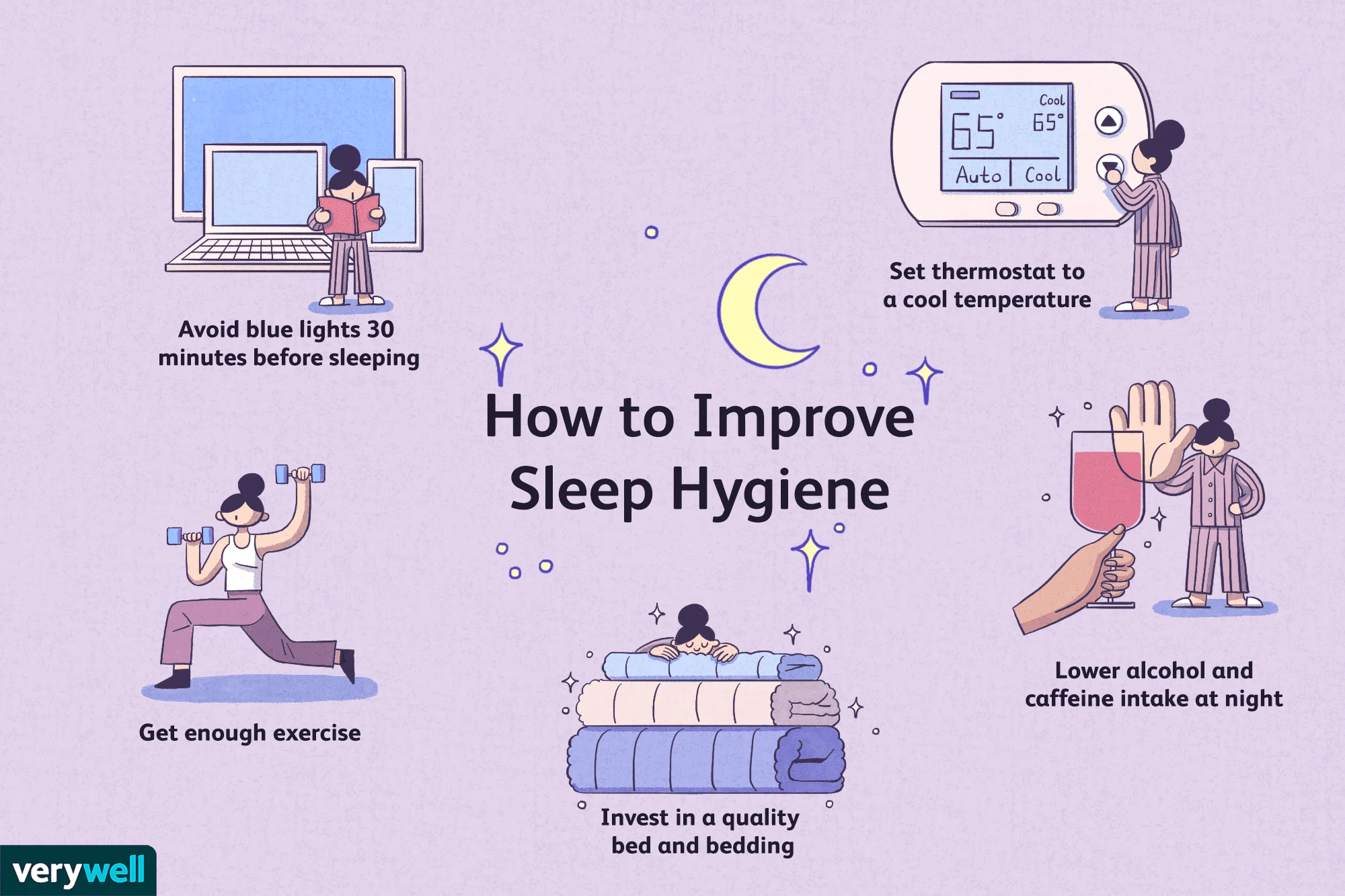
Low light conditions are essential for signaling the brain that it’s time to sleep. Using room-darkening shades blocks external light effectively. Maintaining a cool, comfortable temperature supports the body’s natural cooling process during sleep, promoting deeper rest.
The Role of Sound and Aroma in Sleep
Sounds can either disrupt or enhance sleep quality. Fans or white noise machines mask sudden noises, creating a consistent auditory backdrop. Some scents, like lavender, are believed to aid relaxation and may improve sleep ambiance, making the bedroom a more inviting resting place.
Daily Lifestyle Adjustments That Promote Restful Nights
Impact of Diet and Hydration on Sleep
Avoiding heavy meals just before bedtime prevents discomfort that can interrupt rest. Similarly, steering clear of nicotine, caffeine, and alcohol close to sleep time supports natural sleep cycles. Staying hydrated is important, but limiting fluid intake before bed reduces nighttime awakenings.
Physical Activity Timing and Its Effects
Regular exercise boosts sleep quality, but timing matters. Engaging in physical activity earlier in the day helps the body wind down naturally by bedtime. Strenuous workouts close to sleep hours may elevate alertness and delay falling asleep.
Leveraging Natural Remedies to Support Sleep
Herbal Teas and Supplements to Consider
Some herbal teas, such as chamomile or valerian root, are popular choices to promote relaxation in the evening. While these remedies offer comfort, individual responses vary. It’s best to explore natural options carefully without relying on them as the sole solution.
Mindfulness and Meditation Practices
Mindfulness meditation cultivates awareness and reduces racing thoughts that hinder sleep. Practicing meditation regularly can create a mental state conducive to restful sleep, helping to break cycles of anxiety related to bedtime.
Tracking Your Sleep Progress
Using Sleep Journals and Apps
Keeping a sleep journal or using tracking apps provides insight into sleep patterns. Noting bedtime, wake time, and sleep difficulties helps identify habits that improve or worsen rest. These tools support informed adjustments for better sleep quality.
When to Seek Professional Help
Persistent sleep problems should not be ignored. If difficulties continue despite lifestyle changes, consulting with a sleep specialist or healthcare provider is beneficial. Professional guidance helps uncover underlying issues and promotes long-term sleep health.